We are building houses of many kinds around here, one of which is our own. In between trips out to Lamjung, I’ve been slowly setting up our new office. We’re moving from a one-room office to a four-room office, and anybody who knows me will know that I can labor for weeks or months over small decisions, and filling up a new space requires an infinite amount of decision-making. It took me three weeks to choose carpet, and then the people who came to lay down the carpet did a really bad job, cutting jagged lines and making a mess of it. I had the store send them back and then stood there while they cut everything in straight lines. As they left we were chatting, and I asked them not to take it too hard. Americans, you know?
If I’m honest, my obsession over our new office setup isn’t just about an neurotic issue with straight lines. These walls are going to be ours for some time to come, I hope, and a home where we chase a vision of some kind. And after over a decade of sharing spaces – from dressers to offices – there is a part of me that feels the slightly daunting emptiness and possibility of this unfinished office. The prospect that it will be a space I designed, and that when we walk in, it will feel like it has something of me in it. I realize this is pretty indulgent, but the compulsion is real.
Anyone who’s ever worked with a contractor knows that anyone in any country can obsess endlessly over both important and insignificant issues of build, and contractors can correspondingly obsess not enough over these things. But I do feel confident saying that Nepal takes certain aspects of haphazard interior design to a new level. The kind of care people put in to their planting, or their outfits when taking a photo, or cooking, or weaving mats, just doesn’t get put in to home decoration. Modern housing in Nepal is quite compatible with leaky faucets and doors that don’t quite fit their frames and paint assortments of ecstatic colors that overlap lazily from one feature to the next. So for better or worse, I’ve begun to lord over each poor unlucky soul who comes here to put something together, just to make sure our work space doesn’t become an accumulation of unloved creations.
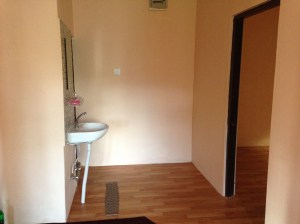 So it’s not exactly going fast, but it’s going.
One funny quirk of our new space is this sink outside the bathroom, which is just hanging out in full view of the rest of the office. Someone suggested that I get a local bamboo artisan to create a simple screen to put here, so that people coming out of the bathroom would have some privacy while using the sink.
So last week I asked Shiva to go to Mahendrapul with me and stop in at one of the bamboo furniture places. He pulled his bike over at the first one we happened to see, where there was a young man named Umesh.
Off all the things we need to set up in the office, the bathroom screen isn’t the one I was most concerned about. But when I set about explaining what we needed, Umesh began leading me around his shop to examine various handmade bamboo chairs and tables and hangers, cataloging designs I liked. He was extremely attentive and enthusiastic, and as our conversation went on, he couldn’t help himself from admitting that he’d opened his shop just two weeks ago, after fifteen years of working for someone else.
“I told them, I can make anything,” he said, looking like he’d been bursting to tell somebody this. “My hands are full of skills. I said, ‘Why are you keeping me down here?’ And I left and opened this shop.”
Being the choosy perfectionist that I am, I could easily have told Umesh thank you very much and moved on to the next place so he could get his new business going with a less high-maintenance customer. He quoted me $90 for the screen – as expensive as one of our desks, three times as much as the chairs he sells. Very enterprising, I thought. Good on ya.
Instead of going to the next shop, I went with Umesh to our office so he could look at the extraneous bathroom sink area himself. And after all the discussing we’d done, I waved my hands and said, “Ok, the main thing is it has to be opaque from here to here. Other than that, do whatever you think will look nice. Make it your own style–a ‘By Umesh’ bathroom screen.”
“I’m going to make you a beautiful screen,” Umesh proclaimed. “This is a very new idea – it will be first of its kind in Nepal.”
Four days later he called to tell me it was ready. He put in in a taxi at his own cost and brought it to our office, and when I arrived to meet him, he was already standing in the road with the screen next to him, trying to hold his smile in.
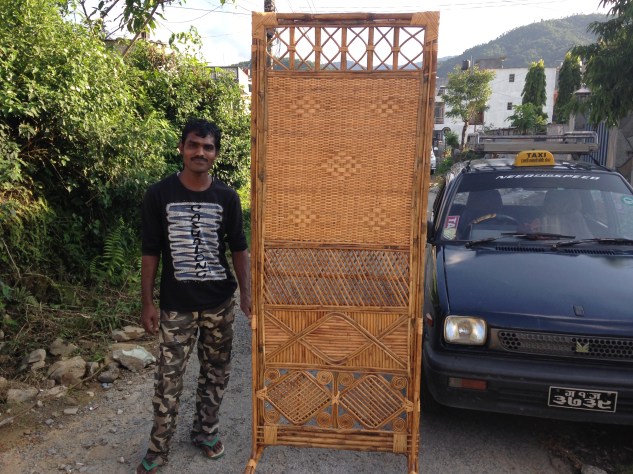
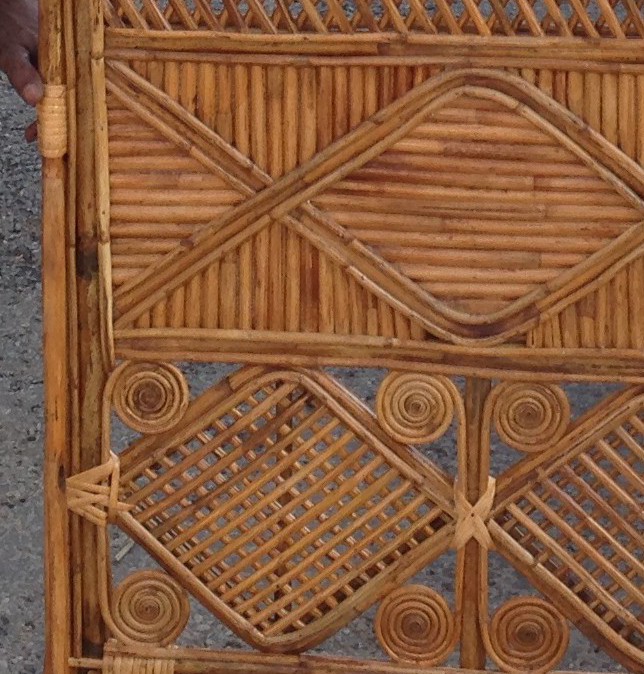
This exquisite bamboo sink screen is no doubt my single favorite thing in our new office. It is absolutely gorgeous and in the U.S. would sell for a few hundred dollars. It has the charming quality of being made from bamboo during a period of months where I’ve been, oddly enough, spending inordinate amounts of time in the hot sun encouraging and supporting the creation of bamboo homes in post-earthquake Nepal. But most importantly, it was created with a great deal of pride and love. One side is bent a little, the natural curvature of the bamboo, a perfect imperfection. What started off as a temporary wall to enclose a bathroom became this magnificent piece of artwork. And as we were all discussing later, you should have some things that you keep around just because they are beautiful.
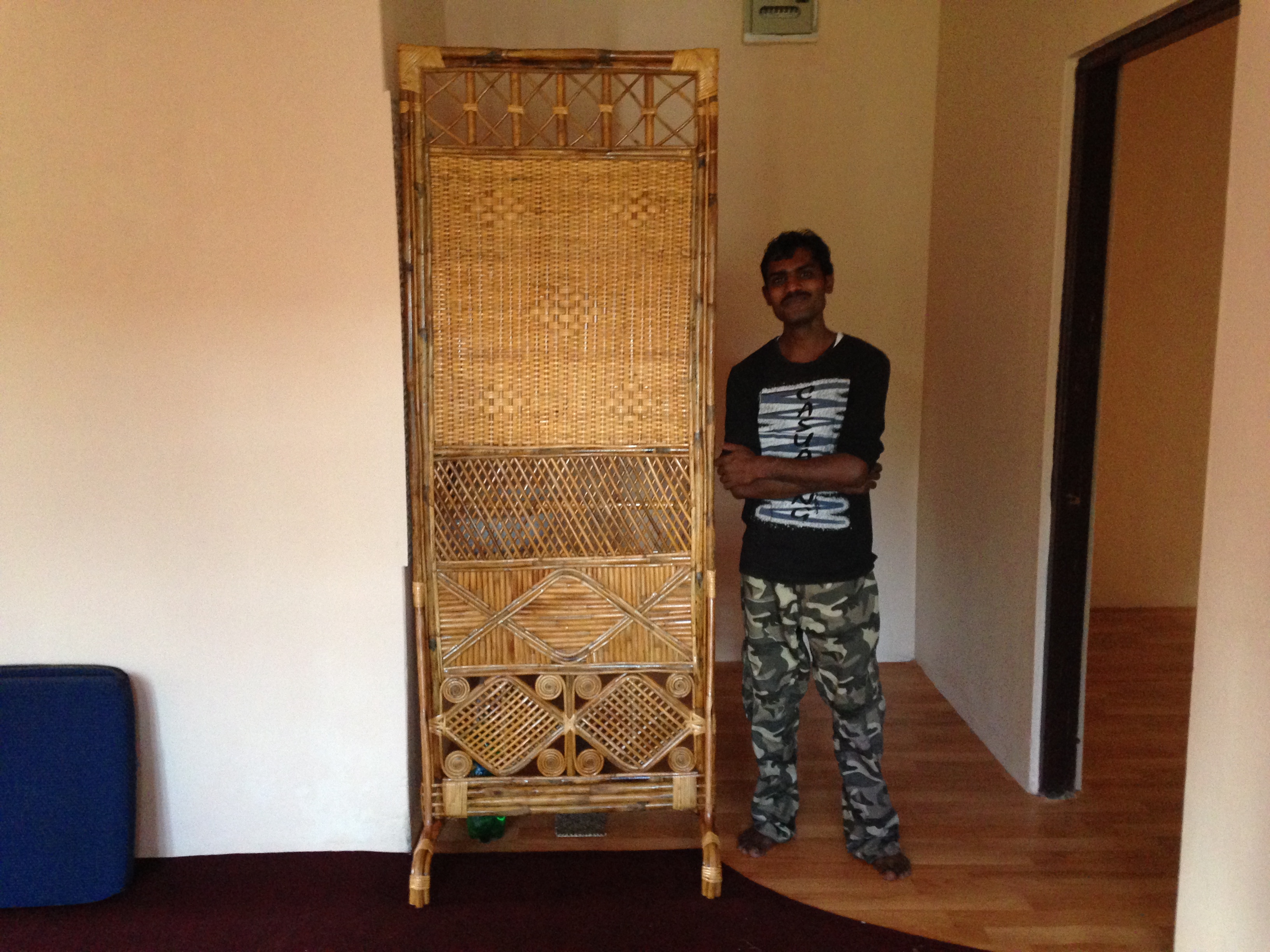
Before Umesh left, he couldn’t help admitting another thing, which was that, actually, I’d been his very first customer. I said he was our very first artisian in our first professional office, and that I expected his career was going to go quite well.
“I’m never going to forget you,” he said as he left. And I said, “I’m pretty sure I won’t forget you either.”
. . .
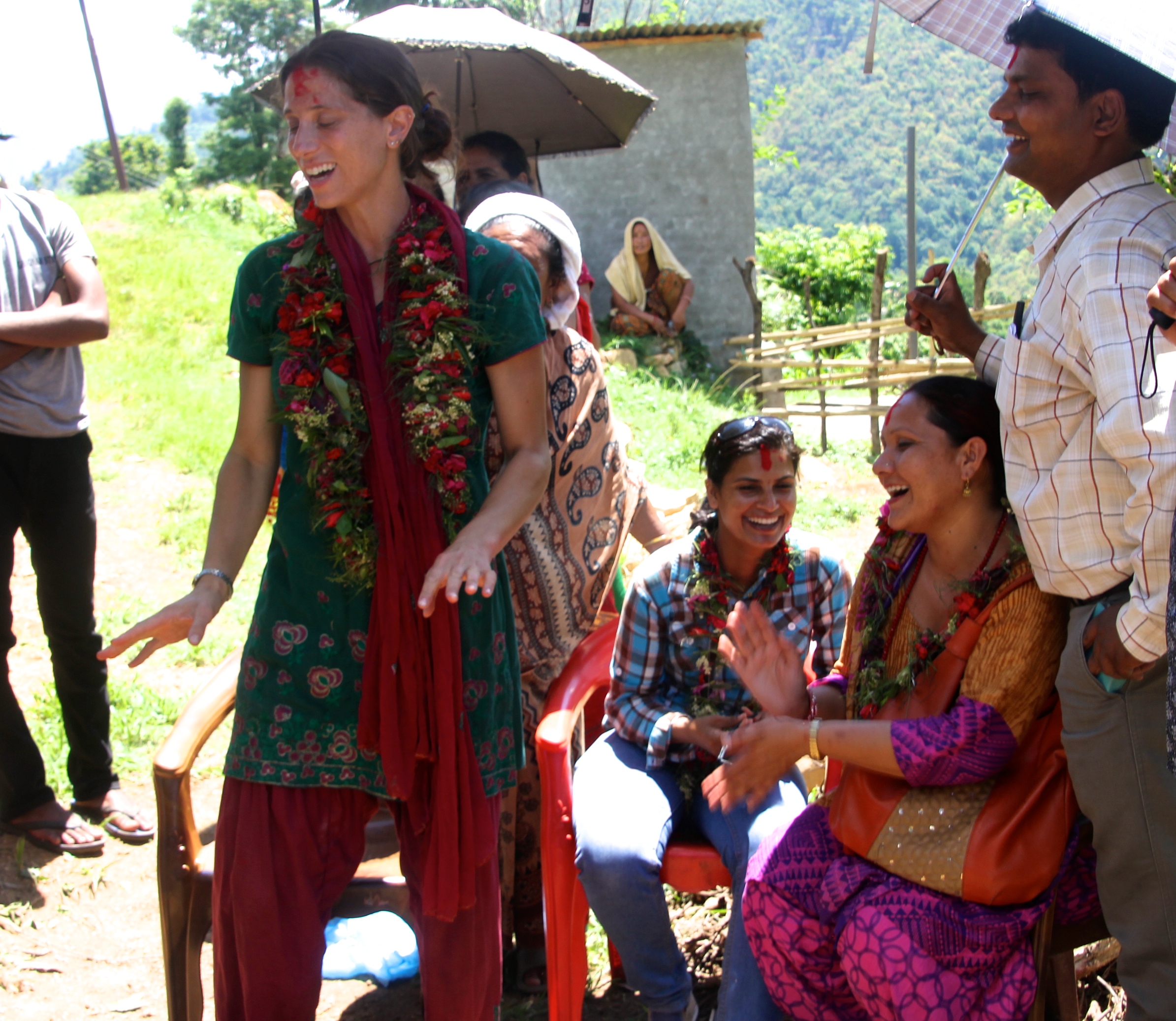



 We had a few special deliveries as well – cash relief for
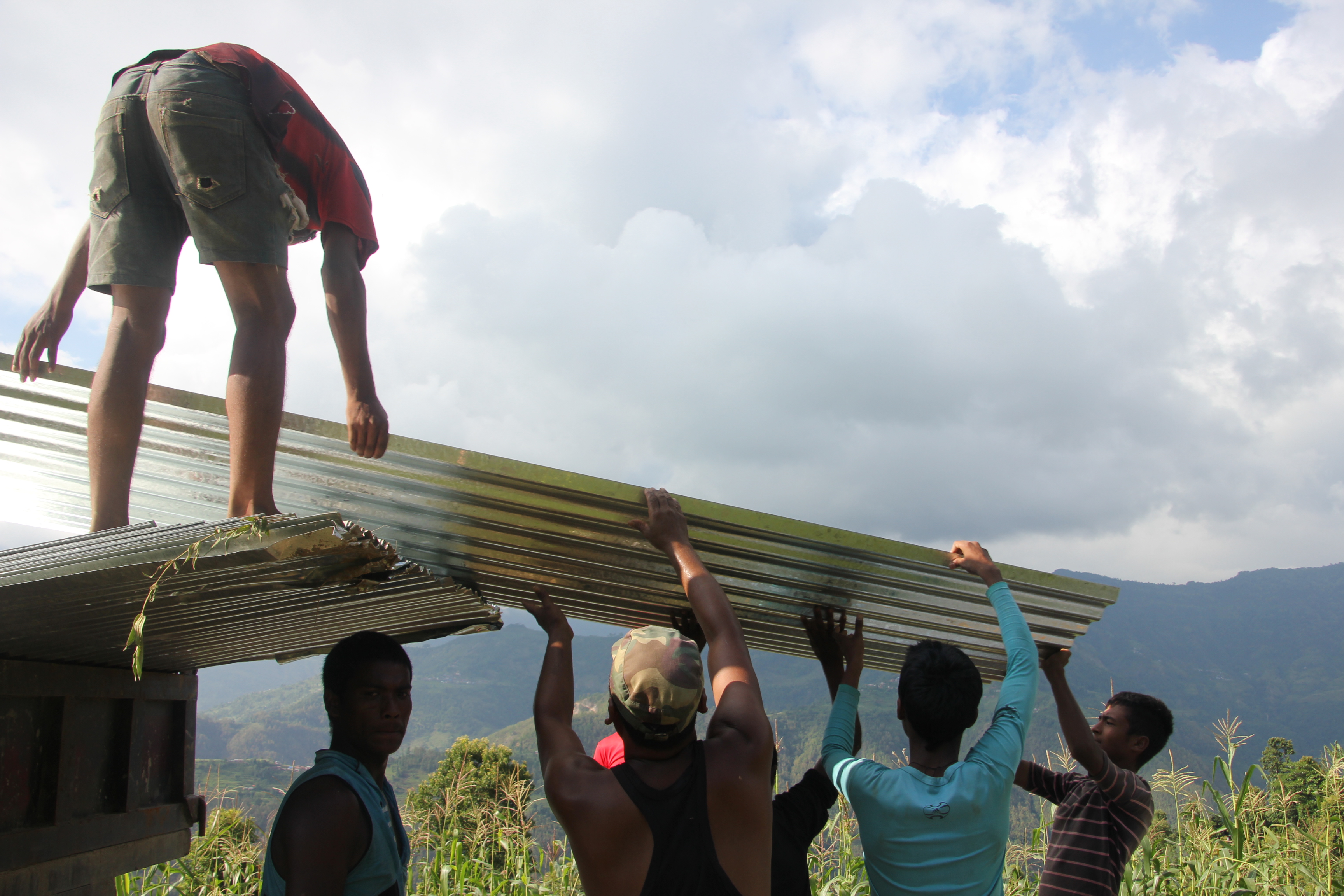
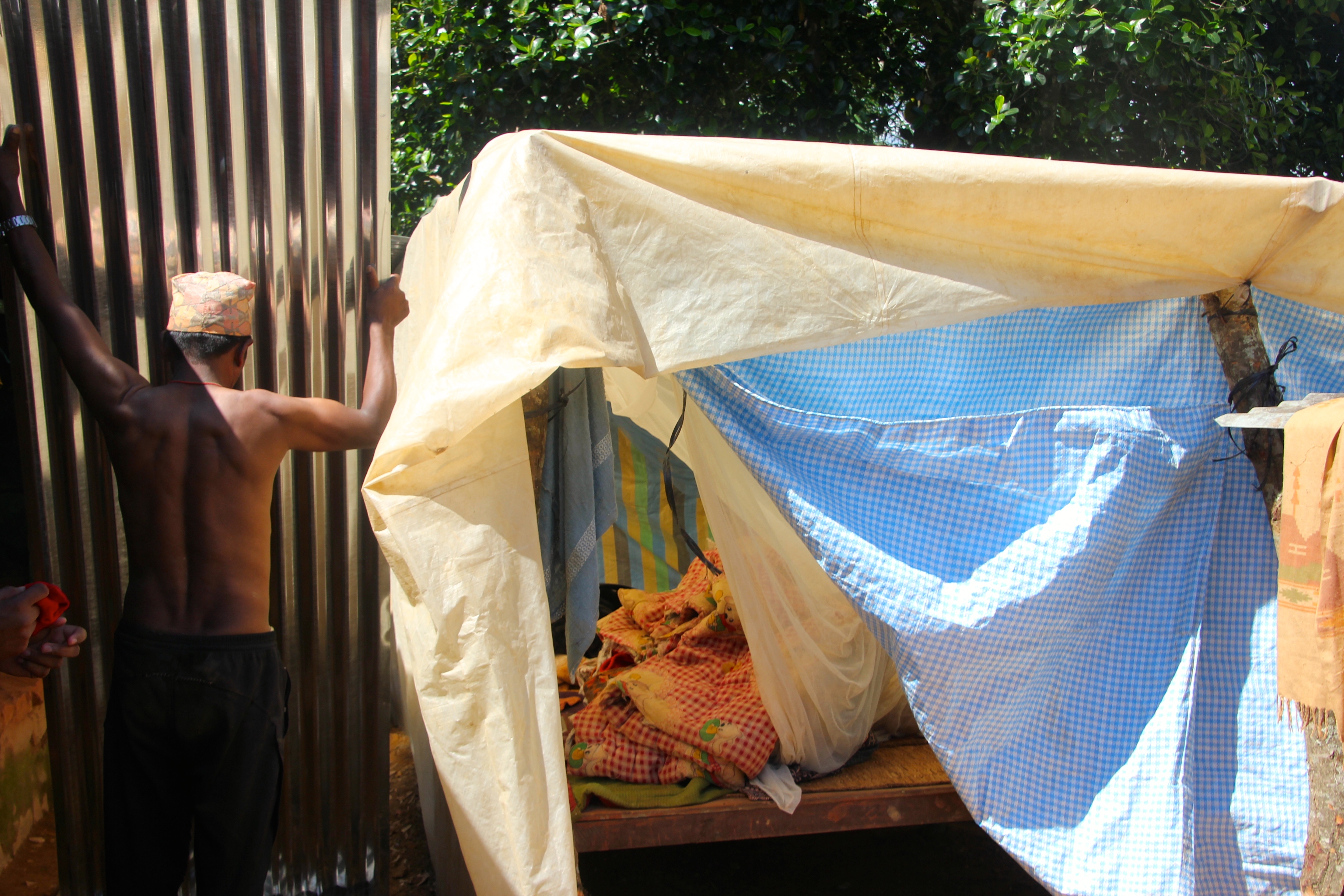
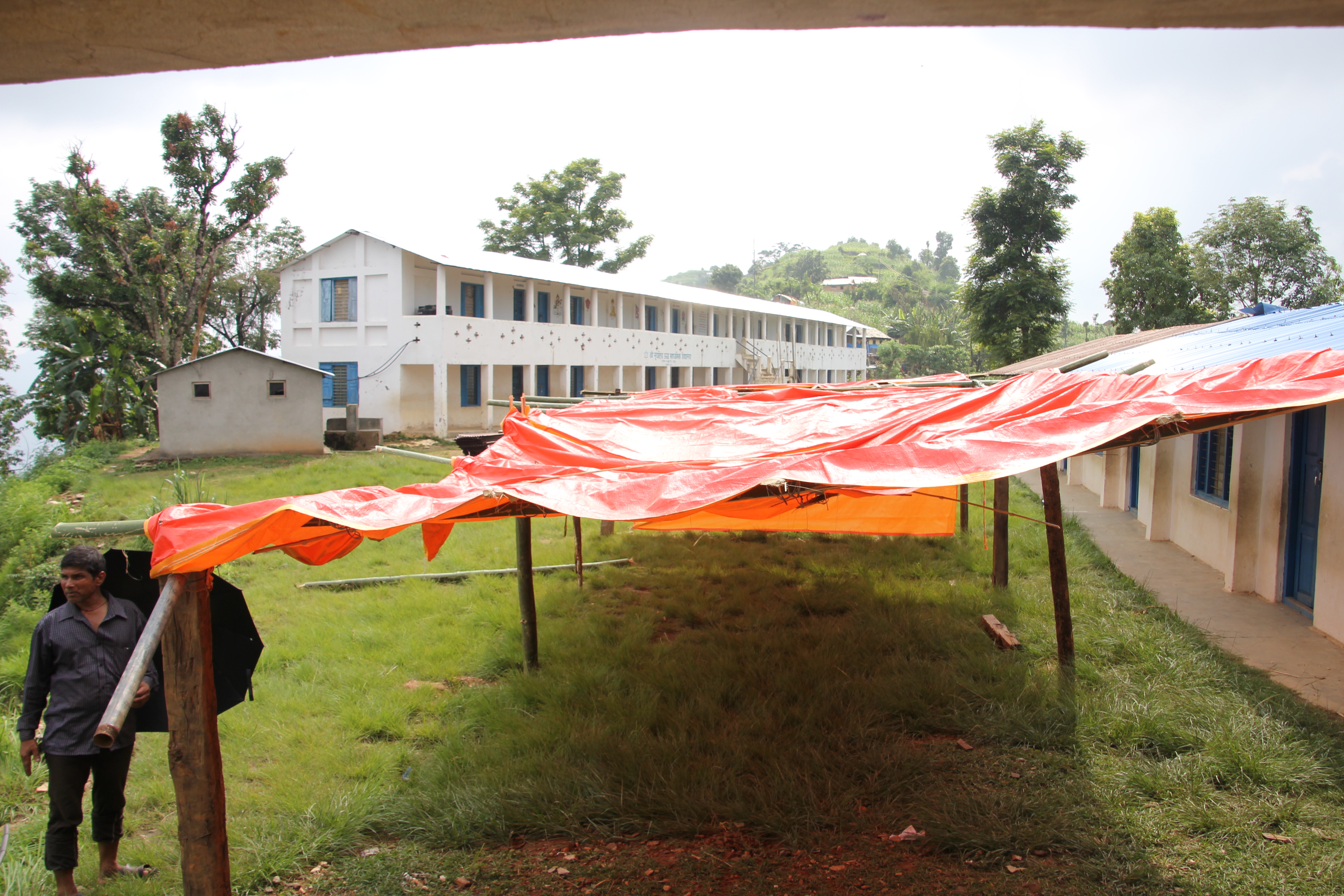
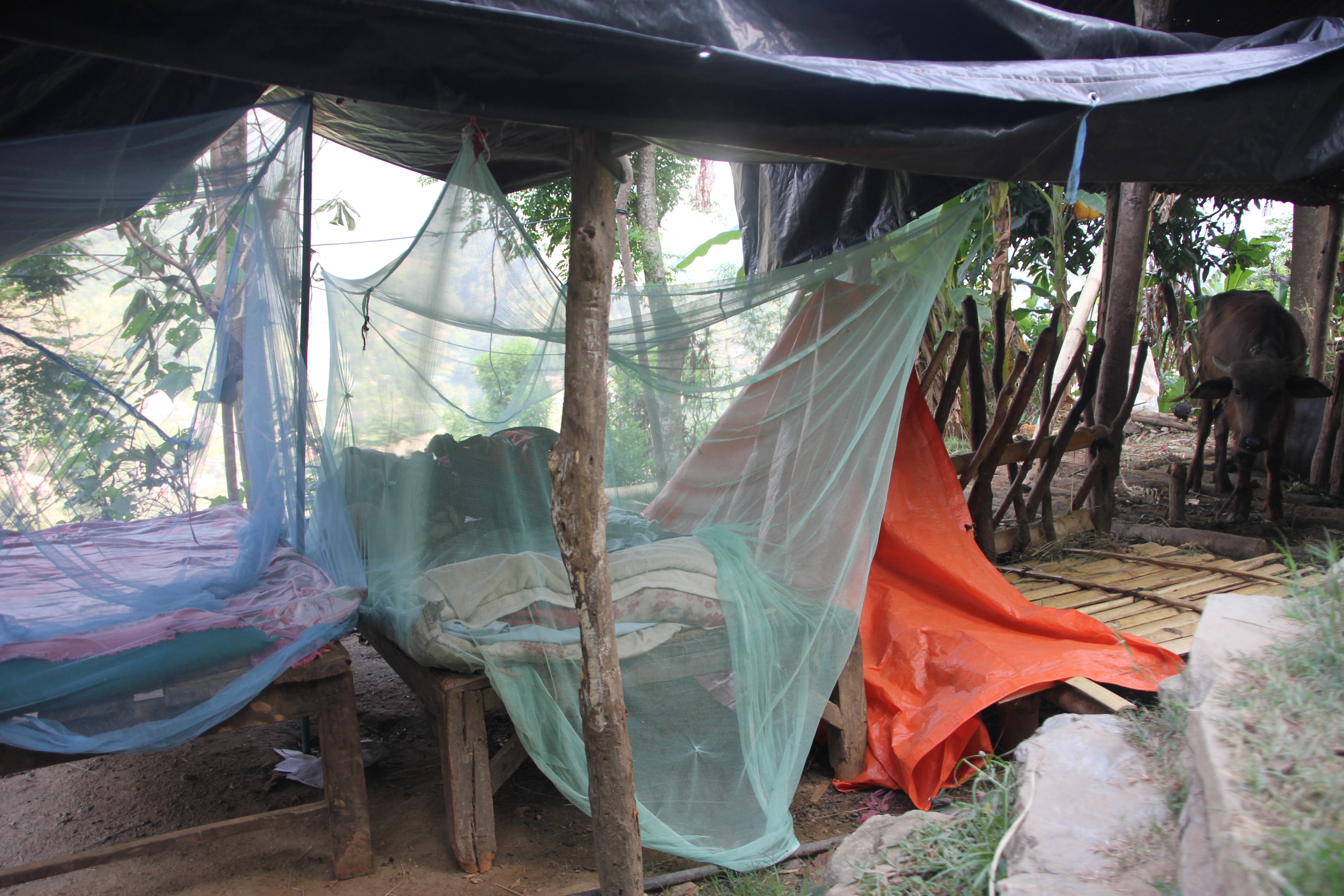
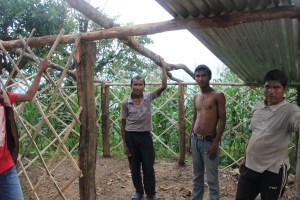 sure why so many of the people in Banjang had made structures with such obvious problems. We decided we’ll do our best to provide day employment for some of the Sirwari people to come up and help the people in Banjang. We’ll see how that goes. In any case, at least these folks will be able to move out of the buffalo sheds and such. I will venture to say that if we had not required that people build before providing these roofing sheets, this is an area where a lot of our tin would likely have sat in the yard or been thrown on top of unsafe houses.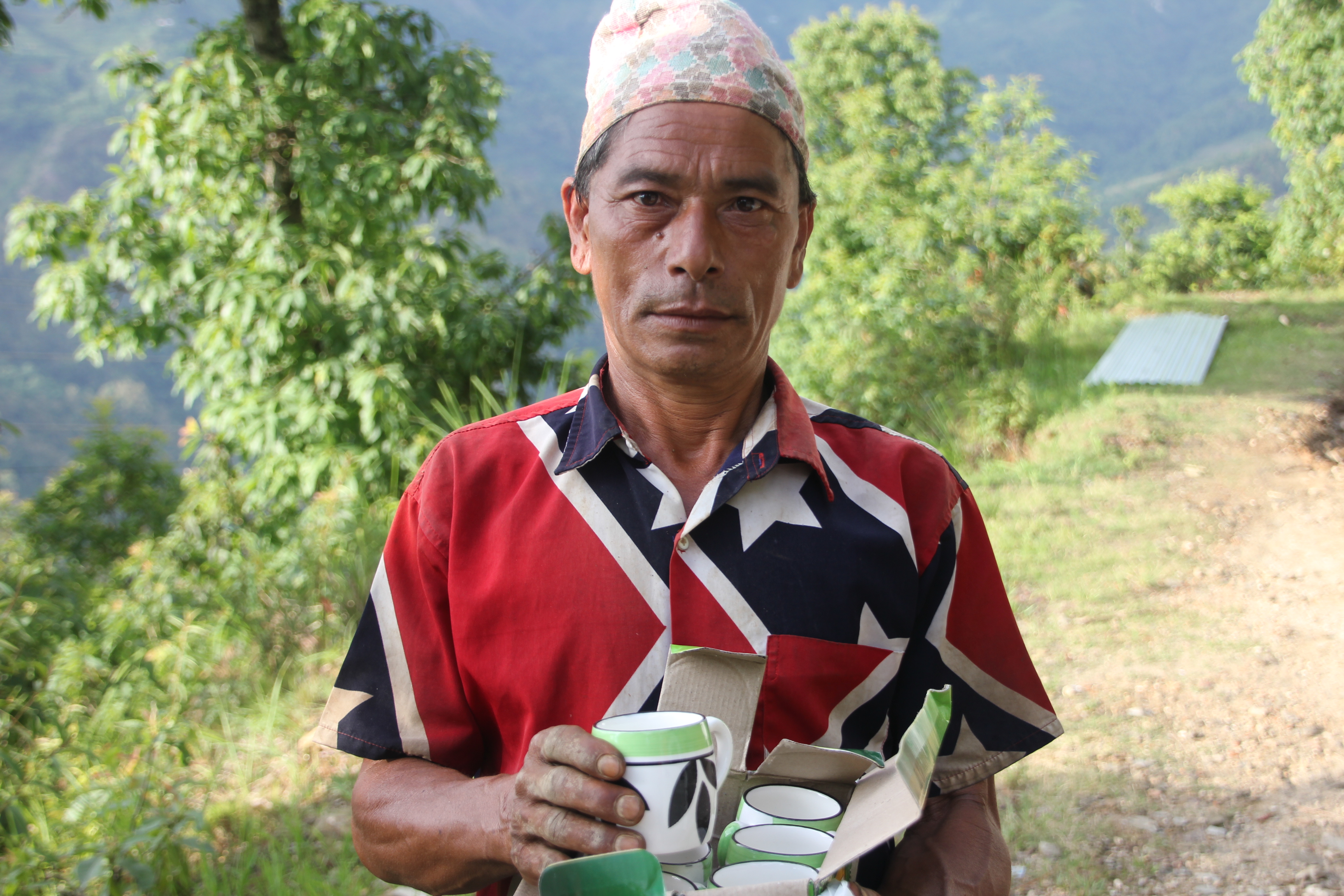
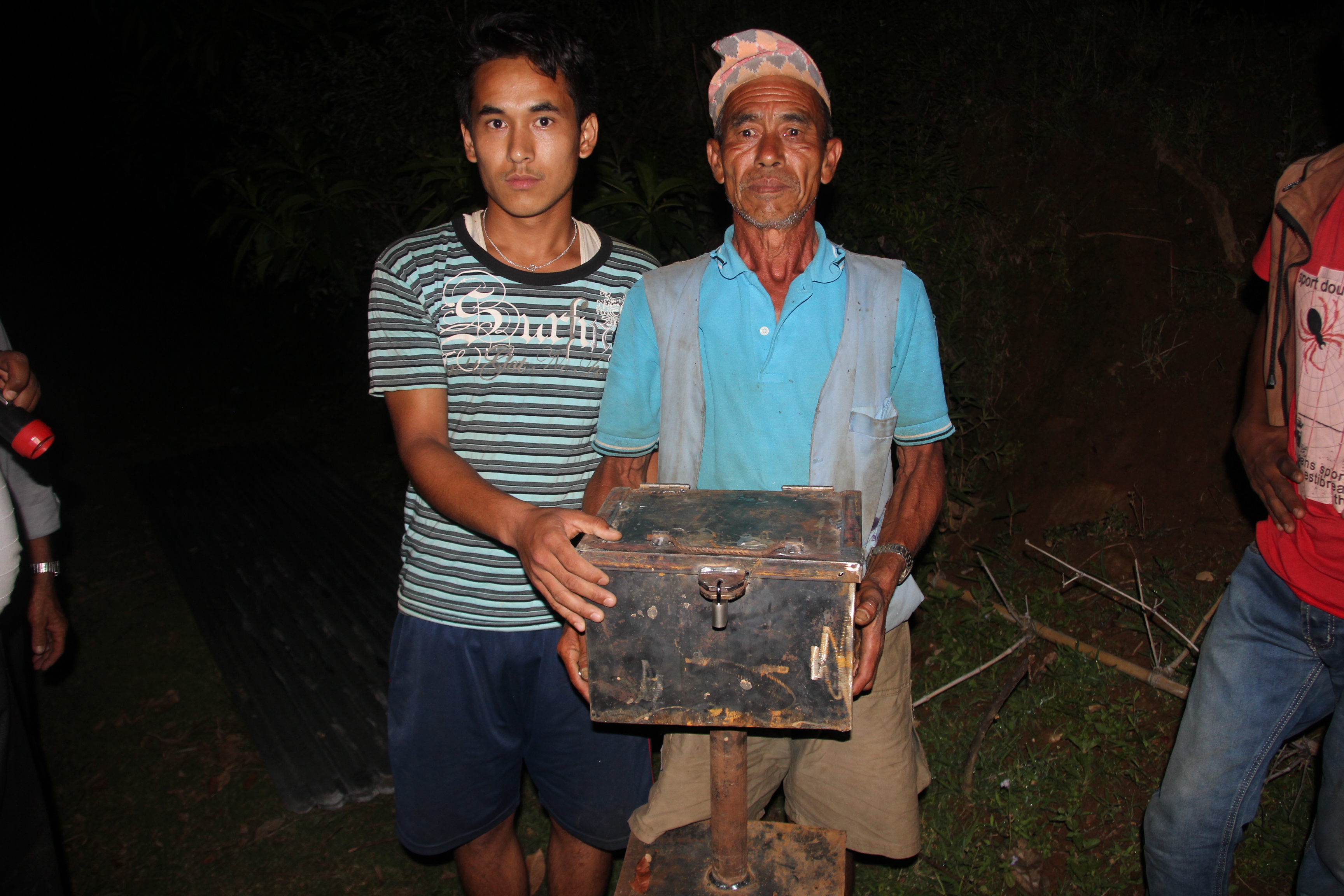


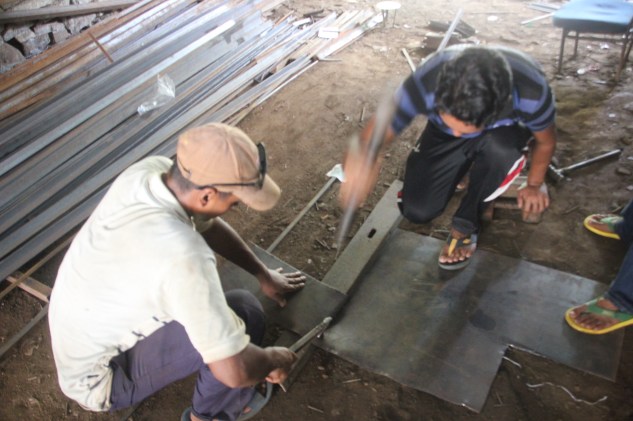
 Everyone
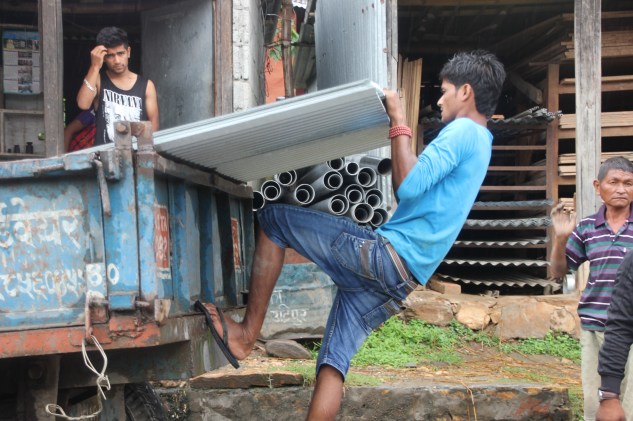
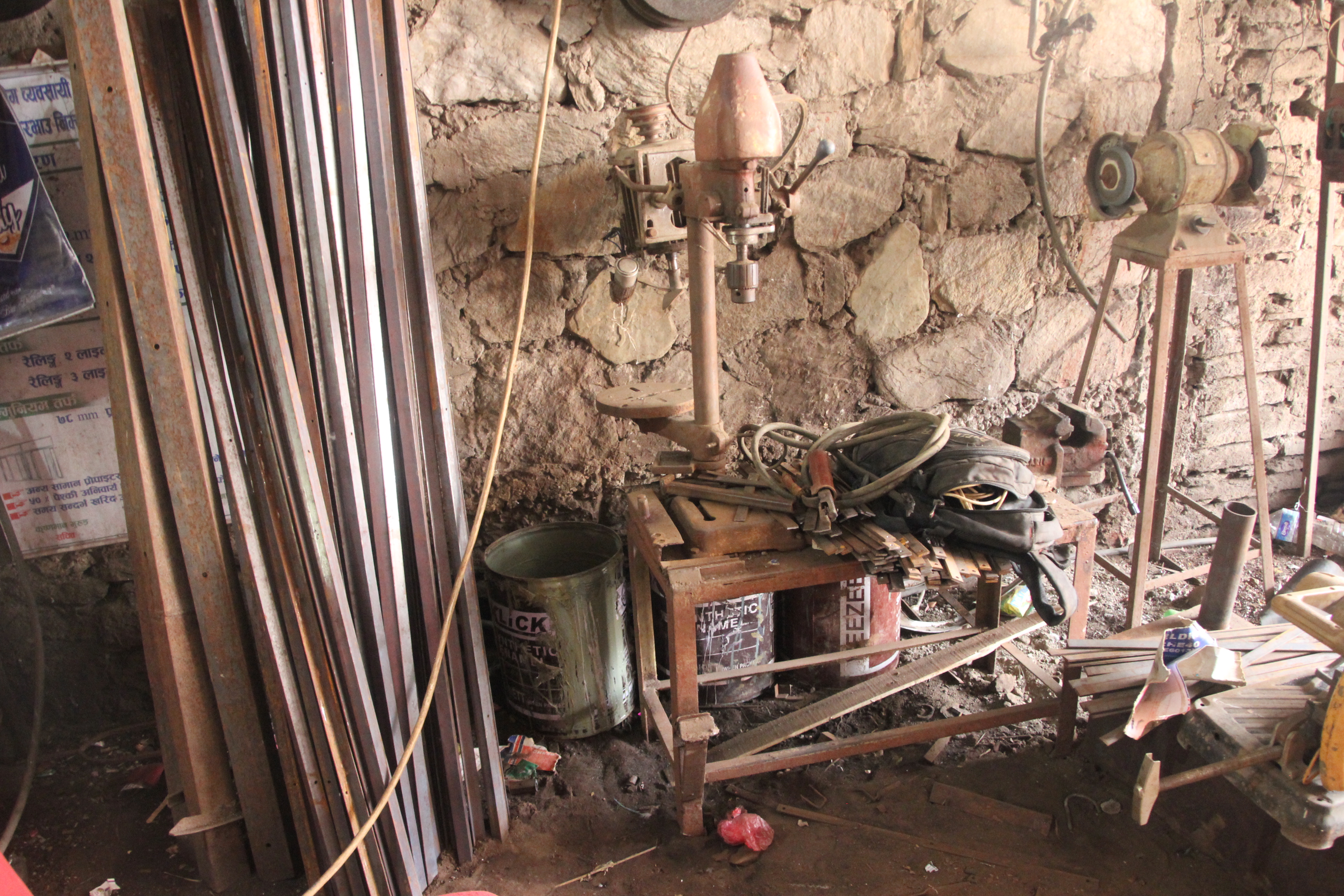
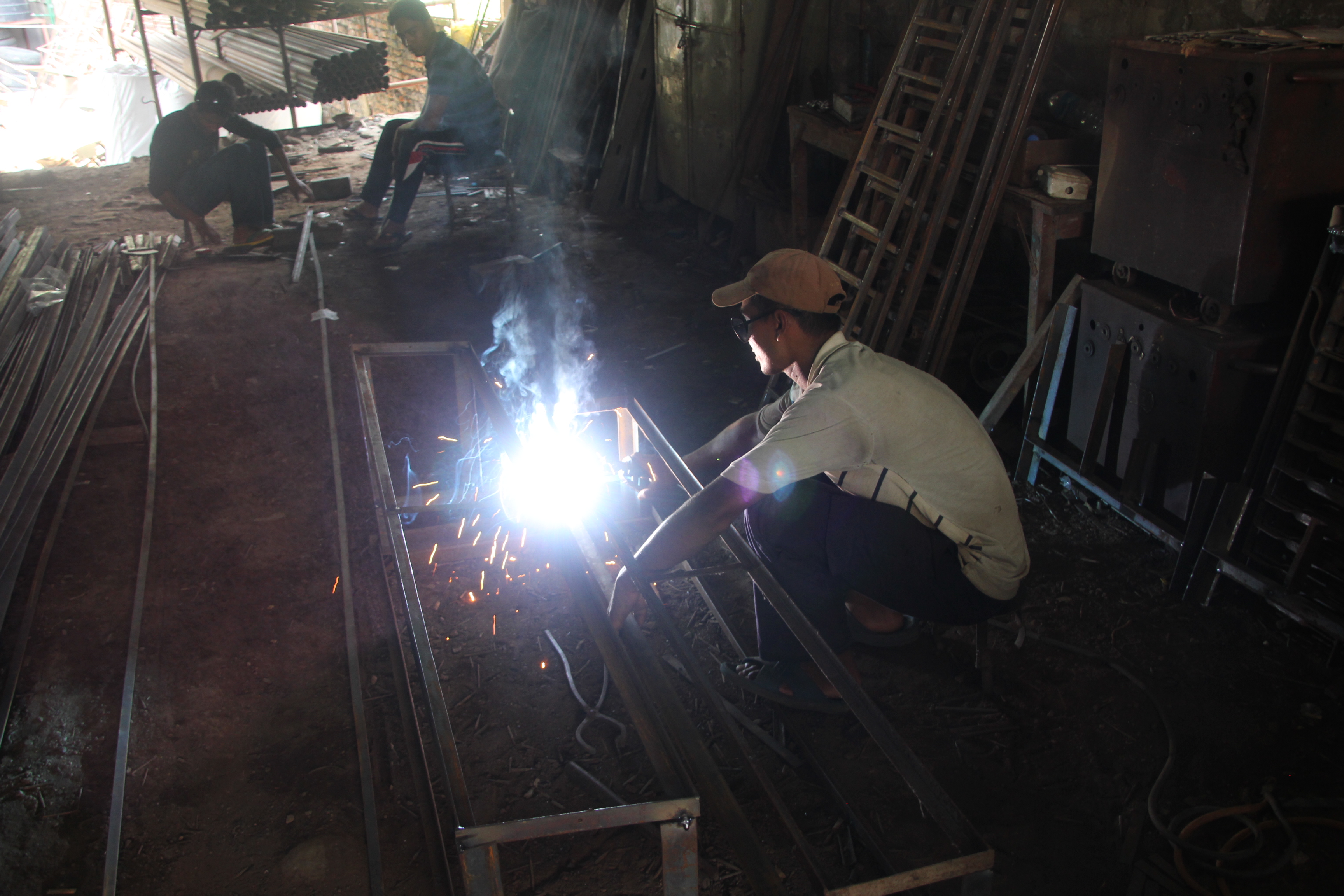
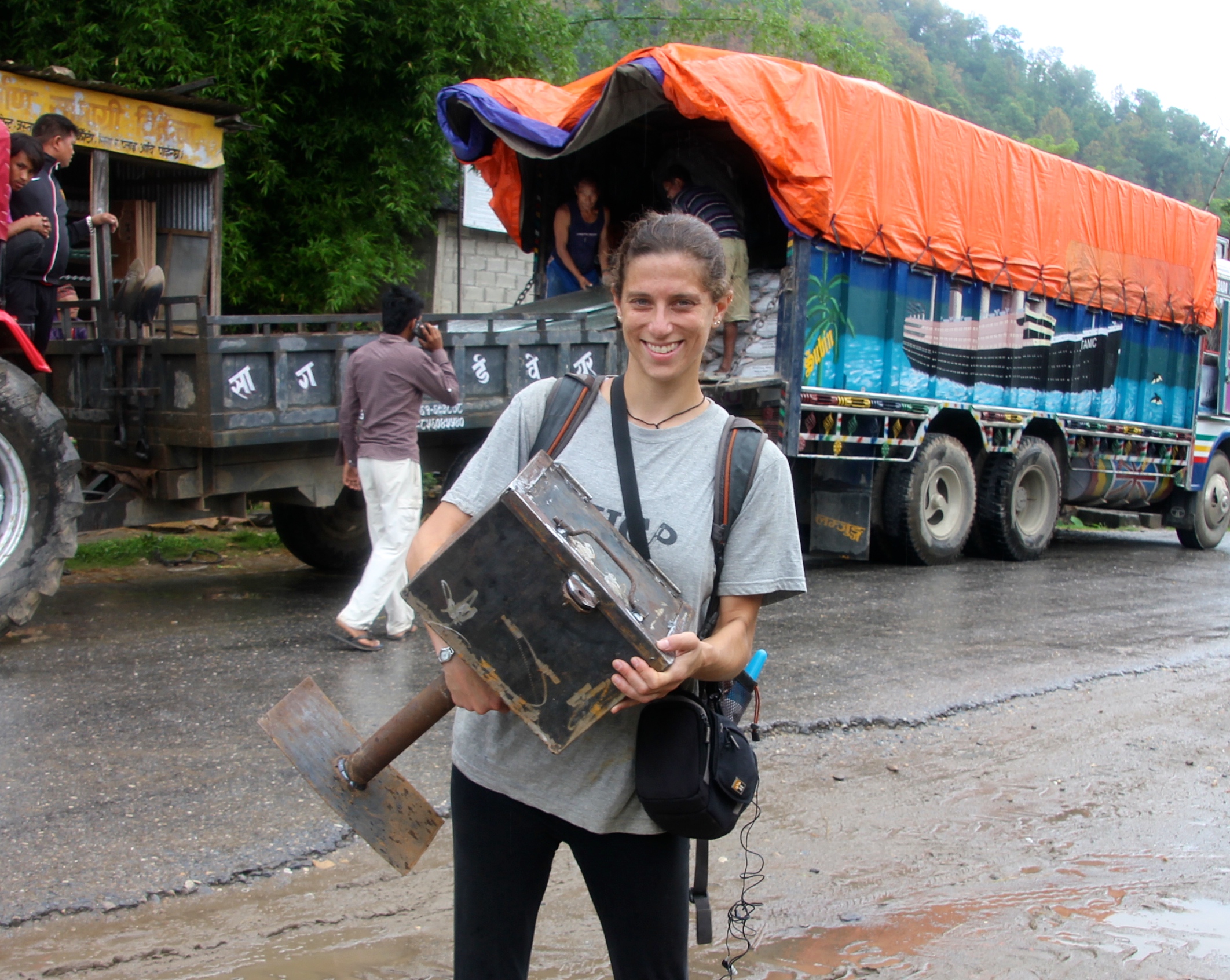
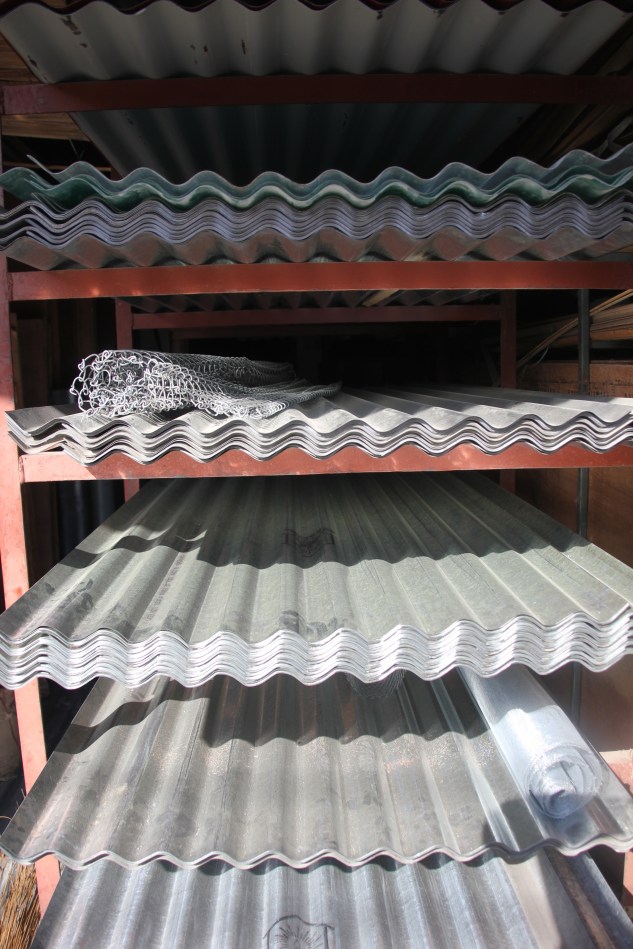
 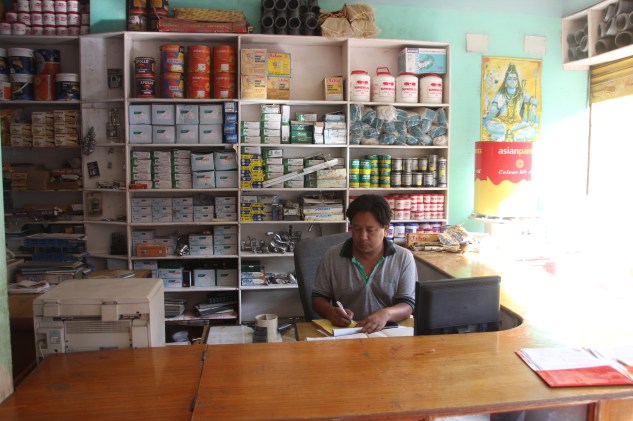 So that’s how we found ourselves in this shop, Raja Enterprises, in Besishahar, where we sat for about three hours, watching the owner Rajesh make calls about tin. And at 5pm, when we’d finally secured and ordered the tin, and it wasn’t going to come for a week, we were ready to get in a bus back to pokhara, successful on one hand and defeated on the other.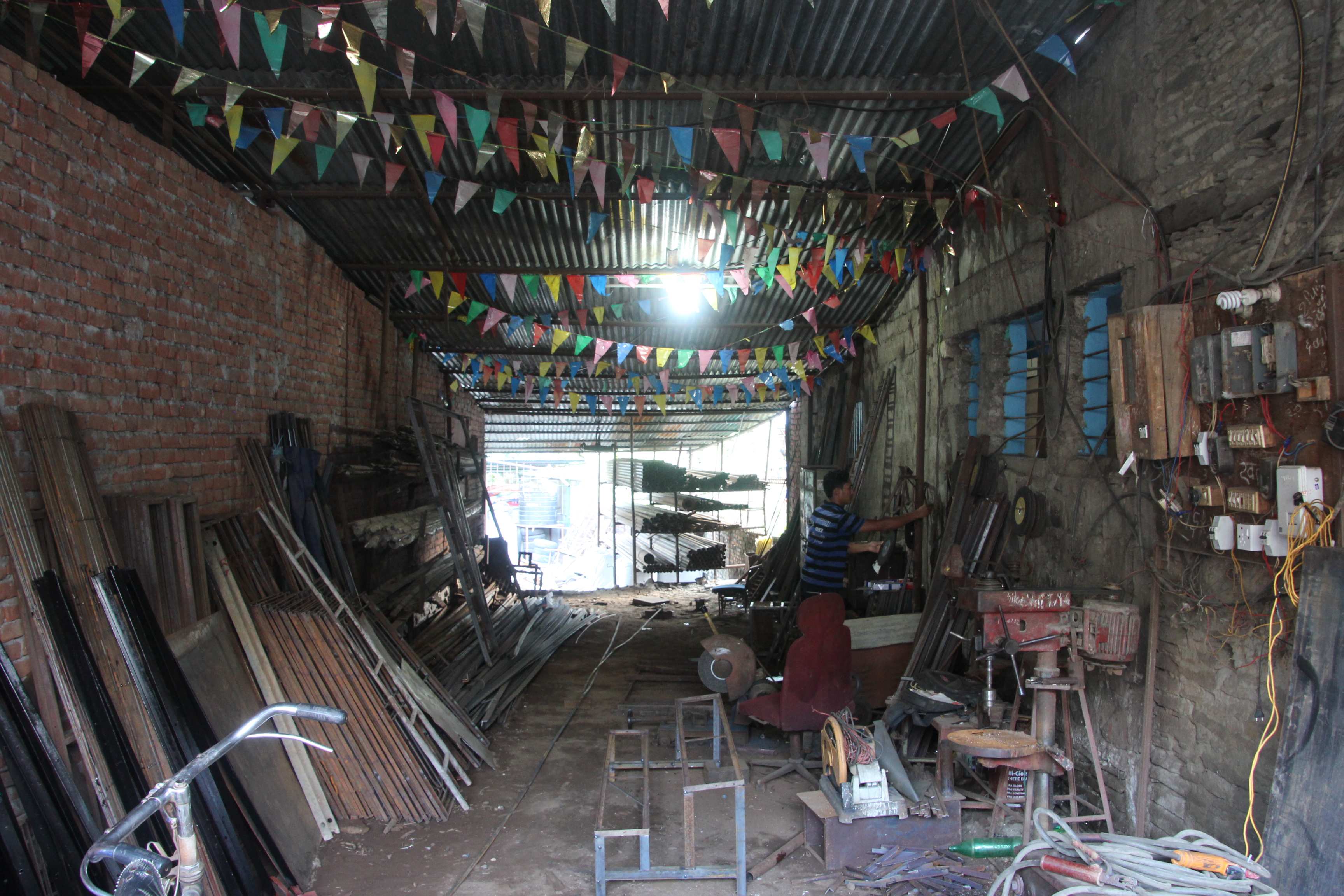
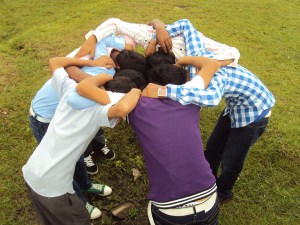 Bhagwan, Krishma, Shristhi, Sabina, Narayan, and Asmita. Each of them has an incredible life story, and within the next few weeks, I hope we will be posting a tumblr that profiles each of them as well as the eighteen GL fellows before them.

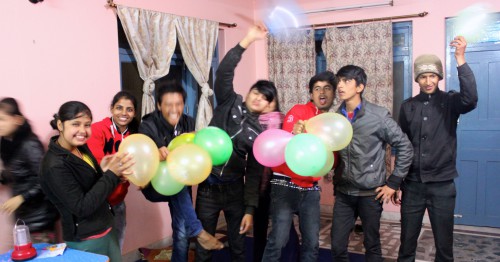
 at least for now, so that we can focus on dental care, which is our more scalable program. But boy am I going to miss these kids. I am so proud of them. I am going to miss our sleepovers and henna parties. I’m going to miss eating breakfast in Connecticut over chat with them while they eat dinner in Pokhara. At least I know they will be keeping my social media pages full of news (work that online image crafting, kiddoes) and keeping in touch with each other.
 We were especially popular with these kids, who followed us around this ridge top until we got to the house of the girl on the right, Ganga. As you can see, they’ve moved in with the buffalo, so we’re gonna bring them some tin for a new bamboo house too.
 eating like a monkey. Nepalis eat fresh corn by pulling the kernels out with their fingers, not sticking the entire thing in to their faces like heathens. Oh well. It’s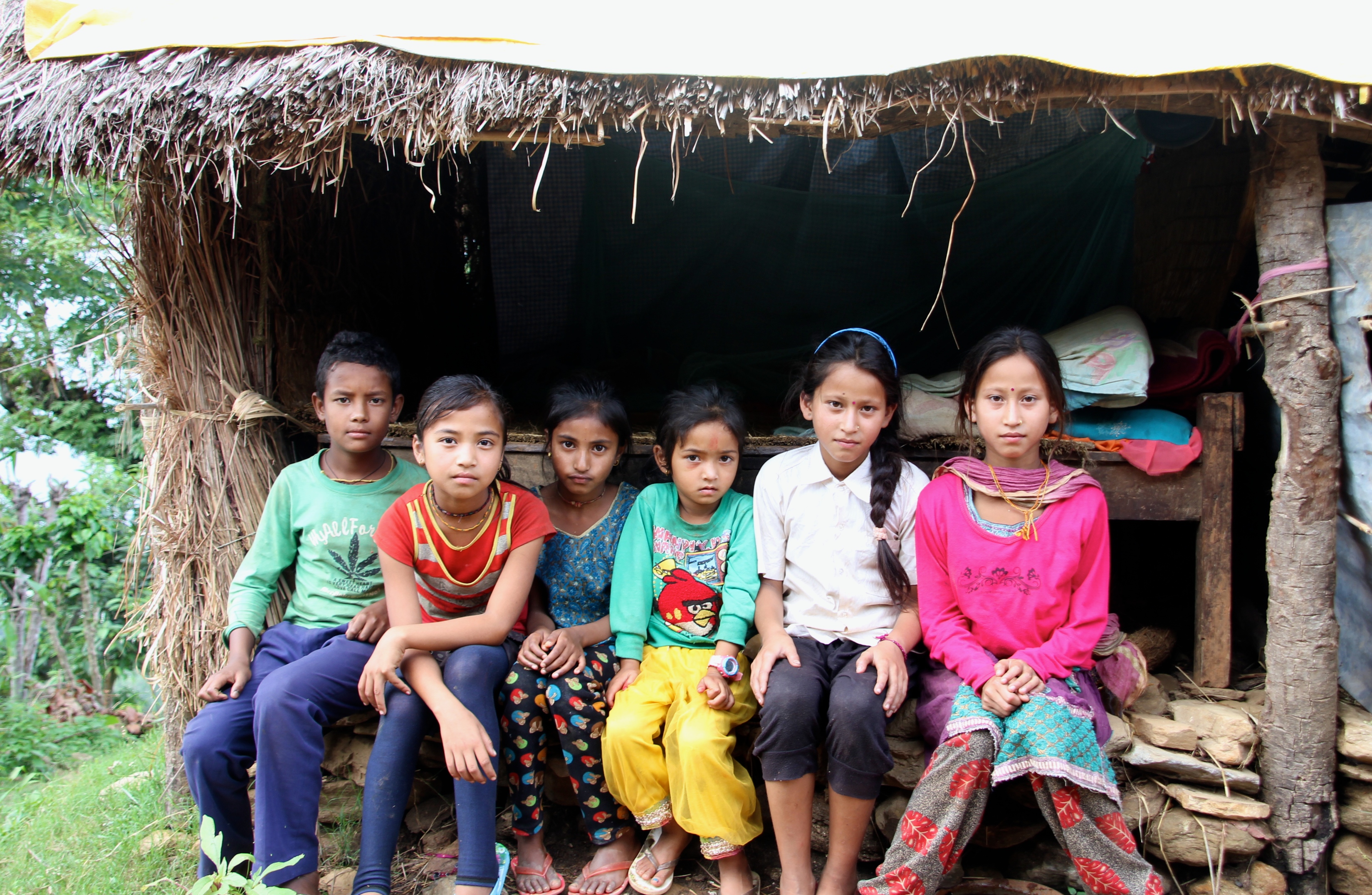




 All The Pieces