The WorldEdge Restaurant


Now and then I realize I have a collection of items that are too good not to share but have been too random to include in other posts. I present you now with this summer’s collection, the Worldedge Restaurant.

1. An old lady tending to a street a cow.

As deities, cows freely wander the streets of Nepal, and there are a number of regulars on the stretch that runs between Jarebar and Lakeside. They rummage through the gutters and depend on the kindness of strangers. One day I noticed this old lady attentively grooming one of these gentle animals by the side of the road in the middle of the afternoon.

IMG_8764


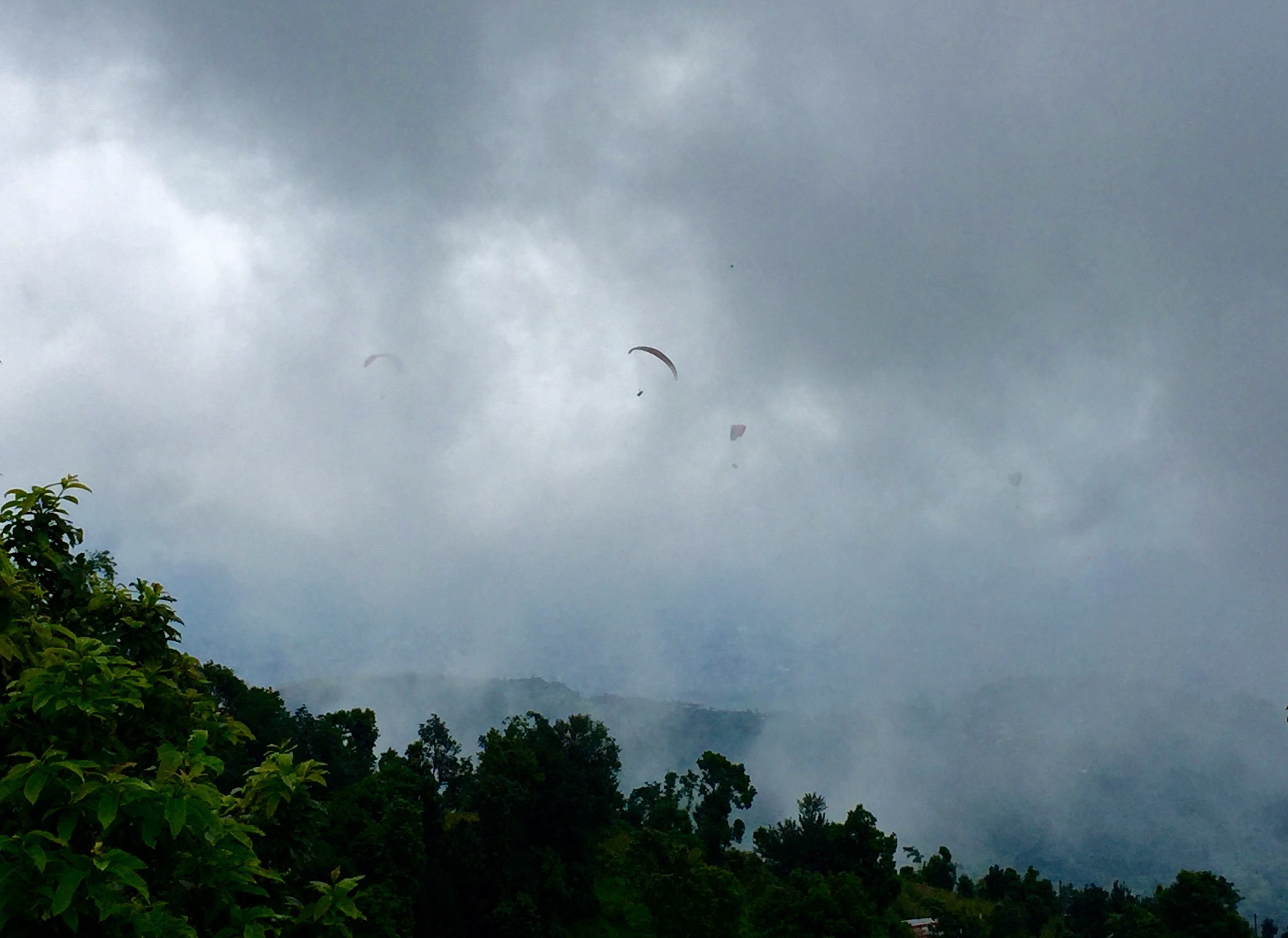
2. Paragliders sailing over the valley.

I snapped them one day on the bus ride home to Kaskikot.

IMG_8970


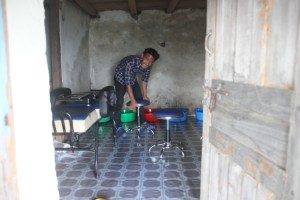
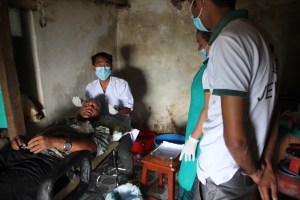
3. Hotel Touch Nepal Worldedge Restaurant

I walk past this establishment each night on my way home, and either nobody was able to reach consensus about which words to include in the business title so they went for everything, or they just have a bit of confusion regarding core mission. In any case, I’m thinking it’s probably best not to use Hotel Touch Nepal for lodging purposes.

IMG_9536


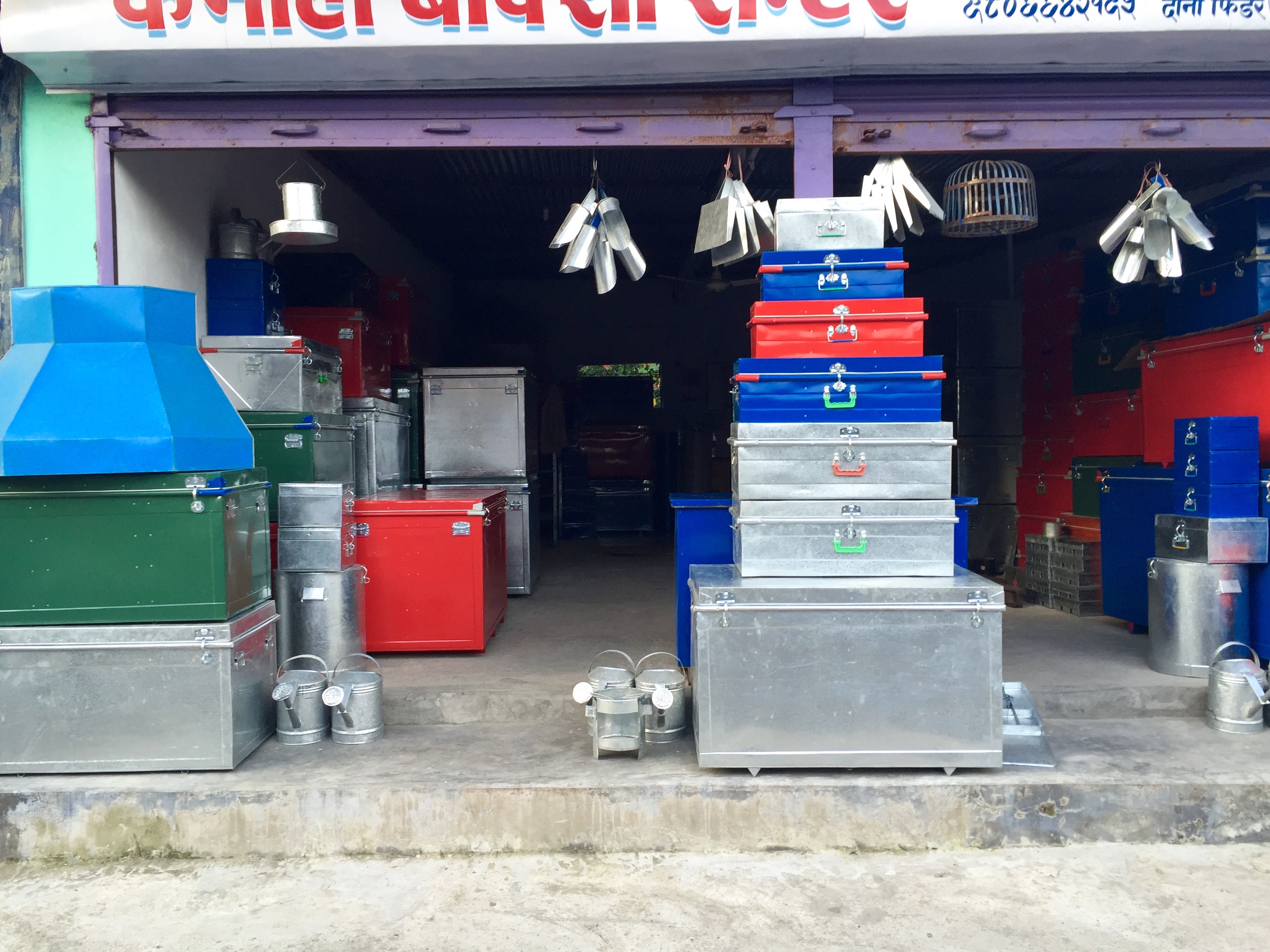
4. This shop of things made entirely out of tin.

Such as storage chests, chimneys, and watering pots.

IMG_9393


5. Pascal and Aidan entertaining themselves at home while the electricity is out.

Because you need power to charge things, but not to dance in the dark.


6. Aamod’s Shrek Bike

When Aamod puts this cover on his motorbike each day outside the office, it convincingly resembles Shrek. Unfortunately I failed to photo his actual motorbike every day for two months, so on the last day I tried to recreate Shrek on a bicycle, which is why he looks a little anorexic.

IMG_9549


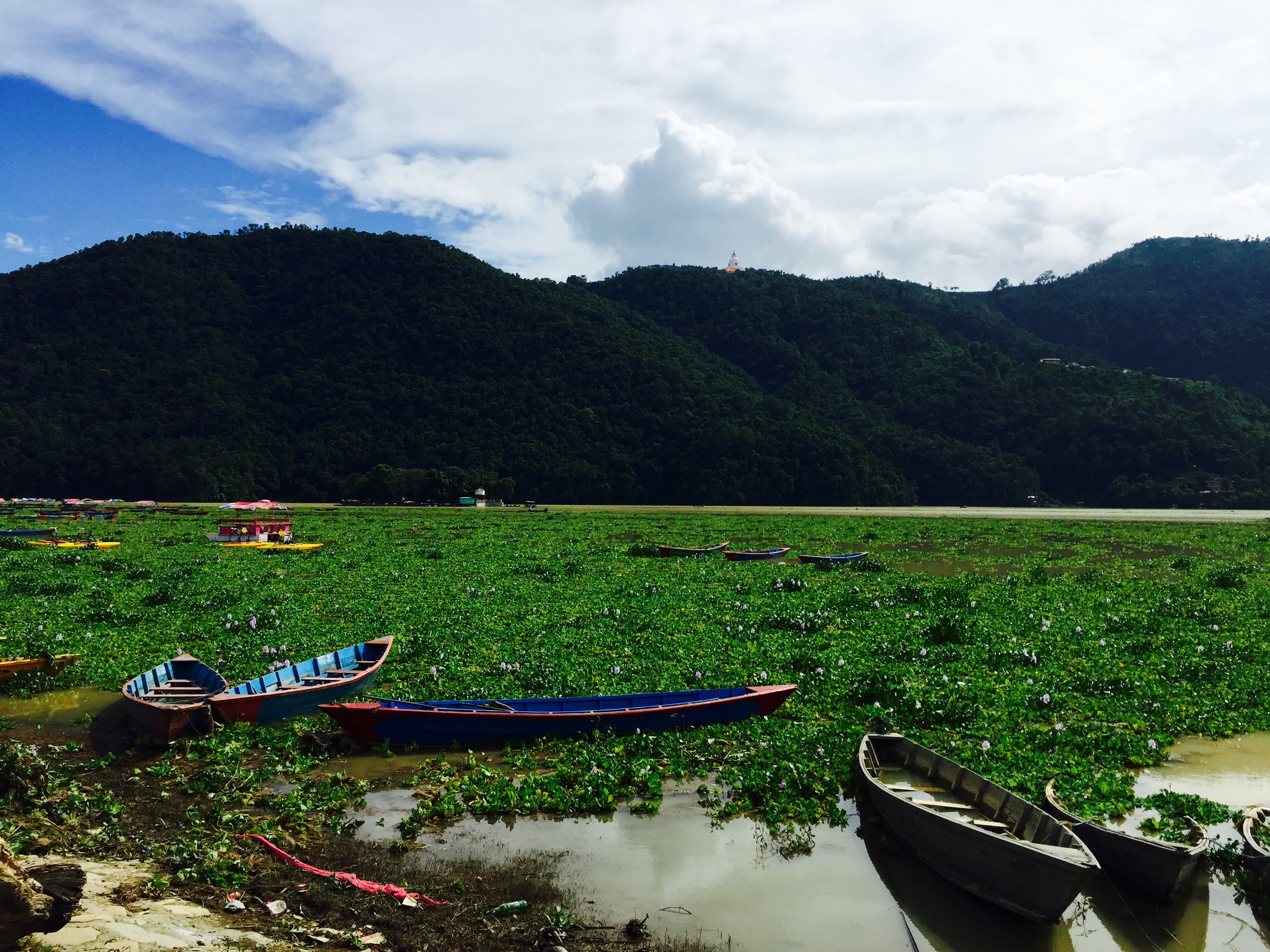
7. A plant lake

During the summer, Phewa Lake apparently becomes so sodden with greenery that it turns in to an enormous garden with boats in it.

IMG_9199 

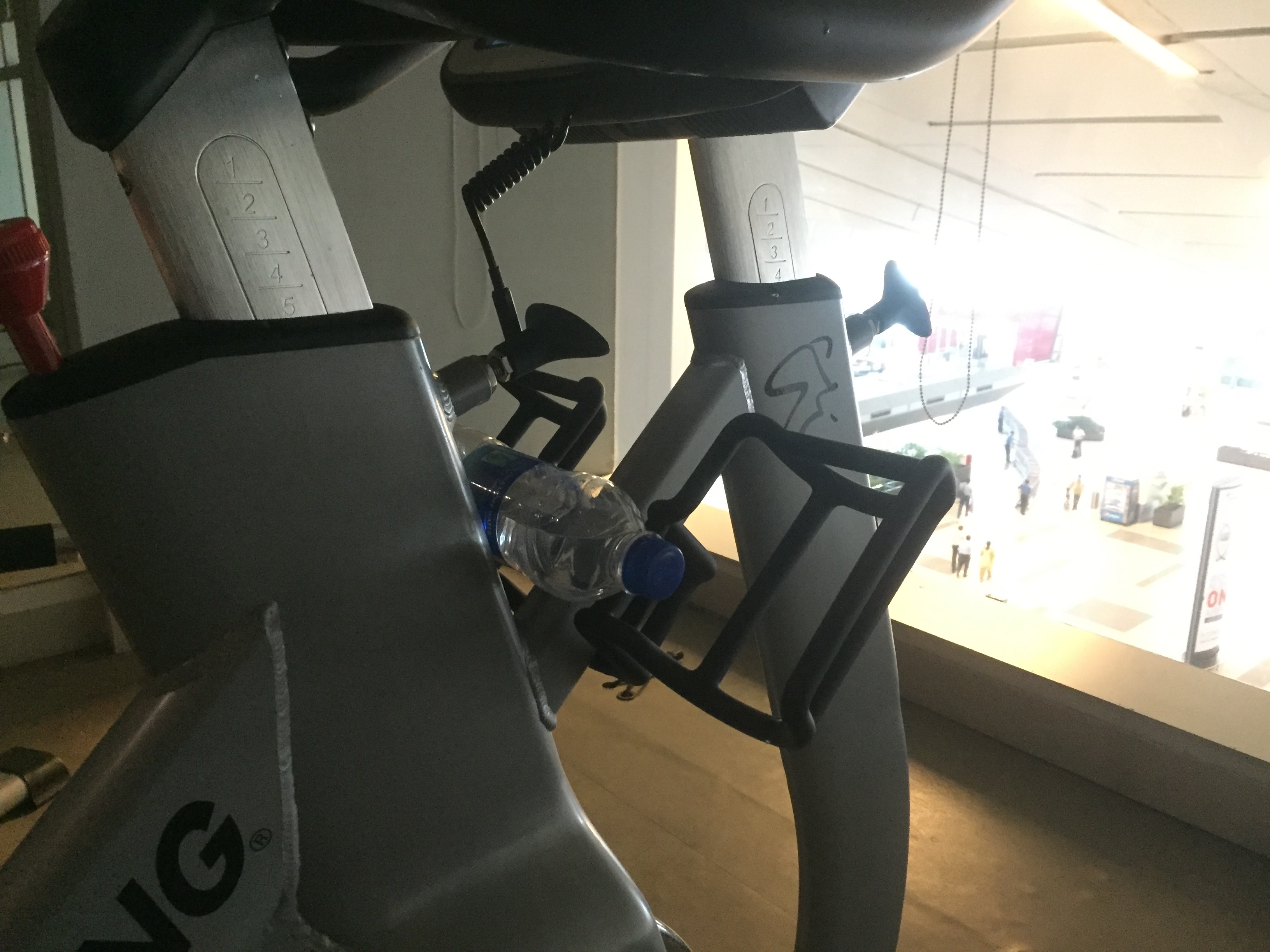
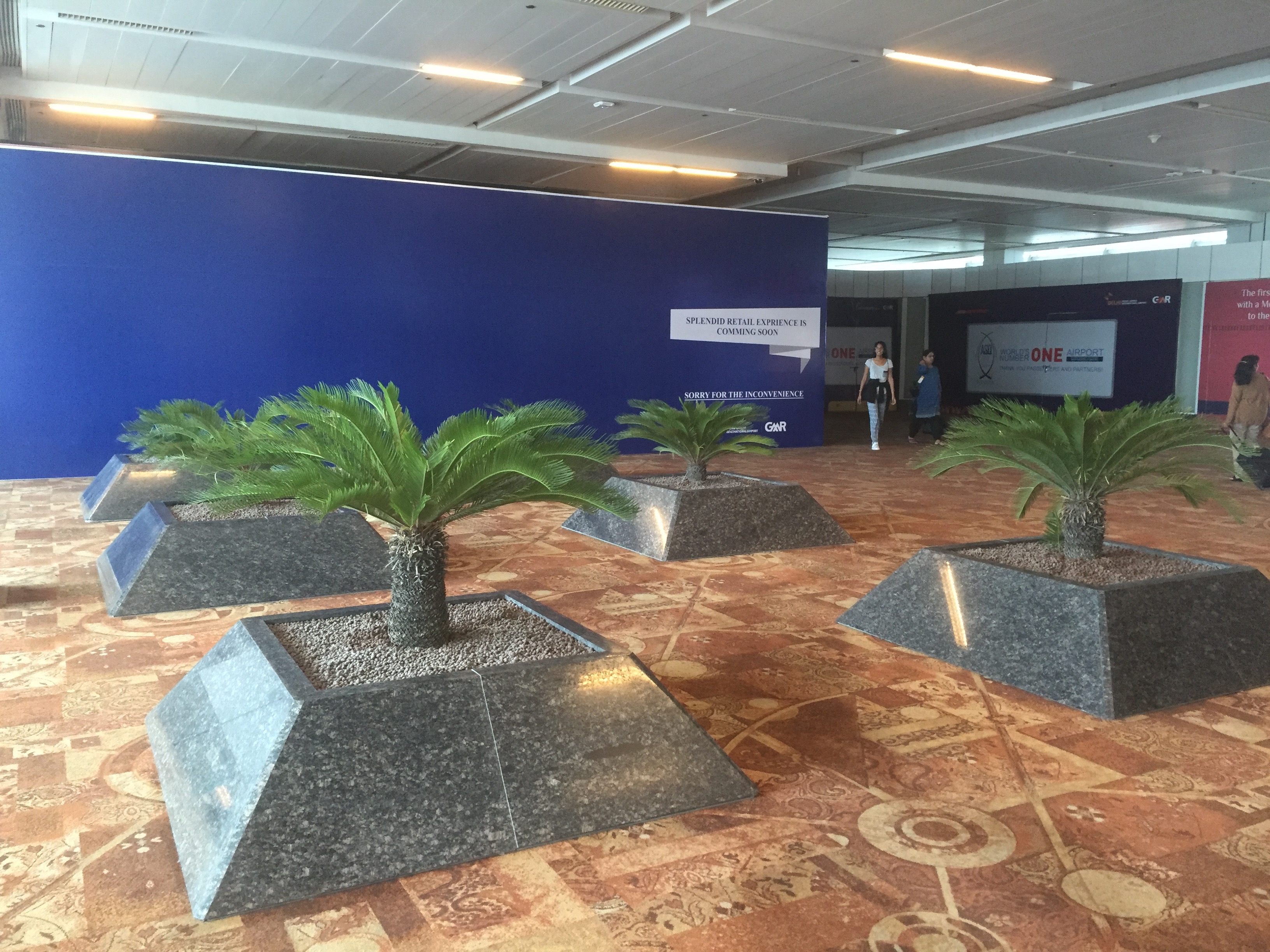
8. The Delhi Airport

Officially and unequivocally the most lavishly decorated circus of an airport on the globe, today’s edition of the Delhi airport brings us this buoyant use of indoor space, and these bottle holders – or something – in the airport hotel fitness center.

IMG_9596 IMG_9597


9. Aidan practicing his martial arts during a golden rainstorm.

Life is beautiful.


Sindure Signs


Sindure village is one of the old feudal capitals of Nepal, where a king once ruled over Lamjung district before unification in the mid 1700s. The drive from Pokhara takes about 6-7 hours…the last three are very bouncy.
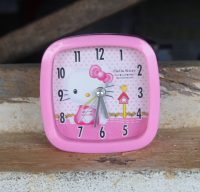
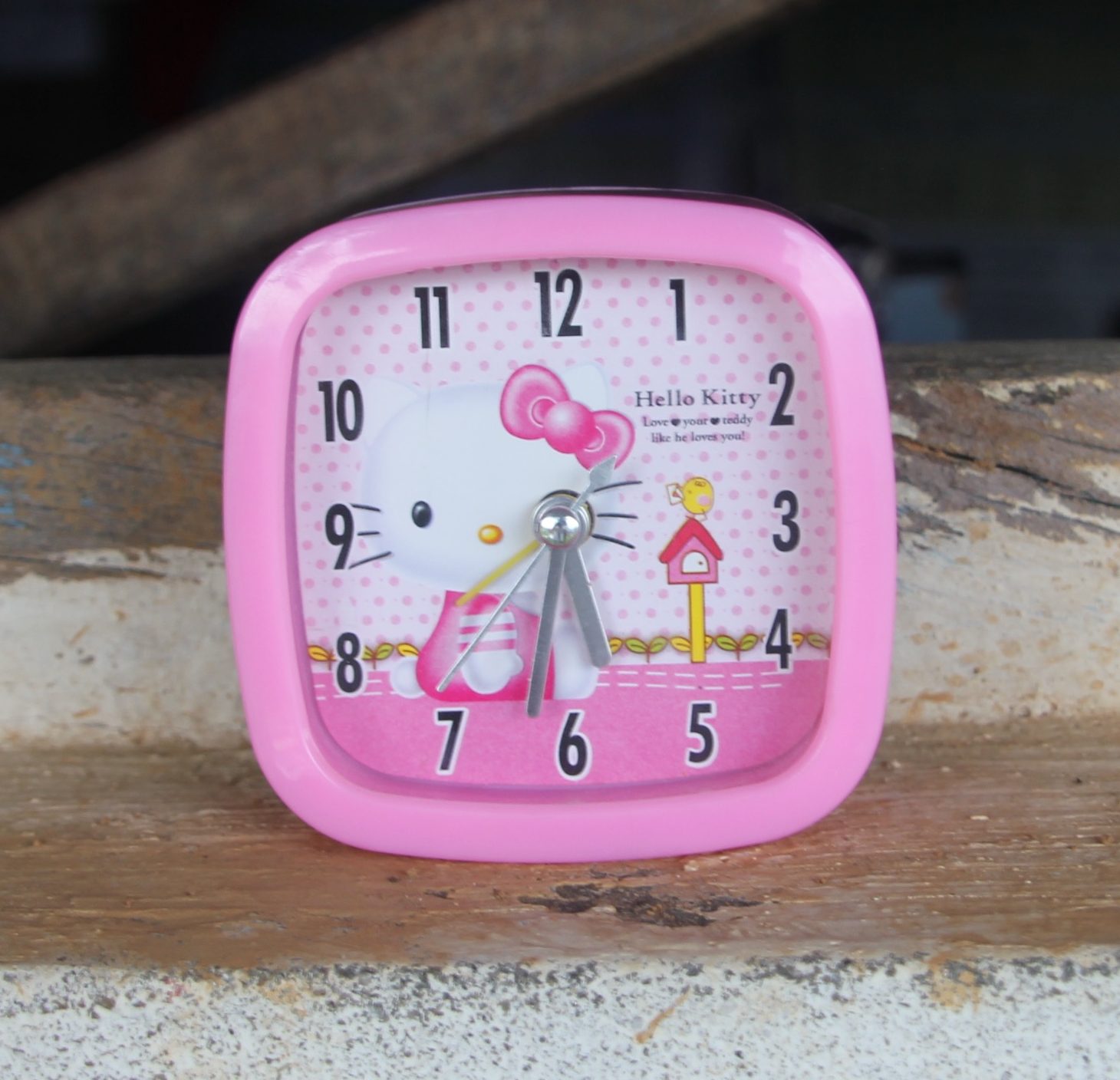
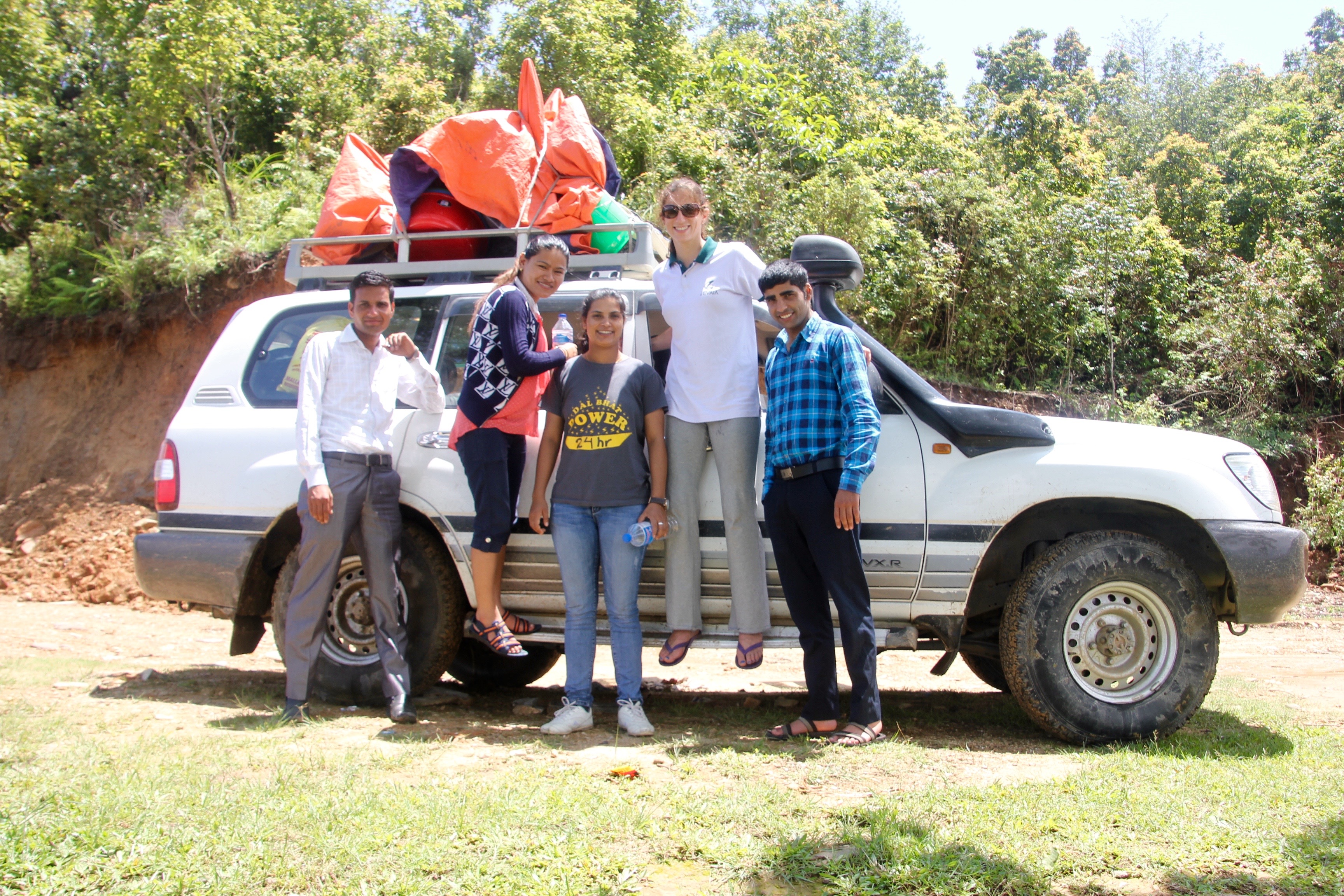
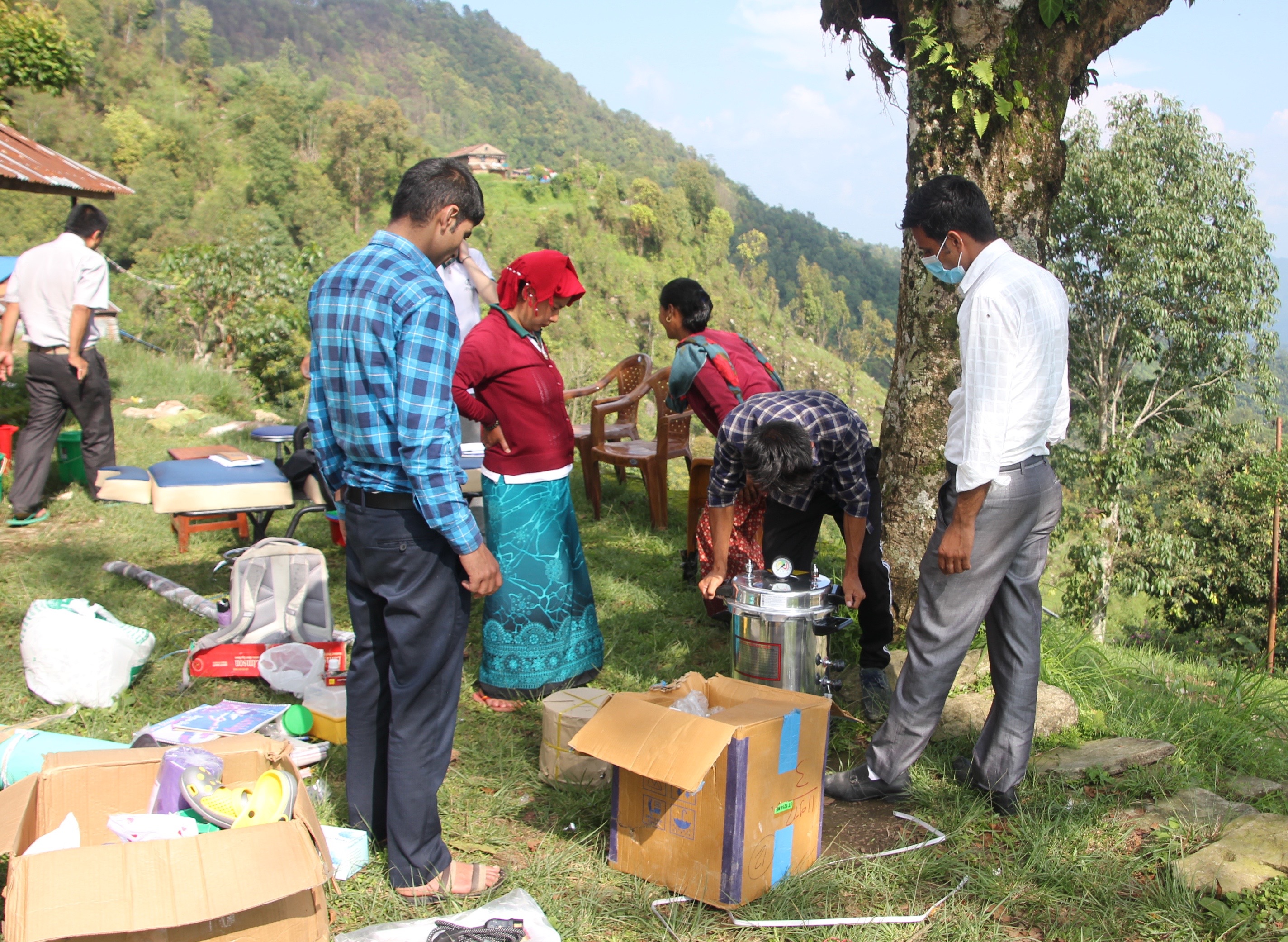
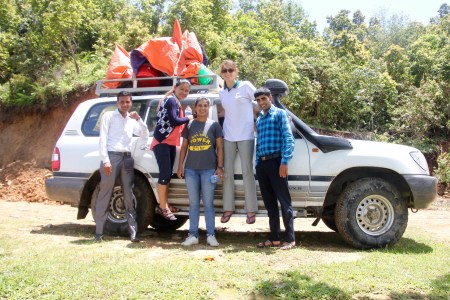
IMG_3007Our day began in a downpour at 6:30am, with the usual wakeup activity: loading a dental chair on to the top of a Landcruiser. We packed in various boxes of medicines, adjustable stools, plastic goggles, and this fancy Hello Kitty timer. Because Virex disinfecting soak is 20 minutes, exactly, and one must have a proper timer.

Also, we had an extra passenger and her little boy who were headed home to their village. They set up in the front seat, and the little boy kept arranging himself with his knees splayed out and the bottoms of his feet together, so Neha quickly named him Laughing Buddha. Mean time, we squashed ourselves in the back of the cruiser and set off in the rain, picking up our senior technician Megnath on the way. And then we were off to our first ever clinic opening in the district of Lamjung.
IMG_2923

We settled in and the cruiser bounced joyously along. It was strange to be headed off to Lamjung again, where we spent many long hot days after the earthquake at this time last year. I was apprehensive about how our clinic setup would go, if the whether would clear, if the road would be passable, if a lot of things. And it was Sunday the 26th, exactly one year after my beloved friend Mary passed away on another rainy and pregnant day last summer. I stared out at the passing rain and fog, thinking about each moment I’d spent on this morning last June, checking my phone for updates from the other side of the world, stunned and devastated by a sudden change of events.

Then again, the bracing car ride left minimal opportunity for rumination. A few hours in, we stopped for tea, and shortly afterwards, Laughing Buddha barfed all over Gaurab in the front seat.

Well, the best part is yet to come.

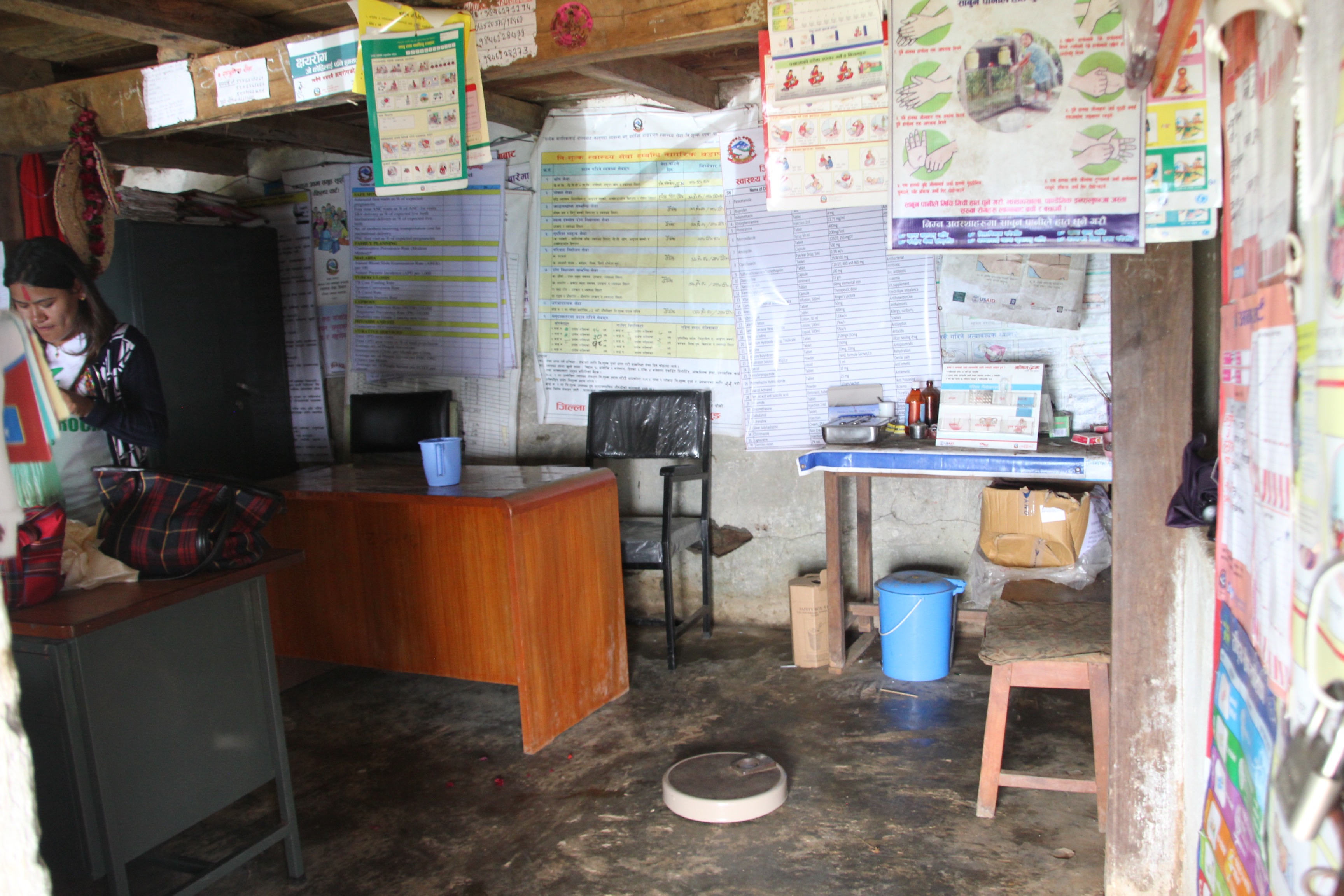
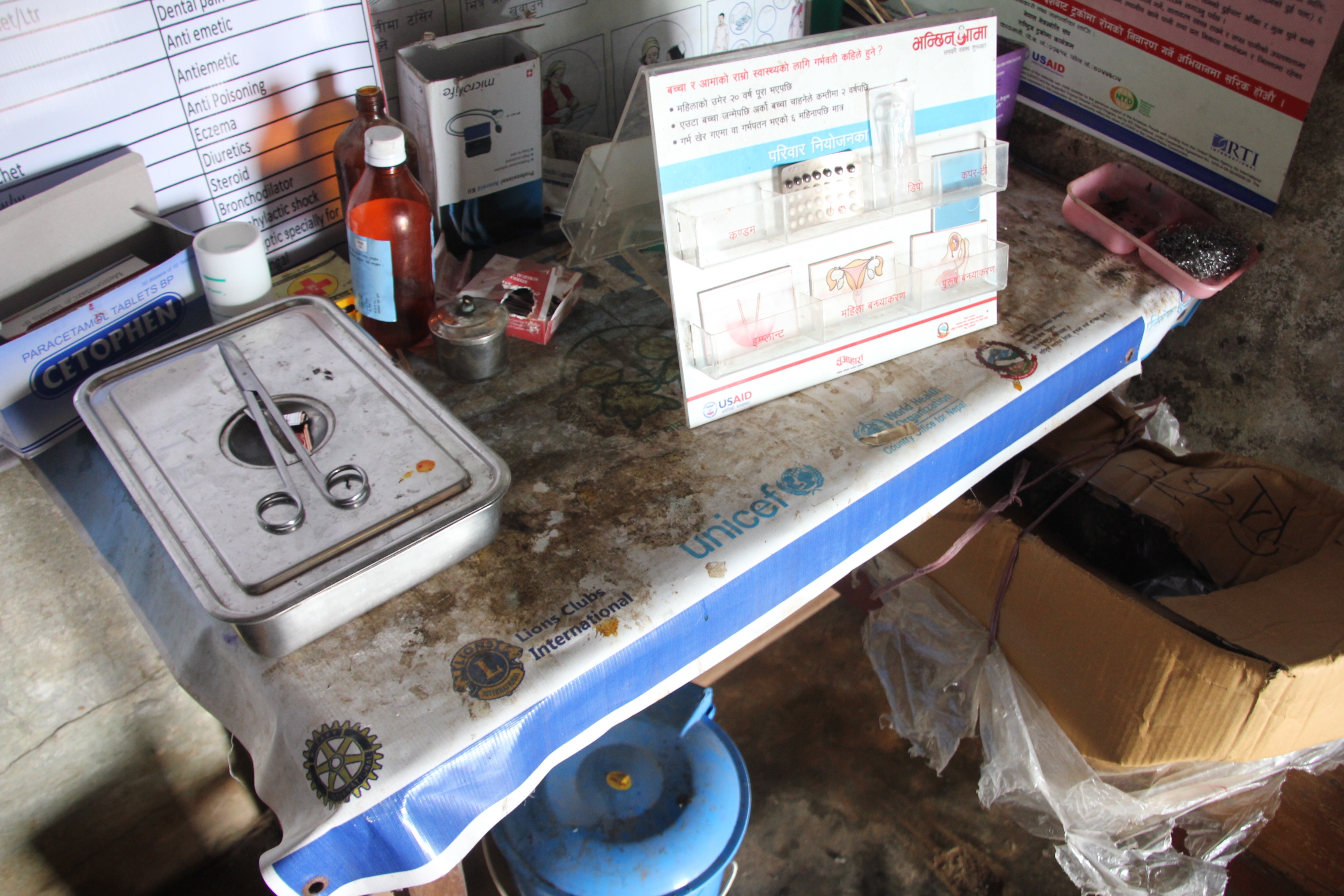
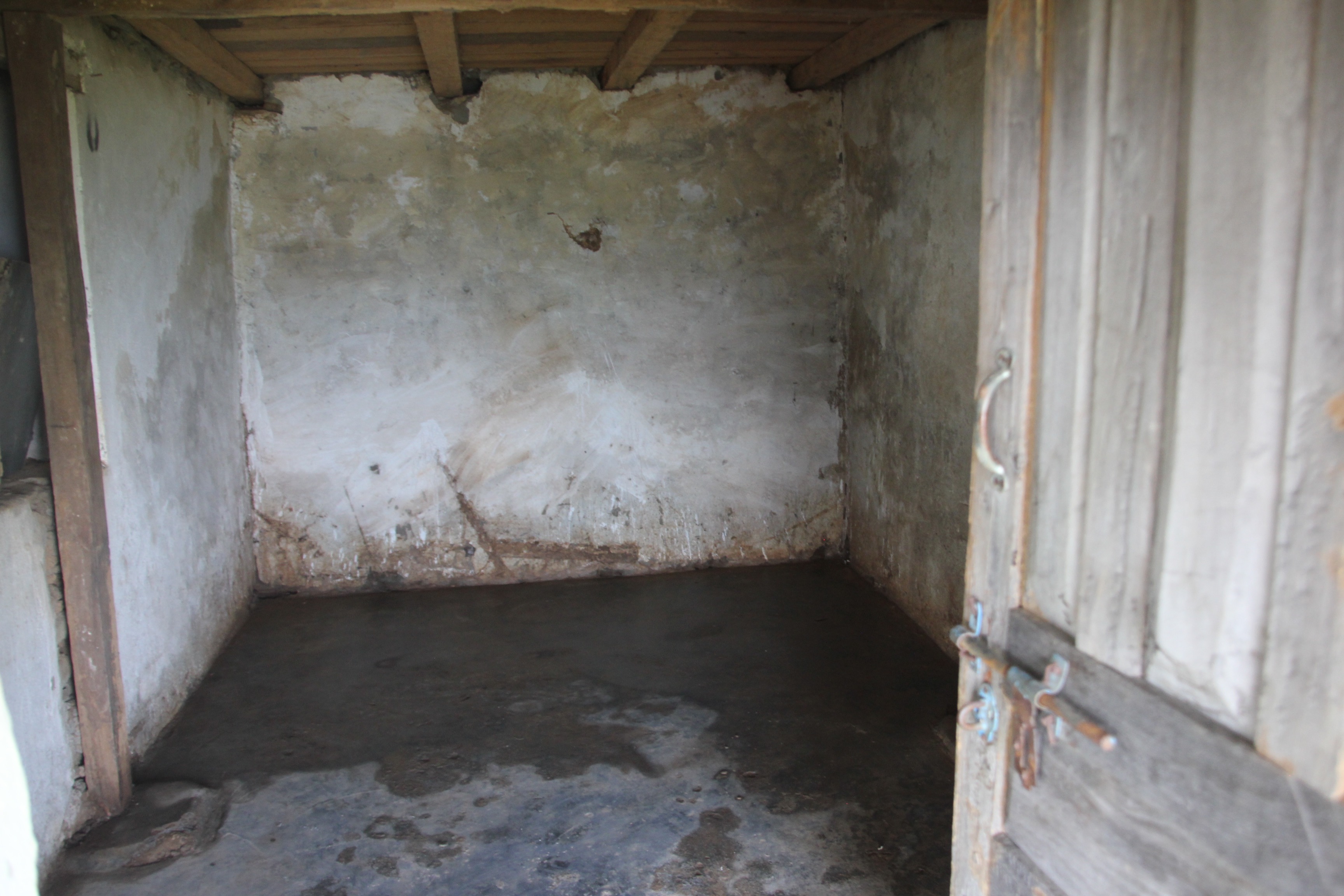
We arrived at the Health Post in Sindure at 2pm to find that, while work had been done on the clinic room, such as making sure it had a roof over the entryway, the room itself was filthy. To give you a frame of reference, here are pictures from main room of the Health Post, which sees patients regularly to distribute medicine and make referrals. Unlike our dental clinic, the Health Post is not performing surgical-type procedures—nevertheless, setting up a dental clinic with rigorous infection control is, well, basically up to us.
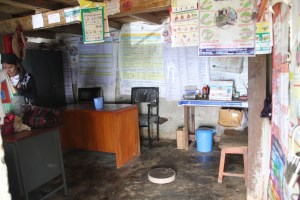
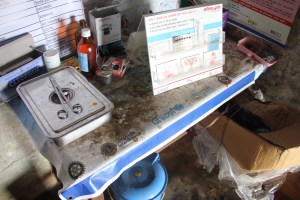
IMG_3231 IMG_3233


Still, there’s a reason we rely on rooms provided by the community instead of building ourselves new facilities. I’ve seen how that can be the difference between imposing new resources haphazardly, and mobilizing existing capacities to raise things to the next level first.  Then it’s a good time to push the boundary, which in this case as in many others, has not yet been approached. After all, with some sweeping and a few buckets of water and phenol, our dreary clinic room started looking a lot better.  There’s no water source at this Health Post, so Dilmaya, Neha, and the Health Post Assistant good-naturedly hauled buckets of water from a “nearby” house at least a quarter mile away.

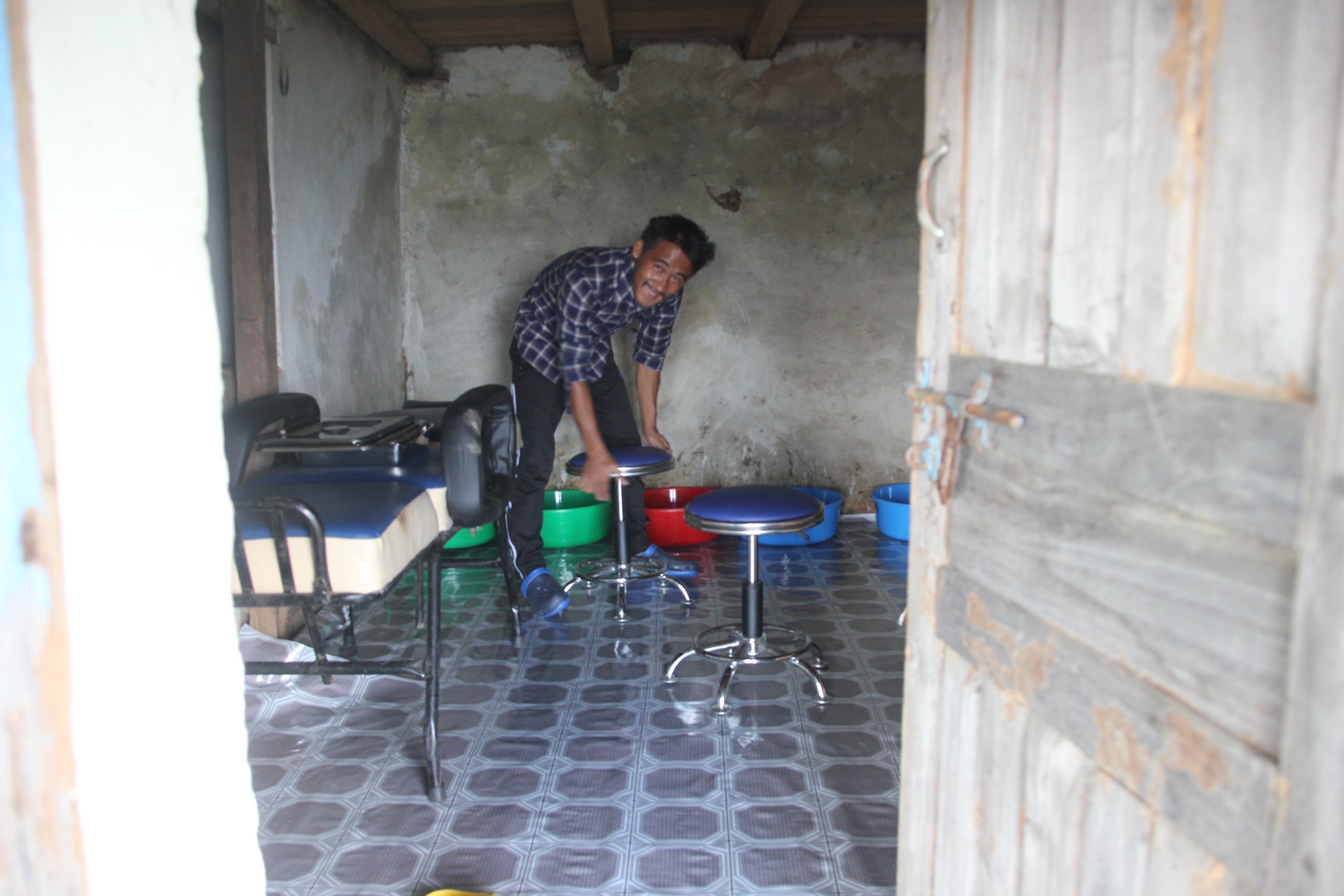
A few hours of washing, drying, and setup, and things are improving already. This room will need a nice bright coat of paint on its stained walls – we provide the paint, the team does the labor – but for now, here is JOHC Technician Jagat Dura in his new office!  And we’re not even at the best part yet.
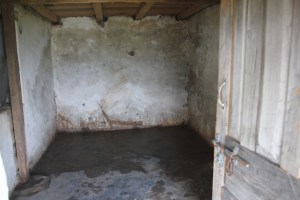

IMG_2994IMG_3001


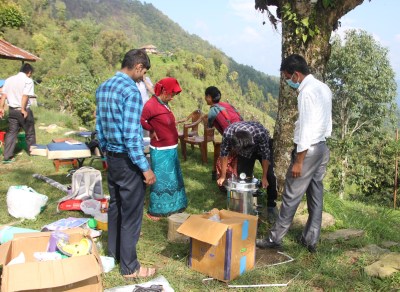
During our pre-opening day, a veteran technician and our medical field officer go over everything from top to bottom with the new technician (who’s already had weeks of training before this) and clinic assistant.  It was awesome watching Megnath Adhikari, who started with us in 2013 and now runs the Puranchaur clinic, reviewing with the new clinic team everything from how to put the top on the autoclave to how to fill out the patient forms to when to change their gloves. Our infection control protocol, when followed, is stricter than that observed by many field teams and local hospitals. The new teams always look so new and wide-eyed that it throws me off every time. To be fair, imagine if you took a few weeks of training in dental medicine, and then, say, your congressman came in and asked you to pull their tooth out?!  But then, as the months go by, inevitably these green clinical teams turn in to people like Megnath, who started out with sagging jeans and a quizzical look, too. This growth in skill and confidence, which I’ve witnessed over and over, is one of the coolest things about this program. It inspires me to believe that this is a system that could be deployed widely by the government with the right investment in training and resources.
IMG_2986

Senior technician Megnath Adhikari reviewing use of the autoclave with the Sindure team

In the evening we stayed at the home of our technician, Jagat. His mother cooked heaps of food and poured us one cup of local moonshine after the next. I was so tired I kept falling asleep and had to get out of bed for each succeeding round of dinner.  And still…the best part is yet to come.

Sindure is a predominantly Gurung area with different traditions of respect than many of the other areas where we’ve worked. The local President had spent the evening with us, and after everyone was overfed, it was time to sit around and sing for a while. I’m not a very good traditional Nepali folk singer, but I’m a decent self-taught drummer and chime-player. So, having secured an empty plastic bottle and a set of tin cups, I am confident saying my role in this process was solid, although you can’t hear it in this video cause I was filming.

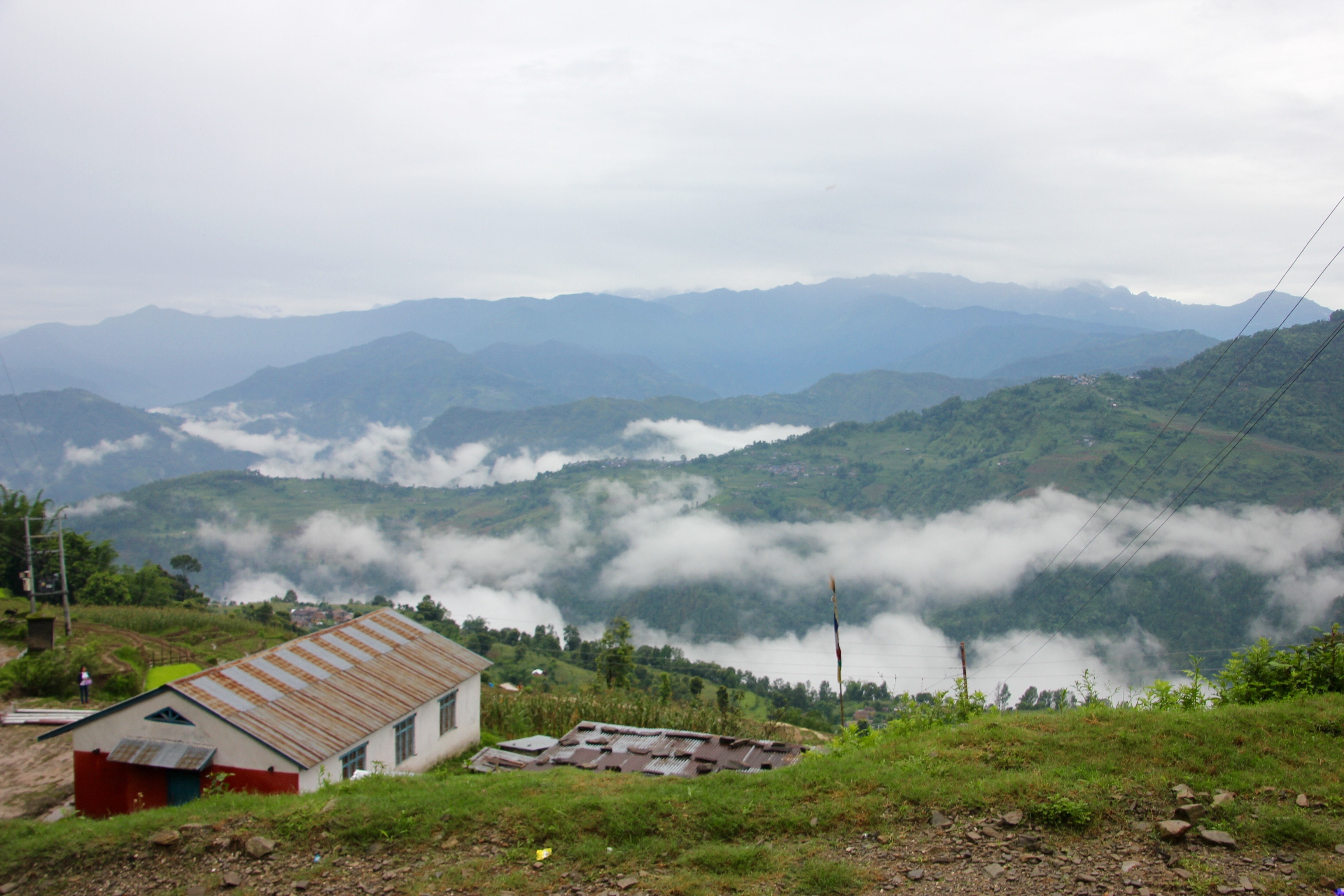
The next morning dawned in a downpour, which cleared as we made our way to the clinic for opening day. The clouds nestled down in to the hills like cotton and we climbed up over them. Sindure was too beautiful to leave out a scenic photo.
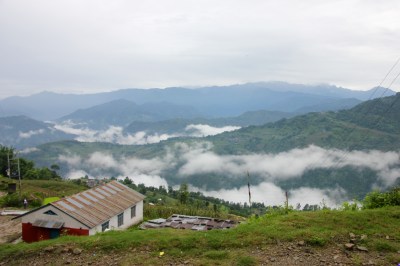
IMG_3067

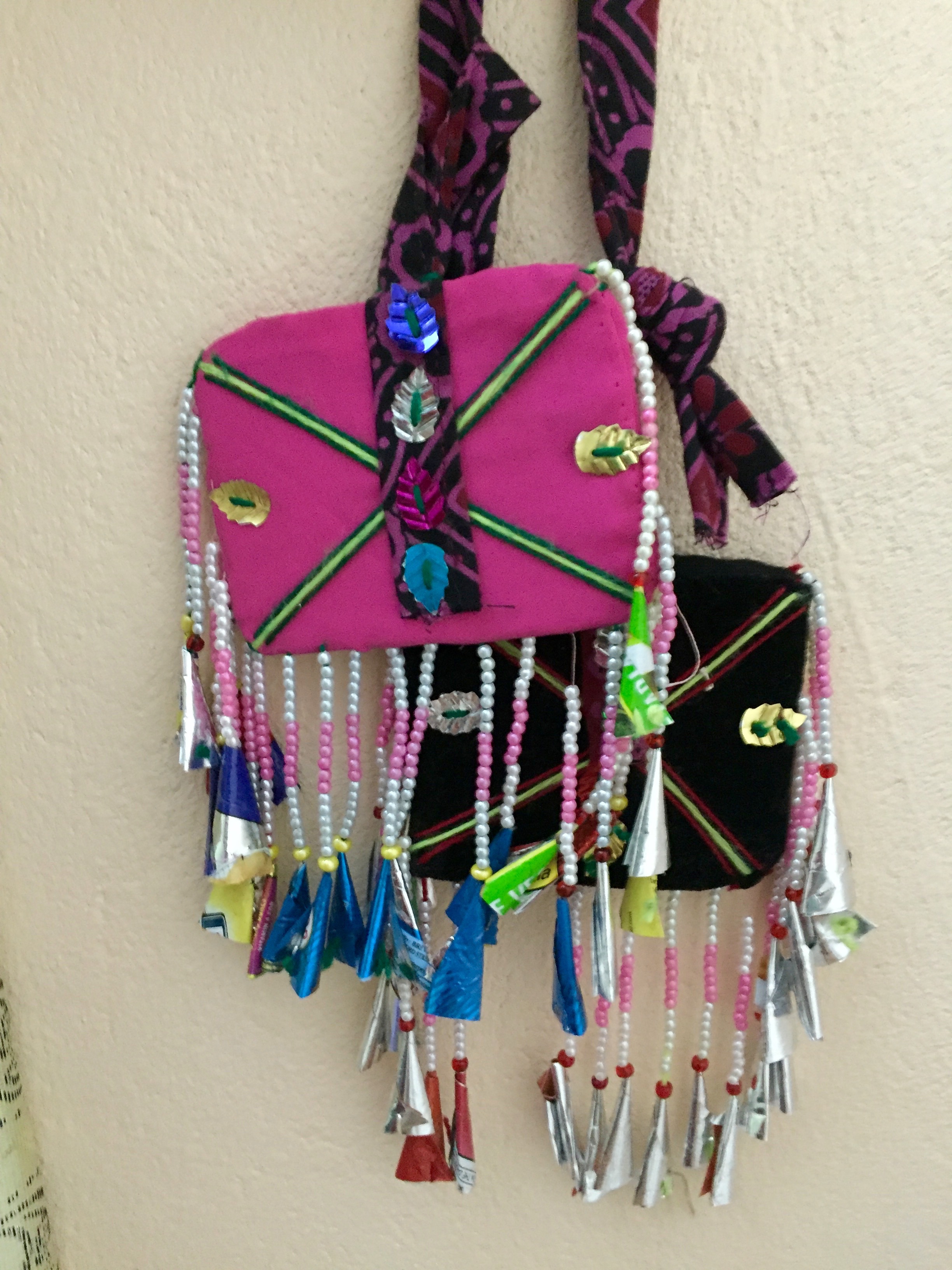
In an opening ceremony, we were each given gifts, and I received the finest one, a magnificent Gurung-style ornament made by our technician’s grandmother. These shiny dangles are made from cracker and candy wrappers! I love this thing.

IMG_8768

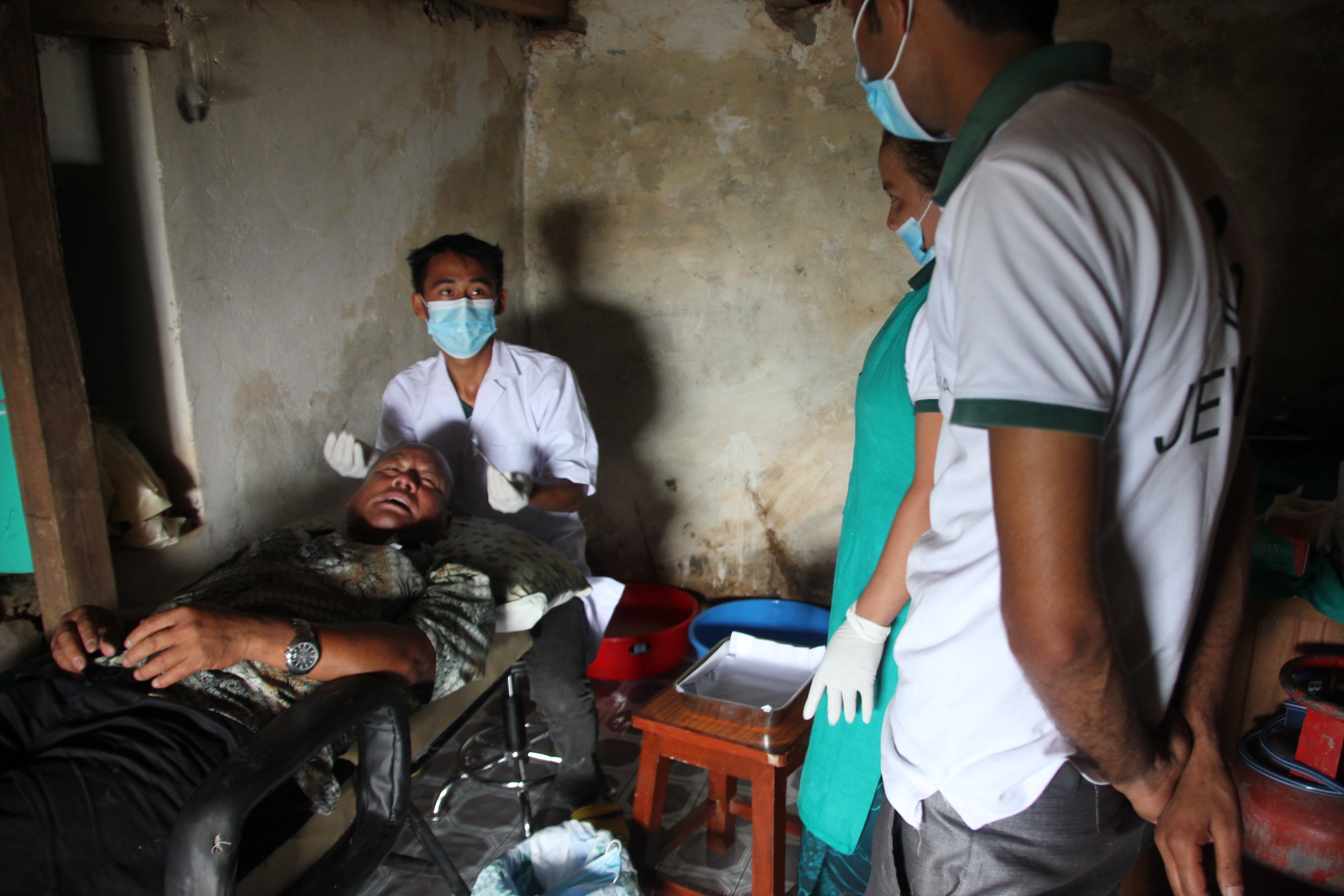
The door to the clinic was officially opened by the Singing President, who had apparently recovered from last night’s revelry and lay down honorably as the first patient.  Jagat performed his inaugural checkup, supervisor standing by, with a crowd peering in the door and looking very enthusiastic about this whole thing.  Who knew dentistry could be this entertaining?!  And we’re still not at the best part yet.
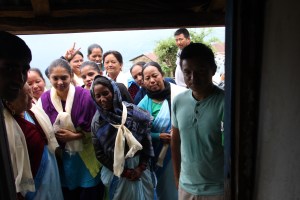
IMG_3107

IMG_3117


Now then…nothing like showing off your new filling!
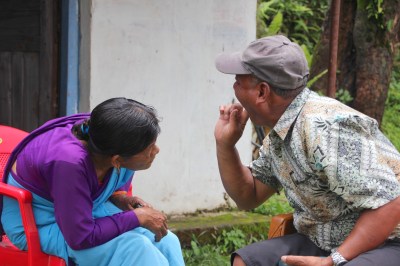
IMG_3220


It is currently the busy rice planting season, which is about the worst time of year to open a dental clinic because everybody is in their fields. Nevertheless, we had a pretty solid attendance from a fleet of Female Community Health Volunteers (official women’s health workers trained by the government) and some other folks here and there.

We plucked various people off the road, such as one man walking by on his way to plant rice. All in all, the new clinic was inaugurated with about 25 patients, with Megnath carefully supervising the new team, and seeing that was especially gratifying.

As our day was coming to an end, I happened to look up at the sky. And for only the second time in my life – the first time being on the sacred day thirteen after Mary passed away – I saw the following sight:

IMG_3194

Look! I cried, look! Everyone turned their faces up and let out a collective breath of delight. I ran over to a clear patch of ground to try to get a picture, but my camera was having trouble focusing while pointed directly in to the sun.

“It looks just like a roti!” exclaimed the man who had stopped by on his way to plant rice.

Now then, my mind chirped, this must happen a lot. Weather patterns are repetitive; I mean, I know where to find all the rainbows in Kaskikot, and in what sort of light. It’s so predictable that I’ve usually climbed a hill and pointed my camera already by the time a rainbow is emerging. Still, I consigned, how lucky for me to receive this lovely gift today in a brand new place.

“Do you see this kind of rainbow often?” I casually asked the man who had stopped by on his way to plant rice. To confirm my suspicions.

“I see rainbows all the time,” he said, “bent sideways like this. But I’ve never seen this kind of round rainbow in my life!”

I clicked and clicked in to the sun, and the shutter went off only one time. Almost immediately, the clouds moved back in and the wonderful roti faded away.

Later that night, after a long, bouncy and exhausting ride home, back in bed in Pokhara, I lay in the dark and pulled the photo up on my phone. I turned it this way and that, looking for something. I kept thinking of Mary saying trying to show me the big hand in the sky, and how I couldn’t find a thing until much later. I zoomed the photo in and out and scoured for clues. Then, tired and lonely for her, I held the phone back and sighed. And there, right where I couldn’t miss it, was a perfect Buddha, the sun shining from its heart.

Once I saw it, I couldn’t not see it.



As a little extra flourish, an unmistakable smiley face, etched off to the right hand side, grinned at me as if to say: how obvious do you want me to get, you little shit? I clicked my phone off and fell asleep with it lying near me on the bed.

Welcome to Sindure, world.

*

A Life of Love

A Life of Love
The Video Nepal’s Been Waiting For


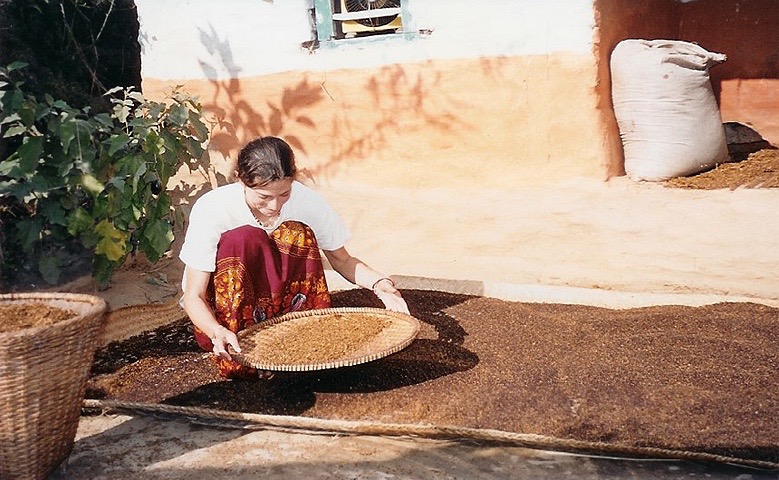
In thirteen years, I have spent at least one of every season here.  I’ve cut rice and planted millet.  I’ve harvested wood.  I’ve cut wheat, and planted corn and churned milk the old fashioned way.  I’ve chased the chicken around and painted the house for Dashain.  Most of these things I’ve done multiple times, and believe me, I received plenty of impassioned feedback as I tried them out.  These are all activities people in rural Nepal learn from toddlerhood.  Seeing a grown woman who can’t flip a pan of rice grain properly is basically impossible not to comment on.

Dec. '03

I’ve pretty much learned a lot of these things because I absolutely insisted on doing them terribly while I figured them out.  In some cases, I’ve really earned my stripes.  In others, let’s just say that people have become happy with the American version of, for example, collecting water.

But there’s one season I’ve purposefully avoided, and it’s the rice planting one.  Even tasks I don’t much enjoy, such as those involving fertilizer (i.e. buffalo poop), are things I have determined to throw myself in to.  It’s like how, when I used to take winter diving lessons, we had a “fun day” where we got to use all of the diving platforms at Montgomery Aquatic Center, and that meant that, for fun, I had to make myself jump off the petrifying 10-meter platform that was level with the third-floor spectator section.  I absolutely hated fun day.  But it never remotely crossed my mind that, if the 10 meter platform was available, I wouldn’t jump off it.

This brings us to the topic of the hot, buggy, wet rice planting season.  I think you get my point.  I stayed in the U.S.  No fun day.

It’s not like this was very clever and nobody noticed.  Every year I am asked when I will come to plant rice.  People will list all of my accomplishments to date, and exclaim as to how I have never participated in this one activity that is so central to the culture and basic survival of Nepal.

Ok, so here it is.  I determined to jump off the 10-meter platform this summer.  Partially because as you get taller, it doesn’t look as high.  I over came my distaste for the idea of the monsoon last summer, and this summer, I appreciate the torrential rain tremendously.

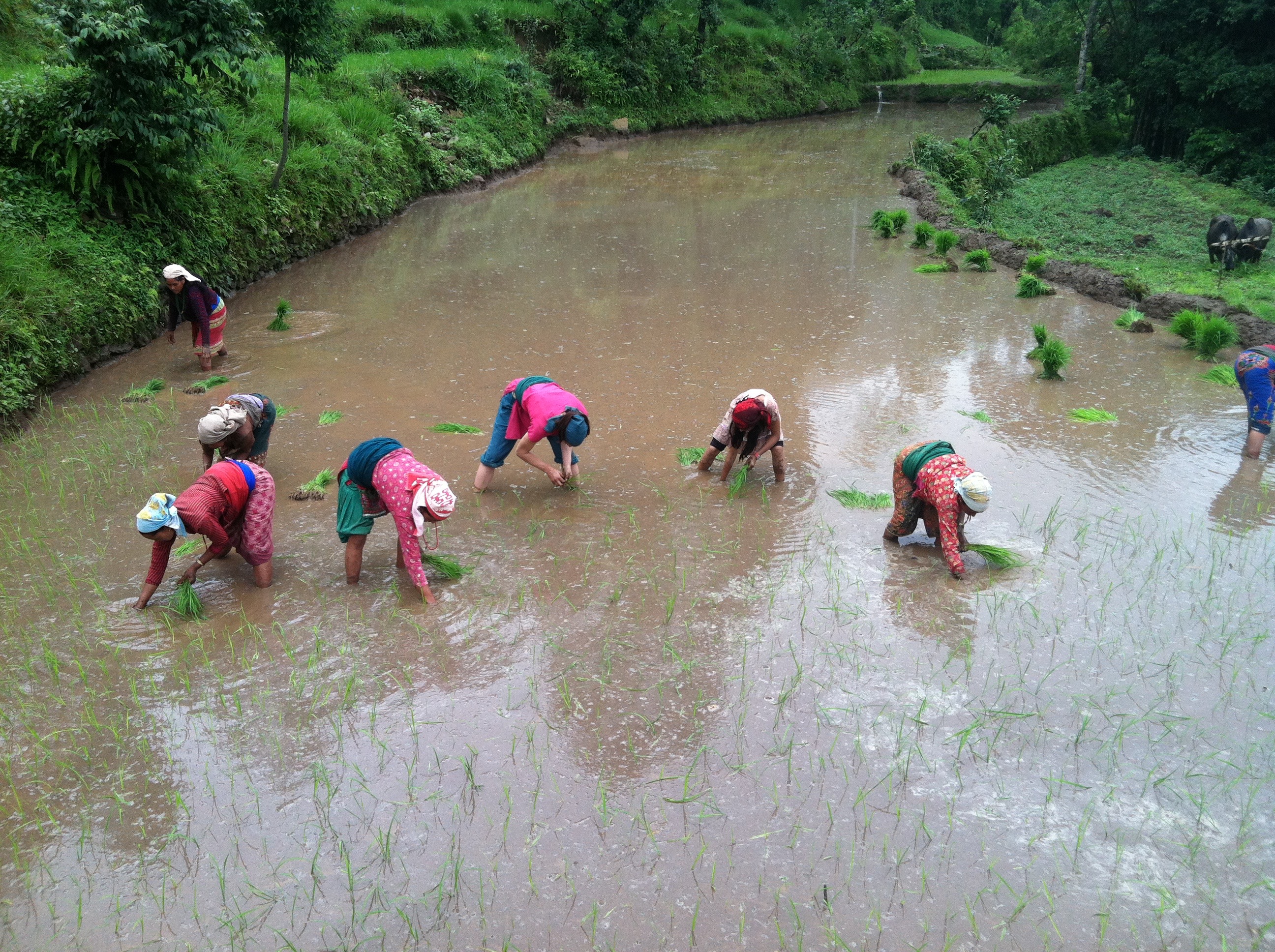
So last weekend I joined Saano Didi’s family in their rice paddies.  Govinda’s daughter Sulojana came with me.  And the amazing thing about waiting 13 years to do this: not one person cried out at how terrible I was at planting rice.

IMG_0801

“You have to teach her, sikaunu parchha, you have to teach her,” all the ladies cooed.

Silky mud, bright clothes, plants in your hands.

“Laura, you’ll be back in November, right?” Neru asked.

“Yep.”

“Because that’s when we can eat this rice.  Make sure you’re back.”


Waiting Out Rain


I’ve just arrived in Nepal, and the dust and diesel is shining on the streets of Kathmandu, stilled by summer rain.  Honestly for a whole decade I didn’t want to be here during the hot and buggy monsoon, but last summer I discovered that of course, like any season, the rainy time has a unique and indispensible magic.  The water clatters and pounds, washing everything and making us wait.  It comes down too hard to walk around or do anything.

Just wait.

It’s strange to re-enter this season which was so intense last year, when I arrived to a stunned and grieving city dotted with blue and yellow tents.  It seems that this country has basically just plugged on, absorbing the earthquake on to its pile of other messes, the unlucky people who lost the most – possessions, limbs, relatives – doing what people do: surviving.  The next day just keeps coming, and for anyone whose life wasn’t irreparably altered, that catastrophe isn’t the topic of conversation any more.

Things for me, however, have changed a lot.  When the earthquake threw us in to the ring with the big multinational agencies, it helped show our tiny staff the value of our community-level expertise.  This spring we launched our dental project in Lamjung district where we did earthquake relief.  

In the fall I also started a Master’s Degree in social work, and I’ve been able to incorporate a lot of what I’m learning in to our program right away.  Guys, seriously, a lot of this stuff I’ve been trying to explain has an entire body of theory and practice associated with it called human rights!  People are doing rights-based health care at the United Nations!  I found out I am basically an expert on rights-based dental health care in rural Nepal…WHO KNEW?!  (Who becomes an expert in that by accident?)

Ok, just wait.

Also, a few years ago, we thought we should do some baseline surveys in our villages.  Not too focused on the concept of sample sets, we thought we’d survey ALL the households…3,374 of them distributed over various hills and more hills, actually.  Because as long as you’re doing it, do it, right?  I wrote a survey with input from various people, we trained some high school students as surveyors, and just last week – 2 years later – we completed a 58-page report on this survey (thanks, Sarah Diamond!).  Come to find out there’s very little current research of this kind in Nepal, and this report is a thing.  I am taking it around like my visiting cousin and introducing it to everyone.  Here is a picture of our report.  Let’s call her Cousin Mae.  She’s in color, with pie charts and clones and everything.
FullSizeRender-2
All this has come together in a very cool way.  Over the course of this year, three major U.S. Universities have developed a potential interest in partnering with us for research or medical collaboration.  It feels awesome!

So with all that in mind, this summer, I’ll be doing a few things:

  1. Visiting each of our ten clinic locations (past and present).
  2. Establishing a Rural Dentistry Coalition in Nepal to advocate for policy level recognition of our model, so that rural dental clinics can be established systemically for all villages through the national health care system (eventually).
  3. Laying groundwork for future research partnerships (hey, positive thinking!)
  4. Revisiting some of the places we did earthquake relief  (unforgettable)
  5. Planting rice with Aamaa and getting myself in to as many embarrassing situations as possible (inevitable, really).

IMG_6059 (1)

I am very ready for all of this following knee surgery in February.  At physical therapy, I do a warm-up each day where I put the treadmill on “maximum incline” of about 20 degrees and walk for 10 minutes.  Yay!  Now I am here and our newly launched Sindure Clinic is reached by a 5 hour hike.  That means physical therapy + dental clinic supervision at the same time.  This is not a deal you can find just anywhere, people.  Take note.  It’s not even a limited-time offer.

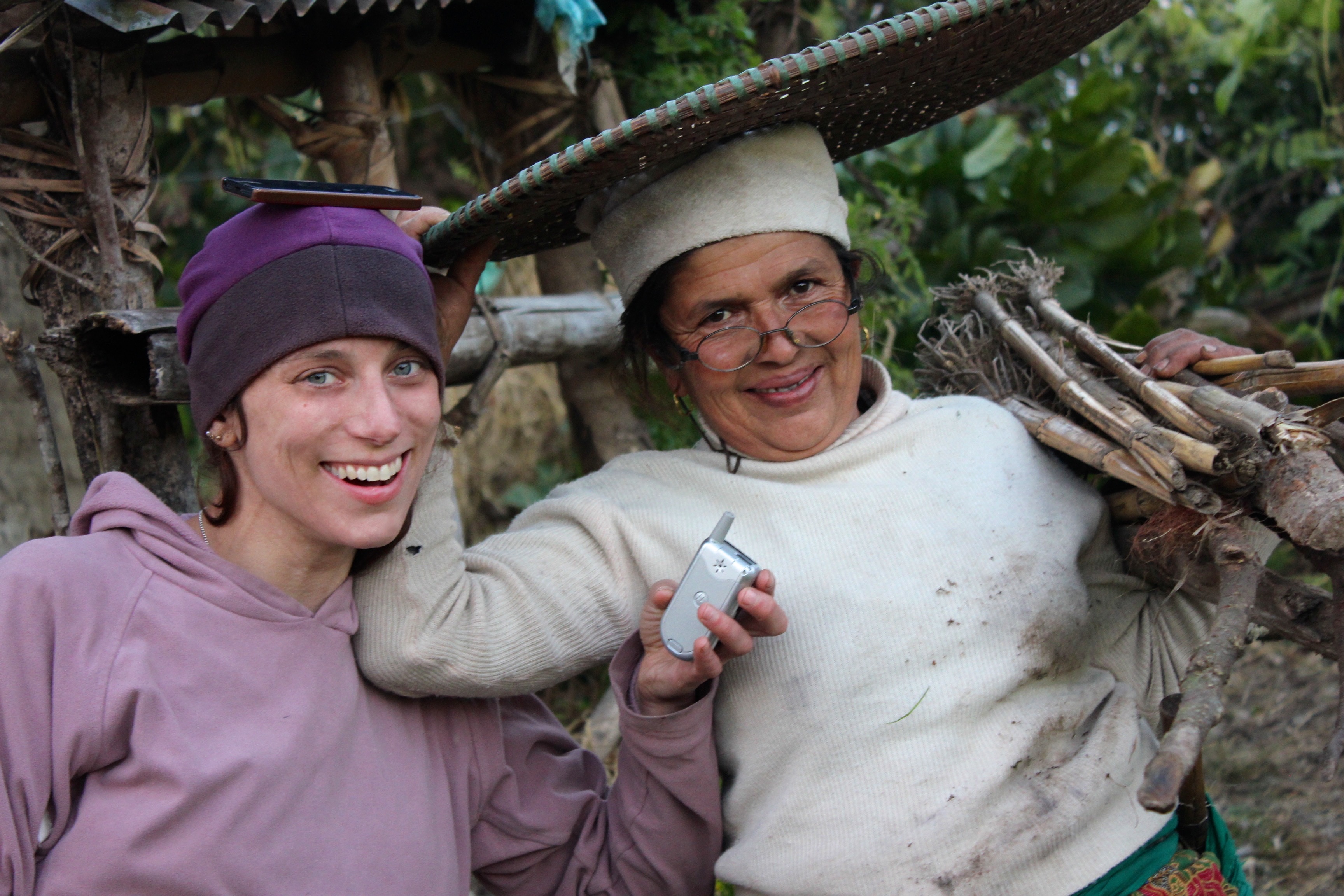
I’ll sign off with a few lines from a recent article in the Guardian that I really appreciated.  It can be very hard to stay motivated doing this this kind of thing, even though it’s true I sometimes get to pretend my iPhone is a grain-sifting woven pan and put it on my head, and we can reliably say it’s not a cubicle job.  But the pervasive story of the American (Social) Entrepreneur is hard to see past, with its celebration of saviorism, speed, and simplicity…as if there’s an equation to solve or a prize at the end.  But society doesn’t work that way, and often building things is just hard work.  You only stick out when you screw up; most of your ideas are 78% wrong the first 8 times, but there’s something good in there; when you disappear, that means it’s working.  If being humbled isn’t exalting, you’re in the wrong business.  I decided to tape this bit up on my door:

“I understand the attraction of working outside of the US. But don’t go because you’ve fallen in love with solvability. Go because you’ve fallen in love with complexity. Don’t go because you want to do something virtuous. Go because you want to do something difficult. Don’t go because you want to talk. Go because you want to listen.”

And then…just wait.

*

IMG_6334

Moving Still


An exciting week of office work led up to this year’s Maghe Sakranti, which always seems to coincide with some travel experience, astrological event or, in this case, Aidan’s 8th birthday, IMG_3858which, if you think about it, is the same thing.

The main topic of my conversation with Aidan and Pascal since I arrived two weeks ago has been black forest cake. Birthday cake came in vogue in Nepal about five or six years ago – as far as I can tell, it was discovered on TV, and has been translated in to an epic mashup of east-west-birthday-wedding-puja sort of candle-lighting experience that is not to be missed. Anyway, after a hectic week of office meetings and shopping for light fixtures, I caught the last bus up to Kaskikot on Thursday to head home for Maghe Sakranti with birthday cake for Aidan.

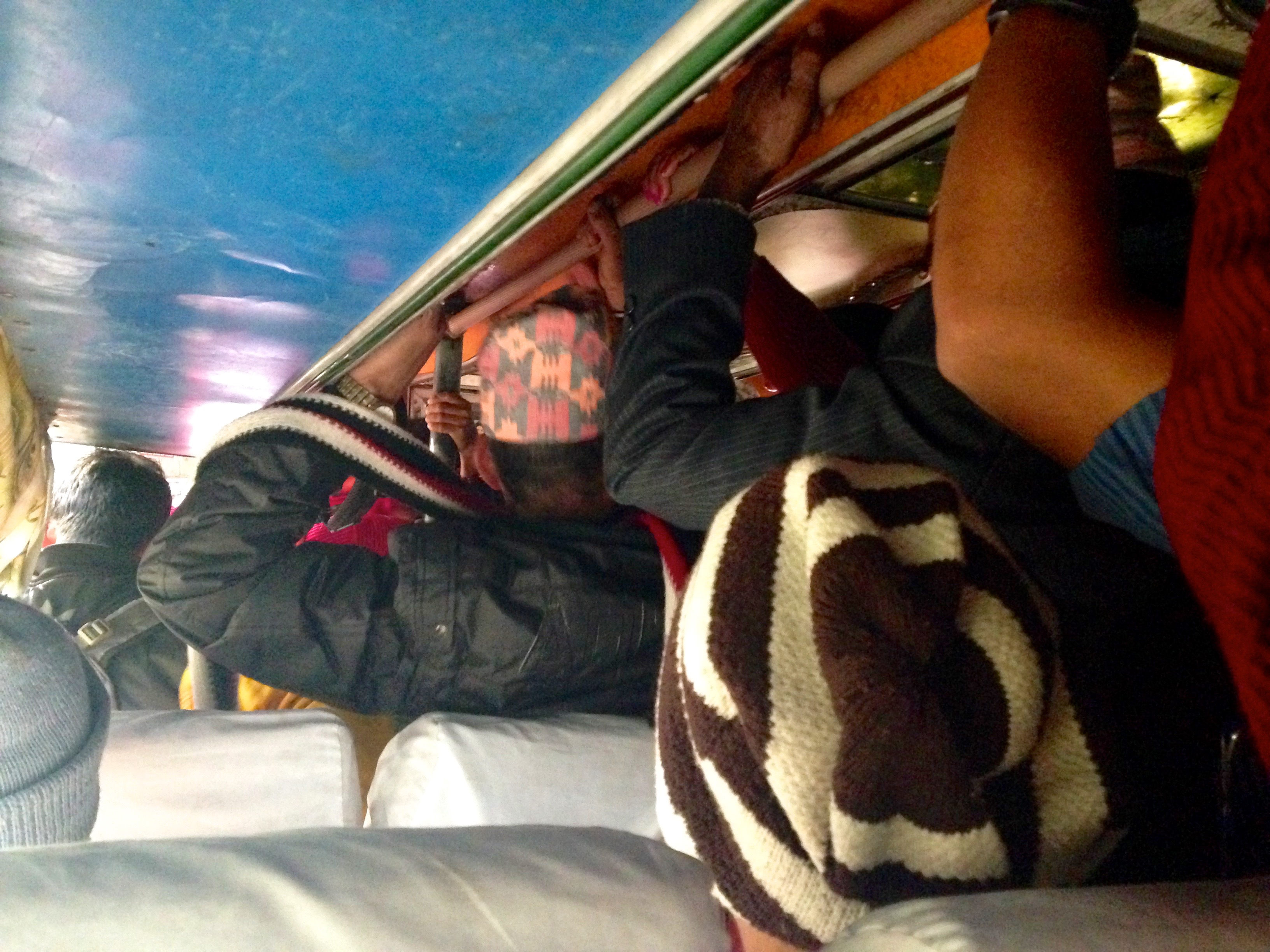
Because of Maghe Sakranti, the bus was packed with people heading home to Kaskikot. “Kaskikot packed” means that there is no standing room left inside the bus, and additionally, the people with poor tactical skills who’ve sat in aisle seats have someone’s butt in their ribs or armpit or smushed directly onto their faces. Most definitely, all people with seats are holding either a random package, bag of tomatoes, or someone else’s child on their lap.

As a master bus-rider, I possess a hierarchical mental catalogue of exactly which nooks and crannies make for a tolerable ride relative to a shifting set of variables. I approach “Kaskikot packed” with the focus of a honing pigeon.

IMG_4380It is immediately obvious that today is a top-of-the-bus day. Air is high on my list of prioritized variables, and all of the strategically located nooks and crannies inside the bus are taken or have been invaded by the limbs and odd angles of people who are technically not using these spaces. It’s a total free-for-all. For some reason, Nepalis have an awe-inspiring tolerance for this kind of physical disarray; I on the other hand, while happy to fit myself in to a pretty small nook, need it to be evenly balanced on all sides and protected from random entry, no matter how small my zone is.

Never fear, this is situation is accounted for. I hand Aidan’s cake to the Ticket Bro – all the guys who collect money on buses are Bros of the first degree, with wiry bodies and saggy pants – and clamber up a metal frame to the roof of the bus. The Ticket Bro, who knows me well (ok, I stick out, and besides I’ve provided many unreasonable entertainment opportunities for the general bus-riding public), hands Aidan’s black forest cake up to the top of the bus. I wedge it in flat between a box of beer bottles and a floppy sack of mystery items that’s soft enough to sit on. Soon I too am wedged in evenly on all sides by other passengers, which is exactly the way I want to be. I bend my knees protectively over the cake and we lurch away. The climb to Kaskikot isn’t a long distance in miles, but it’s all up, one switchback whipping around to the next.

The air begins to rush past and in settles a familiar, soothing reeling. The bus is climbing and honking, people are sticking out every which way, we are ducking the occasional branch – FWAP! – as the trees whoosh by. A wave of exhilarating calm envelops me, soft and malleable.

There have been three accidents on this bus route since in the thirteen years I have been riding it. Each time there is a bus accident, everyone including me swears off this road, these good-for-nothing-regulations, these drivers. The police crack down on the rules; buses are improved and added to reduce passenger load. The new bus I am on today looks like a greyhound, with upholstered reclining seats. But inevitably, the people turn this bus in to a wild beast. It’s inertia.

IMG_8687It just can’t be avoided.

Which, in a way that’s hard to explain, is why it’s so calming. Like in many poor countries, there is no illusory order here: everything is paint splatter all the time, and nobody’s pretending it’s something different. Everyone is hanging on to the spinning planet with one finger, and it is still working, at least until it’s not. Over time you realize that you too are paint splatter. You might think you aren’t now. But when order falls away, all of us are wilderness.

After the tragedies that have happened on this road, I know I shouldn’t admit it’s thrilling to catch the bus just in time, climb up to the roof, and duck branches while people talk on their phones and sway side to side eating peanuts like we are on Amtrak. But it isn’t a thrill because it’s dangerous (for the record, in purely statistical terms, driving on the beltway is just as dangerous)… it’s a thrill because it doesn’t feel dangerous. It makes sense. Because we are all flying through the trees together; because chaos and order have switched places, and everything fits despite the appearance of anarchy, and we are not dead yet.

In the mean time, some racing tiger inside of me catches the trees dashing by. I can feel the grumbling pavement even from up on the roof of the bus, and the Ticket Bro heedlessly climbs up and down the side of the bus like a chimpanzee while it is whirling around a corner. The valley below us recedes, and that wild thing in me, with a racing companion to match its speed, is still.

I’ve found this pocket of tranquility in other fast places.  When I catch a seat on the back of a motorbike and take off, zipping up my jacket. When I’m flying down a path in the trees with a sickle and rope in my hand, my flip flops smacking tap-tap-tap-tap on the rocks. Occasionally I have whirled into this thing when jumping on to the subway in New York, snagging a tread of some larger tapestry in the crush of a ten-million-person city with a trillion little shards of disorder that still fit in to something bigger.

In the subway, this is a private knowing. But on this bus, the miracle is out in the open for everyone to see: unruly, electric, FWAP! It’s still working.

IMG_8691

As we climb the lone road up through Sarangkot and closer to Kaski, people filter out at their homes, lugging their bags and boxes and children. The Ticket Bro clambers up and tosses bags off the top of the bus, and our resting props are gradually removed. My stop is the last stop. Soon all the other passengers decide to move down inside the bus, but because I am a honing pigeon I know that none of my approved nooks inside are available yet, and I stay on top of the bus, alone with Aidan’s black forest cake. I lie down so I don’t have to worry about oncoming branches, and crowd myself in with boxes and sacks to block the breeze, and float up the road on my back, watching the night sky roll by. My thoughts spiral in and out, moving still.

Of course, I can’t see where we’re going from this position. No problem. This road only leads to one place.

*

IMG_8702

Memorable Trips


It has been six months since our post-earthquake housing projects in Archalbot and Bharte. We’re launching dental programs in or near these areas in 2016, so today Aamod needed to visit the Lamjung District government offices in Beshishar to get signatures that are required complete agreements in our new sites.  Yes, this sort of thing must be done in person in Nepal, not by fax or email or any other method, so Aamod has to travel 3 hours from Pokhara to Besishahar to get the signatures.  We decided that Dilmaya and I would accompany him to Lamjung and get out a few kilometers before Besishahar to visit The Bamboo Village in Archalbot. We wanted to see how everyone was were doing, and we also had to decide what to do about the earth bag house that didn’t get finished over the summer.

12540744_10153467334264087_2380862383026066020_n

Three good looking people suffed in to two front seats in a van to Lamung

We decided to go with local transportation.

There is a fuel shortage right now due to strikes along the Indian border, so prices for gas have skyrocketed, and most regular people are getting their cooking fuel on the black market. Transport has compensated by raising prices, by running fewer buses and taxis, and, obviously, by stuffing even more people in to the same number of car seats.

I took tons of photos last summer when Archalbot was building, so today we brought prints to give back people. I highly recommend this practice – it’s always much appreciated because until cell phones, most people had very few photos of themselves. Even now, sorting photos is always An Event. Older people will people examine each thing in the photo in great detail – the buffalo, the way their sari is tussled, the water pot in the background – and will ask questions like, “Only one of my sons is in this photo. Where is the other one?”

The first house we arrived at belongs to one of the last houses we helped with.  Last June there were about ten people with a few babies living in the tiny house hidden behind the clothes line.  Now they are still living in their new house and it looks great.

IMG_1893 IMG_1897


While we were talking with this family, people from Archalbot started to notice us and come shouting excitedly down the road.  Remember Uttam’s sister in law, and the day she and her husband left to go cut bamboo after much cajoling?  She came bouncing down the hill shouting out to Dilmaya and me.

IMG_1901

The next house we came to was Uttam’s family – I admit this house is tied with the Golden Cottage for my favorite of all 150+ houses we helped with after the earthquake. I was thrilled to discover that, while living in the shelter they built last summer, Uttam and his brothers rebuilt houses on their own land. Just four days before we arrived, they had relocated the tin roof we provided on to their new stone house, which has yet to be completed and plastered. What a fantastic example of everyone pitching in the thing they have, and of the dignified resiliency that is so characteristic of Nepali people.

IMG_0555

July 2015

IMG_9440

June 2015


Uttam's family recently moved their shelter tin on to this new permanent house.

Jan 2016 – Uttam’s family recently moved their shelter tin on to this new permanent house.

Uttam’s older brother had also rebuilt his house – so the whole complex has moved back on to the family’s land in six months time. I was really pleased to see that the older brother’s new house is made from plastered bamboo chim – the same building style we pressed people to use when we provided roofs for the original shelters. This house is actually cheaper and far more earthquake resistant than a heavy stone house (you can see Uttam’s stone house in the background).

IMG_1936

We spent a lot of time giving people photos of themselves. This activity produced too many great moments to choose from!

This slideshow requires JavaScript.

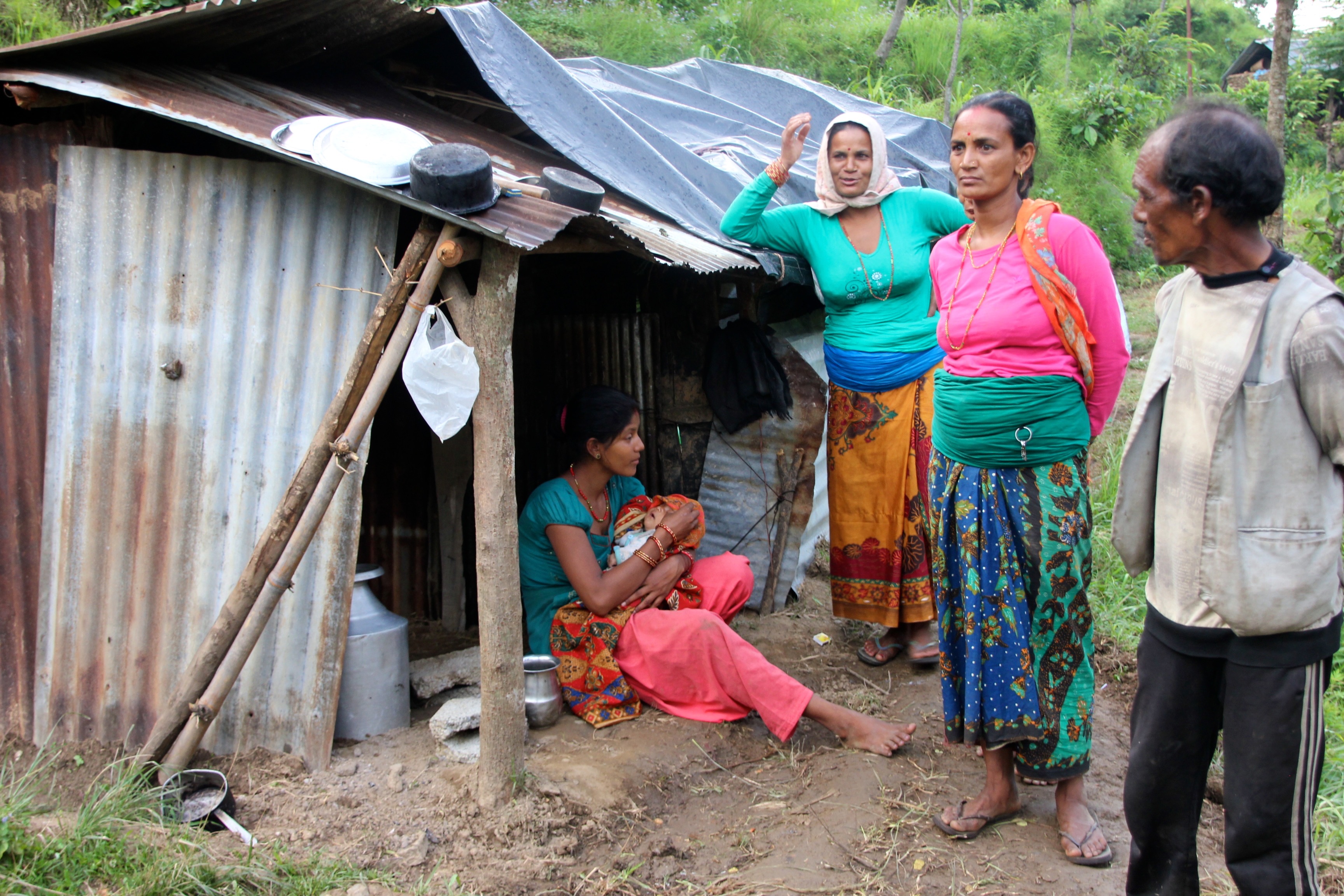
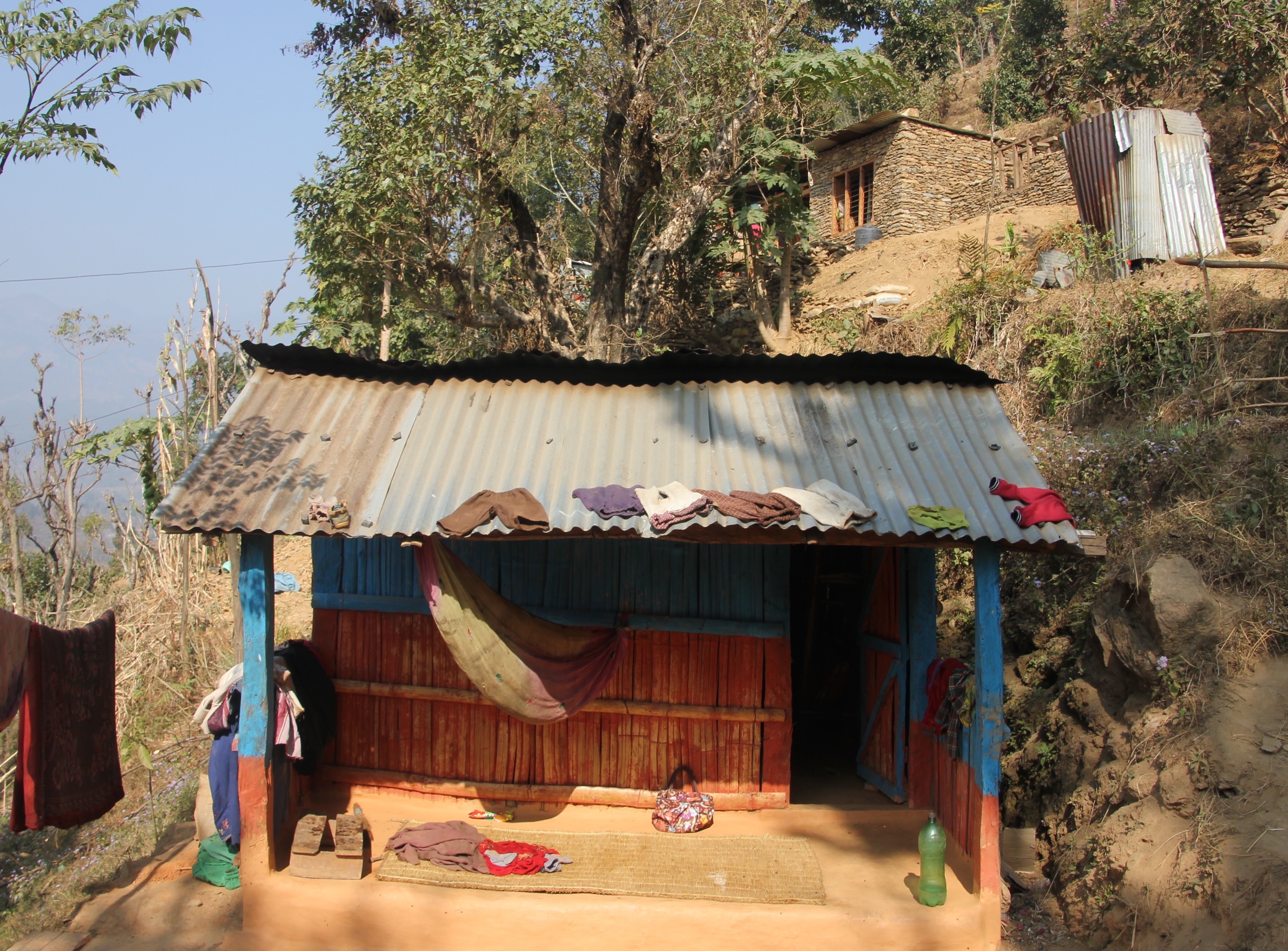
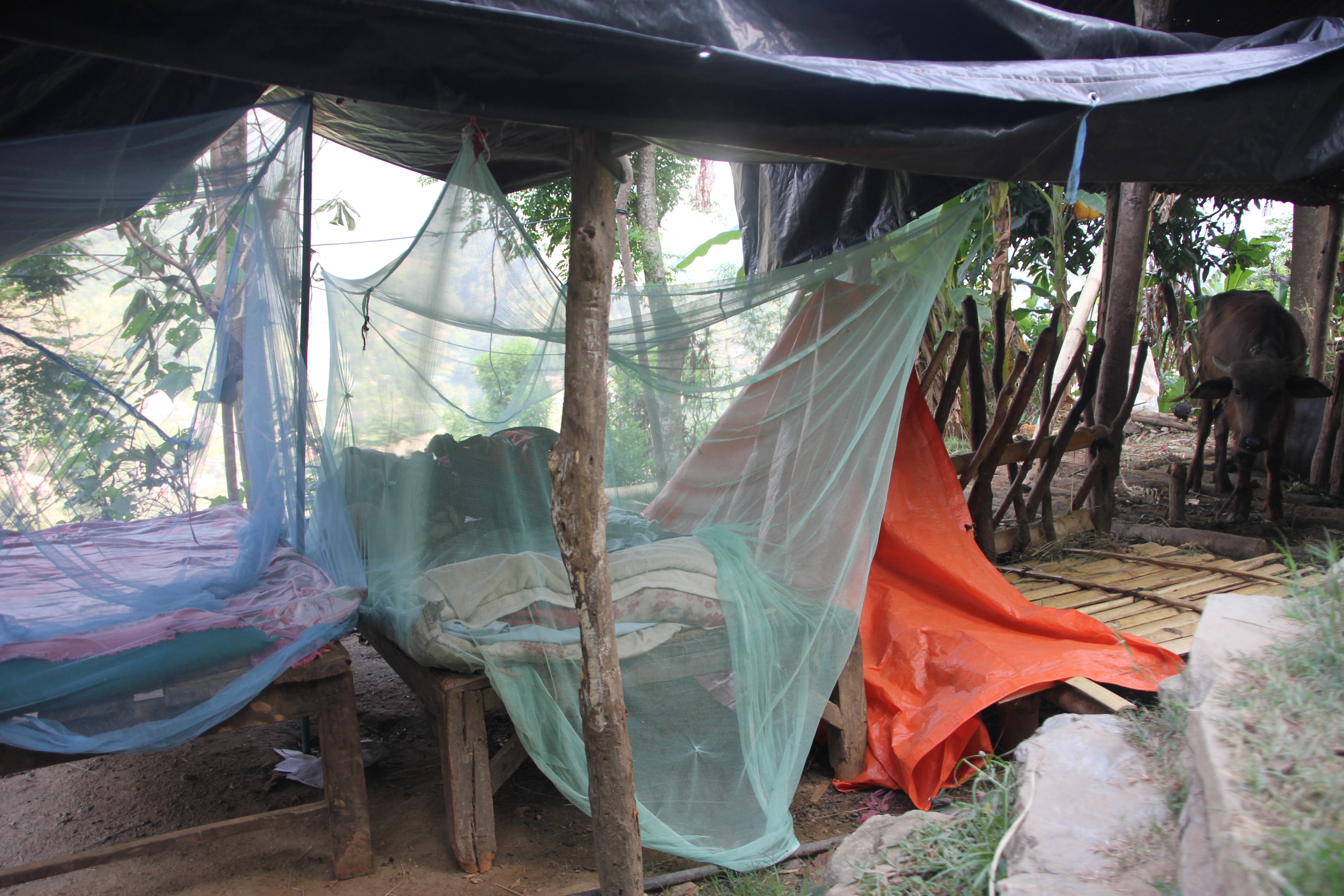
Overall, the houses that we helped people build in Archalbot look good. In a few cases, people are living in them full-time. In many, they are sleeping in their bamboo shelters while cooking and storing belongings in their damaged houses. In a few, the shelters remain but aren’t being used, either because the family has relocated altogether or just decided not to actually stay in it. Kripa’s family used their tin to rebuild the buffalo shelter where we glamped.

Glamping, June 2015

Buffalo & Goat Hotel, Jan 2016


The earthbag house is an interesting story. Our role here was as facilitator – my friend Robin had training and materials to build one earthbag home, and we provided a connection with a community that needed a house. I documented this process last summer right up to the point we had to put the building on hold for the monsoon, with promises to return this winter.

Well here we are this winter. The family with the half-earthbag, half-bamboo house has built a pretty impressive collection of houses out of it and they are living there full time.

There are many things I have to say about the earthbag house, so I’ll write about that separately. One of the things we had to figure out on this visit was whether or not we had enough manpower in Archalbot to call Robin back with tools and supplies to finish the house….and the answer was no. So this earthbag/bamboo house will stay as it is, which is a bit frustrating, but that’s that.

After tea and snacks back at our HQ in Kripa’s house, Dilmaya and I left Archalbot and walked back down to Bote Orar. We crossed the bridge that has replaced the one with a loose cable that held us up in the muddy road with a ton of corrugated tin for an hour and a half last summer. We got ourselves some knockoff Redbull in homage to the gallons of knockoff Redbull that kept us going during those hot months.

Aamod came reeling down the road from Besishahar and we clambored in to another crowded, swervy van. As the day became later we and switched to a bus in Dhumre, we settled in for the last two hours of our journey.

Yes, this is where it happens.  The inevitable road travel story.

As it turned out, somewhere up the road people were striking because an accident had struck someone in the road yesterday. There was a blockade that went for miles.

When we reached the blockade it was already dark out.  Our choices were to either wait it out until some undetermined time in the bus, or to start walking.  So we got out of the bus and set out past the endless line of stopped vehicles, some with people in them waiting for the 100% unpredictable hour or day that the blockade would be opened. The highway wound its way alternately through small towns and the middle of nowhere. We were still over an hour’s car ride from Pokhara.

There were still motorbikes coming by, so we made a plan to divide up.  Dilmaya and I hopped on the back of the first bike that could fit both of us, and rode it up to the mouth of the traffic jam. We waited there until Aamod caught up behind us half an hour later on another bike, and then we walked the last half mile or so to where people where crowded around the usual tires and logs blocking the road.  Behind the blockage was a group of women was sitting in on the pavement, not talking much. Some were fiddling on their phones. It occurred to me that they had probably just lost a family member or close community member on this stretch of road just 24 hours earlier – a strange contrast to the miles and miles of hassle that stretched out from either side of their circle.

Now we started past cars lined up in the opposite direction. Just to be clear: we were not a walkable distance from home.  Even by Nepali standards.

All of a sudden a jeep began rolling out past the innermost barriers of the blockade, headed in the direction we needed to go.  I turned around and saw it was an ambulance.

We sprung in to action. Aamod stopped the jeep and spoke with the driver who, understandably, told us that he could not let us hitch a ride in an ambulance. Aamod got on the phone with his brother in law, who is a doctor, and I stalled by keeping one arm in the rolled down window of the ambulance and talking to the drivers in Nepali.

“Sir, what ever shall we do? It’s quite cold out. We can’t possibly sleep here in the road.”

“I don’t know what to tell you- I’m not allowed to take people in an ambulance.”

“I see I see, but this is an unusual circumstance….” Etc.

I keep at this until Aamod has his brother in law on the phone, which he hands to the ambulance driver. Who then opens the back of the ambulance – and in we go.

And thus our day ends with us bouncing along in the back of this ambulance back to Pokhara. At one point, we drive through a checkpoint, and I lie down with my arm over my face, feeling slightly guilty, while Dilmaya sits next to me looking concerned and wearing a surgical mask that she has with her for general dusty road travel purposes. We roll through the checkpoint.

“Can I get up now?”

“Lie down! Not yet.”

It’s 9pm when we get to Pokhara; the ambulance driver amicably drops me off within walking distance from our office.

As Dilmaya, who was my partner in crime for the entire two-month adventure of our post-earthquake housing extravaganza, said: “Laura miss, our road trips are always very memorable.”

Oh, and one other thing – remember how the point of this trip was that Aamod was going to get papers signed by the district officials in Besishahar?

Yeah, well, there was some kind of meeting today and all the government employees were out of the office. So we have to go back to Besishahar for the signatures again.

*

12524004_10153467352629087_6525138070658968485_n

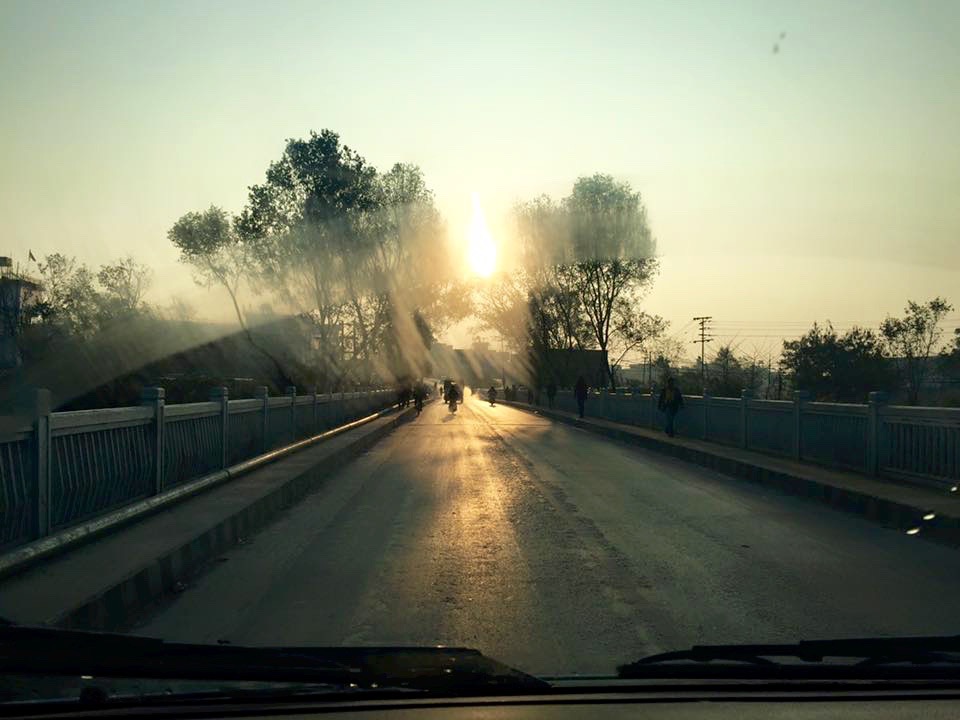
The early morning road from Pokhara to Besishahar


The Walk Home


There’s nothing like my first visit to Kaskikot after having recently arrived in Nepal. Granted, sometimes there’s a year in between visits, and in this case I was here just last summer after a long winter stay. But still – today did not disappoint.

I woke up to the charming experience of Pascal throwing his arm on my head. Let’s face it: this room where Didi and Bhinaju live is too small for all of us now, but we are persevering while the house is being built. It is the nights when I share a bed with Aidan and Pascal that I question my judgment in teaching them taekwondo while they are awake.

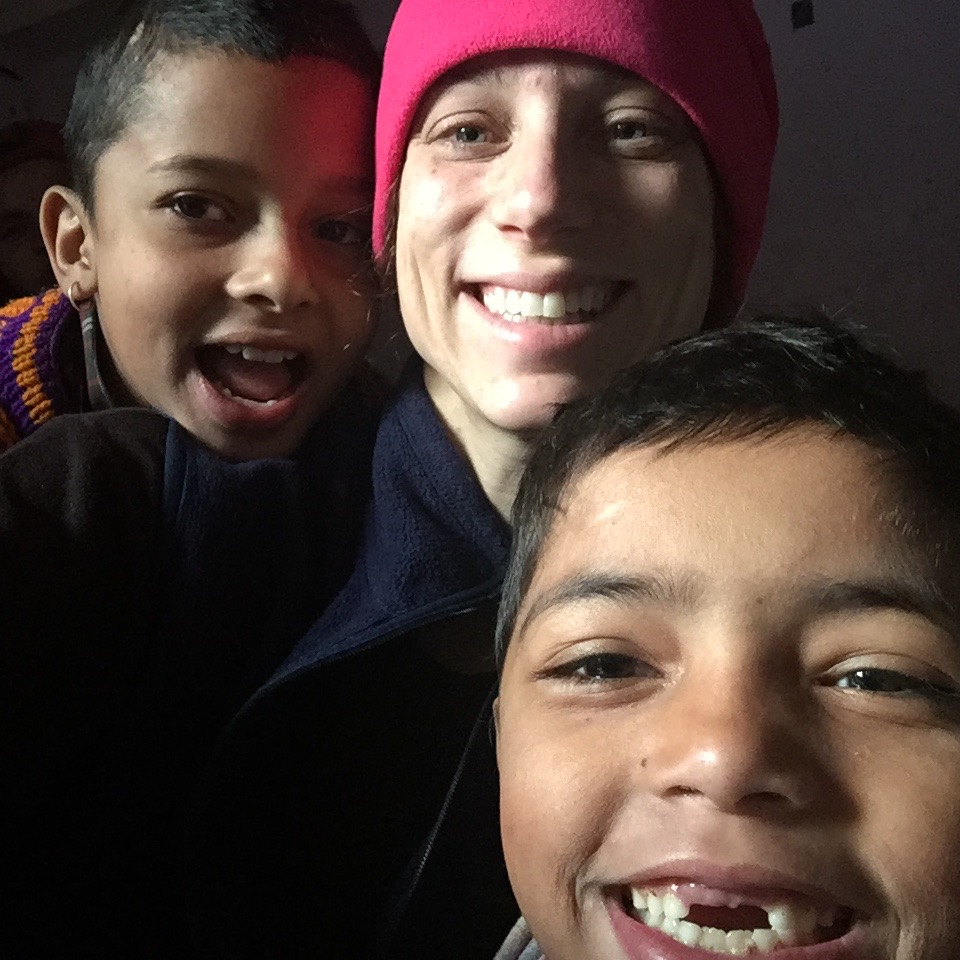
While Didi made tea, we all lay in bed debating whose fault it was that we’d all spent the night practicing kickball rather than sleeping. Then we documented our morning in selfies.

IMG_6095 IMG_6103IMG_6098


Late morning, I met up with some of our graduated Gaky’s Light Fellows for lunch. It was so great to see everyone and hear what they are doing. Sandip is marketing for an online news outlet. Ramesh is deciding where to apply for his bachelor’s in journalism. Nirajan is in Kathmandu, working for Teach for Nepal, and Nischal is entering his second year of bachelor’s. Umesh and Narayan have a solid paid gig singing traditional music each night, and Narayan has his own radio show. Bhagwan is a residential supervisor in a school hostel. When Puja and Asmita finally got there a few hours late, we all made plans to go boating later this week.

Next was getting up to Kaski. With the fuel shortages, this is more challenging than it’s been, as the bus is running infrequently. Not to worry!  I caught the back of a motorcycle ride and then secured a taxi to the bottom of “the jungle path” that climbs straight up from the valley to the house. Forget the bus, man.

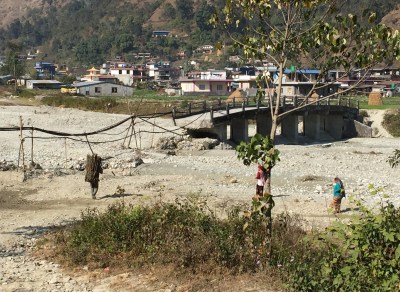
So first of all, at the beginning of this path you have to cross over the Gandaki river, which is usually dry at this time of year, but swells in the summer and fall. We used to wade through it, but a few years back it got this nice concrete bridge. So I’m crossing the bridge, and…it just stops in midair. The last half of the bridge is suddenly no longer there.

It takes me a few minutes to negotiate the drop over the ledge of the bridge with a torn ACL in my right knee that won’t let me jump down on to the rocky bed five or six feet below. I make my way over, progress to the bank a short way away, and there at the bottom of the path up to Kaskikot is this leathery guy resting next to a bundle of wood. He looks kind of resigned. I chat with him for a minute and then he asks for help lifting the bundle of wood.

“My son is really strong, he can carry this kind of load,” the man says woefully. “It’s just pretty heavy.”

Nevertheless, the bundle must be lifted, so we give it a try- fortunately I am more qualified than your average random American to hoist a bundle of wood on to someone’s back so it can be slung from their head and carried across a dry riverbed – but it is too heavy, he can’t get upright under the weight. He sets it back down, resumes his seat in the road, and looks resigned again.

“What’s with this bridge?” I ask. “Half of the bridge is missing.”

“I know!” He says. “The other night, I drank up a full belly and came here and fell right off of it.” He points to his forehead and says, “I got a bit of a bump right here.”

IMG_6126“I hear you,” I reply. “I’m not even drunk, and I nearly fell off the bridge too.”
“Just went right over,” he recalls.

“Should we try this bundle of wood again?” I ask.

“Ok, but you have to come around the front and give me a hand.”

I heave the wood on to his back again and this time give him a hand to brace against as a counter balance, and he stands up.

“Thanks, bye,” he says, as if it makes sense that I appeared for this interaction.  Off he goes.

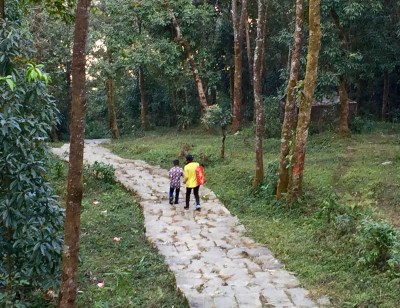
Partway up the jungle path I run in to two kids coming down.  They stop me.

“Where are you from?” they ask me in English.

“America. Where are you from?”

“Puranchaur,” the little boy answers.

“Oh, I’m going to Puranchaur on Tuesday,” I say. It’s one of the villages where we launched last year. I ask what grades they are in: four and eight. “So,” I say to the fourth grader, “do you brush your teeth at school?”

“Yep,” he answers.

“Huh. For about a year, right?”

“A little less than a year,” he says.

“Cool,” I answer, and down the path they go.

IMG_6128

Finally I come out the top of the jungle path and emerge at the water tap in Kaskikot.

“LAURIEEEE!” the ladies cry. “Here you are, just in time for wood cutting to start tomorrow! Last year you came to cut wood, and this year you’re here to cut wood!”

YES. This is the gold medal of the Welcome Olympics. And yes, when I go to cut wood, I understand that it is a memorable experience for all of us.

On my way to the house, a few other people – completely independently – express their approval that I have arrived just in time for wood chopping. I am winning at Nepal.

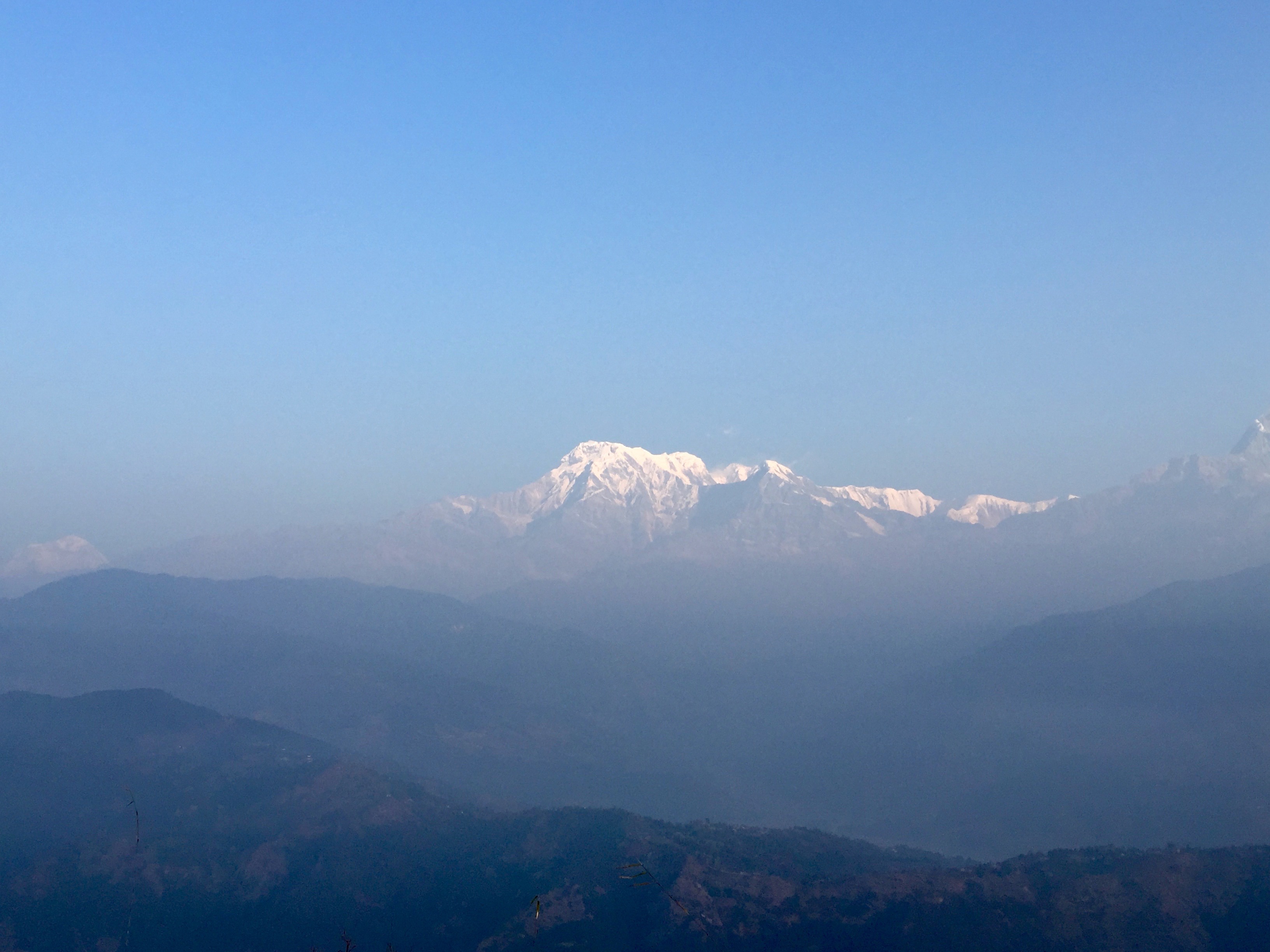
At last, I drop over the spine of the ridge and there is home. Baby O’Neil is tethered outside, her wet nose pointed quizzically my way; she has grown some brown fur.  The hillside is dotted with jubilant yellow mustard flowers.  There is the familiar line of the Annapurnas rising in to the dusky sky, distant and close. No matter the path that brings me to this piece of land, it always appears the same way, luminous and inevitable.

*

IMG_6148


Fall


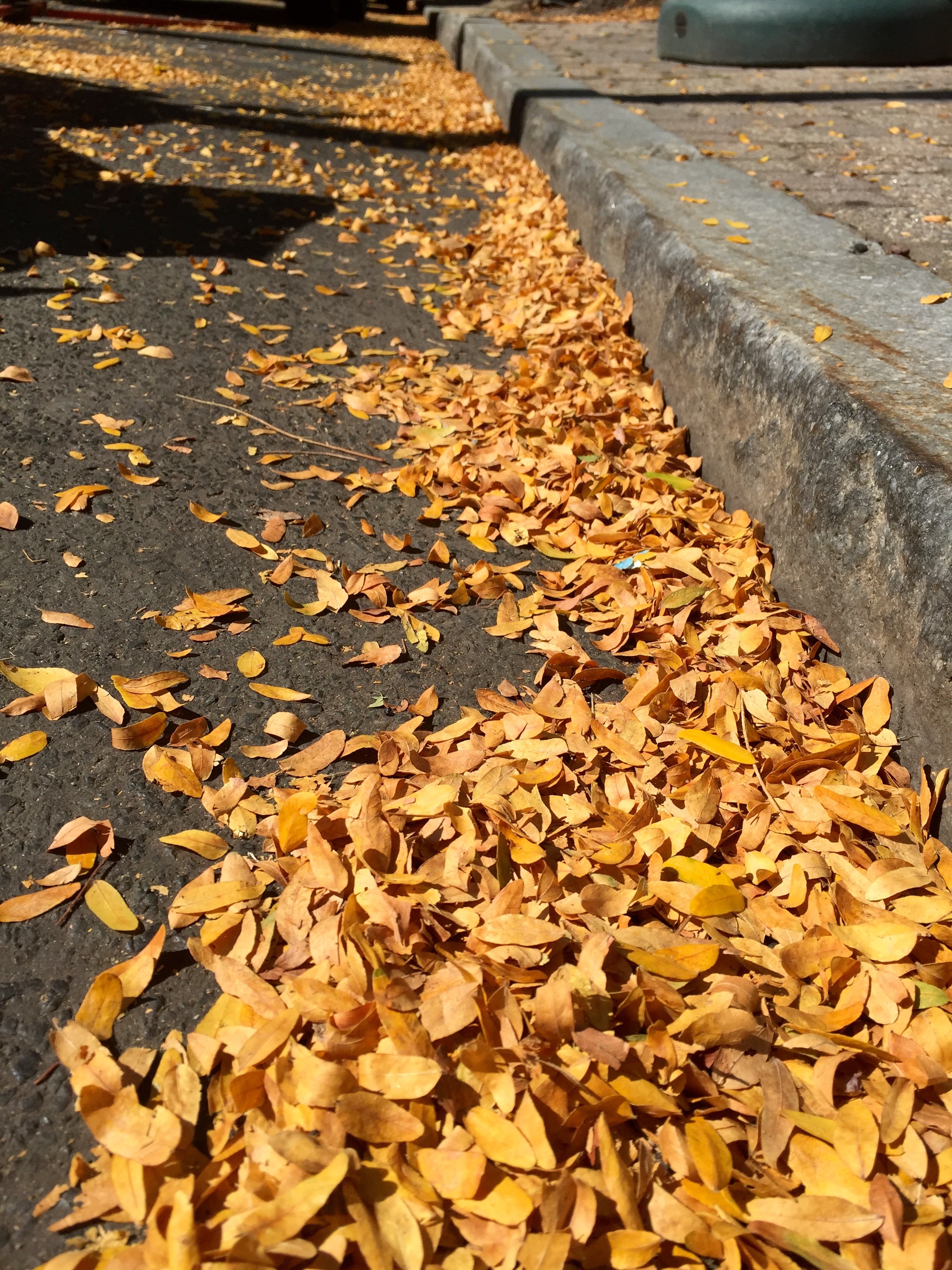
Tiny yellow petals have started collecting in the right angle between the sidewalk and the street. They are huddled there like a paper river, jumping around and changing places ever so slightly as the cars drive by. It is fall.

It was the end of summer before I started to feel like I had arrived here in Connecticut. Even though I’ve been moving between these two very different worlds for twelve years, it has been over a decade since I was abroad for so long at once – nearly seven months, with a brief six weeks back in the U.S. in April, which is when the earthquake hit in Nepal.

I’ve always felt that the gift of living in two worlds, if I am open to it, is the chance to deepen my appreciation of multiple realities. Certain particularities, like the soft muffle of people arriving to temple during the High Holidays, or the rustle of fall and how it smells like apples and makes me think of being outside with my dad, the amazing fact of the New York bagel, a spectacular city skyline twinkling at night, the miraculous convenience of speedy internet – these gifts and many more have been imbued with a resonance that comes only from heightened gratitude. What a tremendous blessing that this is my world, my life, my palette of choices.

Besides being near friends and family, it’s this intensifying of senses that makes me look forward to returning to the States when I’ve been in Nepal. Whatever the tradeoffs, they come with the euphoric feeling of appreciation. Maybe this is why I’ve come to realize that in some way my role on the planet will always be to move between disparate worlds, rather than settle comfortably in one and become stagnant.

This last arrival, however, has been different. It’s been harder for me to access the joys of this plentiful environment. Maybe we are in a new season in America, and maybe I am different, or maybe some of both. I arrived back to the U.S. during the week of Sandra Bland, just as Donald Trump was taking center stage. Everybody seemed so angry and so loud. Among the significant, real outrages and pathologies happening at our doorsteps – Sandra Bland! – precious few were garnering a majority of the words being expended in mainstream discussion. Outside my house, everybody was disconnected from each other, and inside, I couldn’t hear the wind blowing.

It was like being in solitary confinement and being assaulted at the same time.

I’ve started and stopped this post many times, wondering how to write about this season of being between realities without resorting to clichés. I was in rural Nepal working with people to rebuild their houses after an earthquake, sleeping under tin roofs while the early summer monsoon pounded the hills.  Now I’m in Connecticut listening to the Republican debate in my living room. It’s totally cliché.

And yet it’s not these visible differences that constituted the turbulent vacuum between my worlds this summer. Mostly the last two months have been an exercise in putting up barriers. Between myself and the pavement. Between myself and indifferent crowds. Between myself and a certain nothing that creeps in between the activities and compartments of cars and apartments. Between myself and a hailstorm of unmourned and even unacknowledged injury. Between my ears and the fantastic amount of noise, all the talking and procedure that is not about anything.  Between myself and the precious narcissism of our public discourse.

I realize that these barriers have their value. But it feels like a loss. I’m more aware than ever before how many ways American culture forces us to reduce our perceptiveness in order to survive. It’s true that the catastrophe of the earthquake created an especially unique doorway to a productive social consciousness: there was a gigantic and terrible event, but it was fairly concrete – at least on the surface – and I located myself and my community within it. I was one of many people who looked destruction in the face and began rebuilding with patience and humility and a willful connection with others.

But I didn’t really realize how much my sense of my self in the world and in society had swelled out beyond me in these last seven months – even to the earth and its power, to the inevitability of the monsoon, to the practical absurdity of dirt roads going up mountains – until I was back here, and my world became a cacophony of conflicting radio stations, all purporting to be of critical importance.

The summer has been an exercise in shutting down one channel after another, and then re-learning how to decide which ones to turn back on for brief and highly monitored periods of time.

The summer has been an exercise in dodging the frustration, despondency, and aggression that billows about on the street, unchecked, like car exhaust. Then re-learning how to locate and selectively engage sources of collaboration and joy. After all, it is still a blessing to have this palette of choices, whether or not we see it, whether or not anybody sees it. Gratitude is not something that can be faked – it comes directly from a place of knowing.

The summer has been an exercise in observing our political system, our environmental system, and our media, with the surprised naiveté of a newcomer, and hearing the same story repeated in different packages: in how we describe ourselves, our problems, our economic and racial tensions, the rest of the planet.  In the way we talk about the earthquake in Nepal and the victimized people of the third world.  It is a story of detachment, silence, and frustration transmuted in to righteousness.  And yet the power of our systems is tremendous, if only we could see them.  If only we could hear ourselves.

Our narcissism isn’t that we’re a bad society or a bad people.  We just can’t see it.

I have spent a great deal of time sitting quietly in my living room, wondering how we get outside of ourselves without leaving.  I think it is human nature to cling to anything that tells us what we already know about ourselves.  I’m no different than anyone else.  I’ve just spent a lot of time in situations where there wasn’t much to cling to, so there was no choice but to adjust.  We are much more arbitrary than we think we are.

I think about my dear friend Mary every day and I miss her.  I would like to tell her about these things, so she can remind me without saying so that I am just one more well-meaning narcissist, and we are all going to the same place, so we might as well be good to each other and enjoy the scenery.

Now it’s September and the brittle yellow leaves are collecting in the gutter.  They dance around when the cars and people rush by, but they could care less for the hurry that makes them play like that.  It’s just their season to fall from green branches, and become a river in the street.

.      .      .

IMG_5462


On Fractured Temples

IMG_0974

Normally when I leave Nepal, there is an extended process of departure – physical, psychological, emotional. But after being here for most of the last six months, minus six weeks in the middle, I ended up leaving with no procedure at all.

Actually I should amend that a little, since the morning of my flight from Pokhara to Kathmandu, I badgered this hairdresser lady – a friend of a friend – into showing up at 5:30am in her salon to straighten my hair for three and a half hours. That’s right! For two months I’ve been hauling around the hills of Nepal in the hot sun in my flip flops, renting tractors and sleeping under tarps and tin, carrying gurneys of rock with old ladies and filling up rice sacks with dirt to build an earth-bag house, sitting in hot stuffy buses for 5 hours and getting stuck in the mud and walking the last hour in the rain…and the one thing I HAD to do before I suddenly left Nepal to fly home for a funeral was get my hair permanently straightened. Why, you want to know? Because in the U.S. it costs $250 and in Nepal it costs $20. A deal is a deal. And besides, there’s nothing like a good hair day to lift a girl’s spirits.

IMG_5188So in the middle of everything – the whirlwind of our new office setup, the excel sheet full of names and bundles of tin and numbers of people, the scheduling of a planning workshop for our staff, setting up a new financial system – I dropped it all for my last three hours in town and had my hair straightened at 5:30 am. Then I said goodbye to Aidan and Pascal on their way to school, and then to Didi and Bhinaju, who took me to the airport. I didn’t get to say bye to the kids at the children’s home so I bought them some treats and told Ranjita to say how sorry I was I’d missed them, but I’ll be back in 6 months. I’d said goodbye to Aamaa and Hadjur Aama the night before, in Kaski.

And the next thing I knew, I was flying back to Kathmandu, in that reverse warp that happens when I leave Nepal. Except about six times faster. Normally on my way out I have a few days in Kathmandu and they are mostly filled with meetings. This time I had just a few hours between my flight from Pokhara and my flight home.

Everything looks different in Kathmandu than it did when I arrived on May 13, less than 48 hours after the second earthquake (remember the second earthquake???), when the city was filled with bright blue and orange tents clustered at intersections, and all the people were quivering like leaves, waiting for another hit. Things seem to have settled in to a process that is serving as the new norm. IMG_0904And the truth is that if you landed here now, from anywhere, you’d be amazed to find that the apocalyptic situation that’s on the TV is not how things look. That’s because the collapsed buildings that the photographers zoomed in on aren’t the whole story. In fact, they were the tremor after the earthquake of poverty and poor governance, which is too chronic and undramatic to capture our attention, but remains most of the problem.
But the real difference is me.

When I arrived here two months ago, this situation felt vast and unknowable and as tragic as my imagination could make it. Now I can locate myself within it. Our piece, which will ultimately total around 150 homes and piles of stories, was small but meaningful. I have a sense of how people are moving forward with their lives one step at a time (although I should add that during these months, I met only one family that had lost people in the earthquake). Which is not to trivialize what’s been destroyed – only to say that, in the beginning, when everything collapses, it’s impossible to imagine a different future.   All the unseen things are terrible and insurmountable in your mind’s eye, and you can’t conceive of the steps between here and there. I couldn’t even visualize “there.” Now I feel like can at least be at peace with a changing target, because that shifty feeling of uncertainty and failure is a known thing, not a shadow. And so far, we’ve done our part despite it.

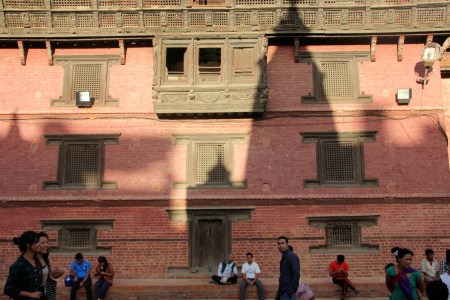
My last few hours in Nepal were perfect. I met up with two friends from the U.S., both doing doctoral work in Nepal, both fluent in Nepali. We walked down to Patan Durbar Square, my favorite section of old city, known not only for its temples but also its artisans and craftsmen. Patan is one of the areas that was featured heavily in the days after the earthquake, when the only photos of villages were from the air.

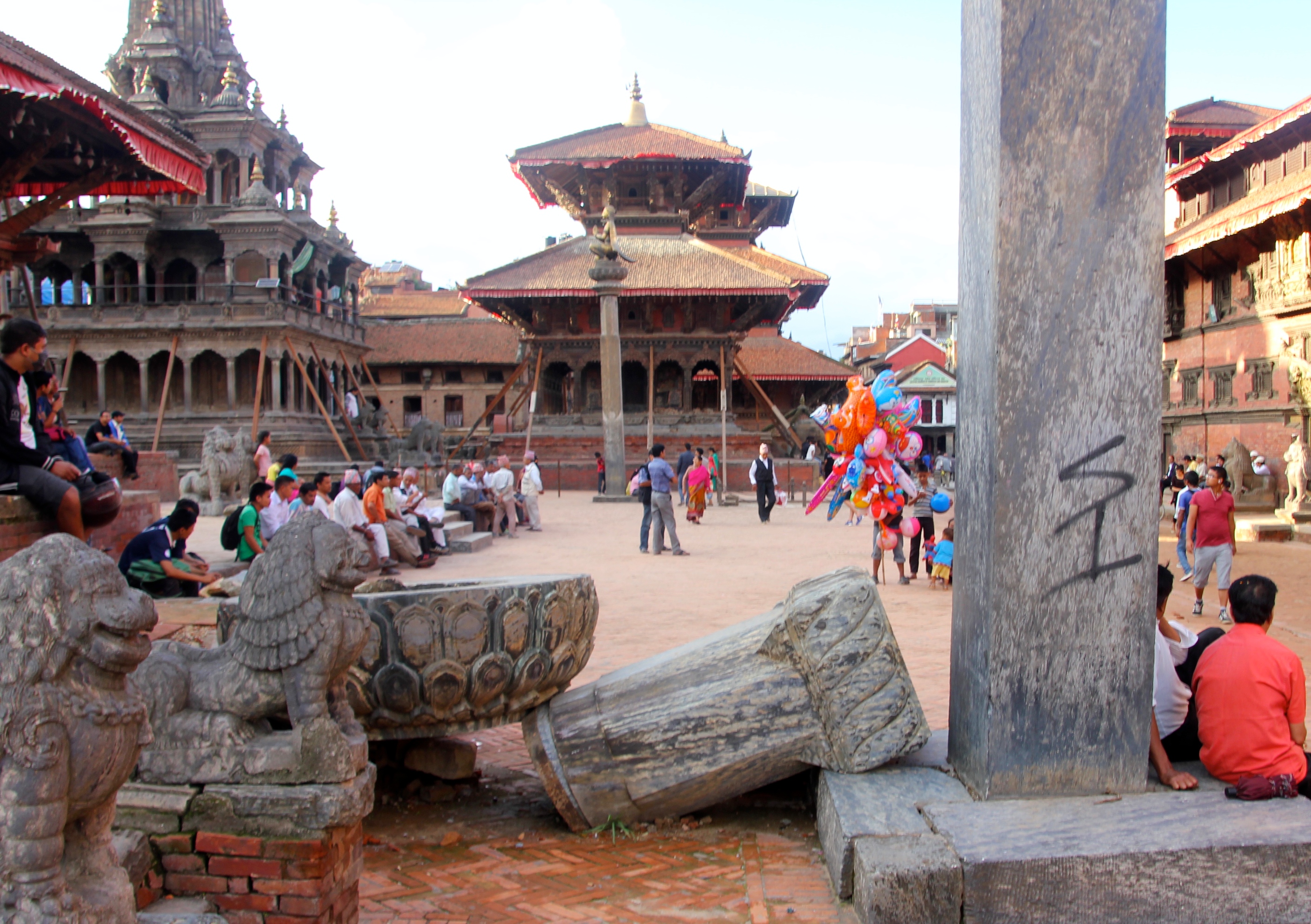
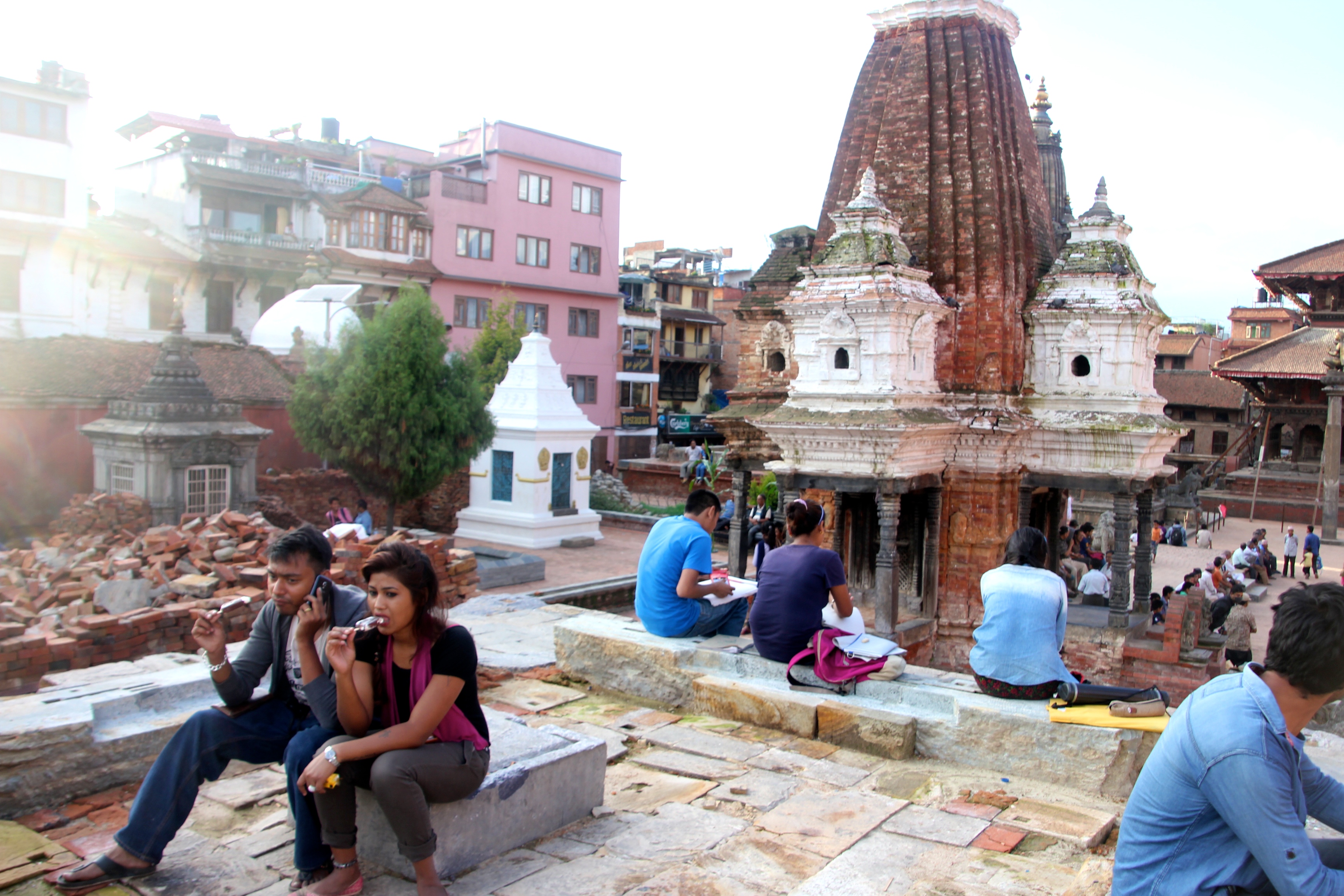
On this last afternoon, the rains held off, making way for a cool golden evening, the light waving in the folds of cloth that ripple along the edges of the temples. We sat high up on the foundation of what used to be a temple, observing the courtyards that were filled with people eating ice cream, buying balloons, whispering on dates, playing. Between the scaffolding that surrounds the damaged buildings, people were busy living in the very space that, I know full well, much of the world sees in its own mind as a pile of dust and despair.

IMG_0977

My thoughts drifted to conversations that Anne and I have had about the beauty and strangeness of Pashupathi Temple, Nepal’s holiest cremation site, where passers-by sit across the river and watch pyres burn during the day and night. Sometimes there are kids playing soccer, or folks out enjoying the sun or the beauty of this thousands-year-old place of pilgrimage. What’s always amazed us about this is that people can play soccer near death. Or go on dates near death. Or just gaze, for no reason at all, at death.

Of course, it’s there anyway, even if you’re not looking at it. And once you get used to the idea that you do not have to avert your gaze from a pyre, or from a mother wailing over a pyre, everything else looks different too. Suddenly that moment belongs, in some way, to everyone.

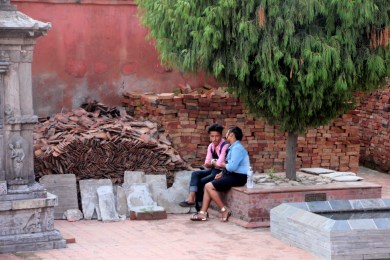
IMG_0956There is no caution tape around Patan Durbar Square, or even around the base of this foundation that used to have a temple on it. The reconstruction is public and unbashful, but it’s also not desperate. In a courtyard tucked away to the left, bricks are patiently stacked up and a young couple is talking furtively under a tree.
But who would think to take their picture for the news?

I think maybe, in the sterilized West, it is hard to believe in loss unless it looks like something we wouldn’t feel right resting our gaze upon in person. We see the spectacle and only the spectacle, because cracks don’t mean much, but the un-witnessable speaks to our understanding of destruction, and insulates it from the safe and organized world we know. But that’s impossible in this part of the world. Things are lost so often, so publicly, and with so little fanfare. All the falling and building is mixed up together with the balloons and scaffolding; the moment belongs to everyone.  So it is still okay to play.

We sat for two hours with all the other people doing normal things on the bald foundation of this temple, looking out over the square, talking in the warm breeze, and watching the balloons and ice cream and couples and pilgrims swirling around these fractured structures, which are on to the next chapter of their lives with minimal complaint or ceremony.

IMG_0940

When I boarded the plane to come home, my pants still had thorns in them from Tripureswor, Ward #6. These feisty little guys are so hard to get out you have to either pluck them one by one, or have a couple of ladies grooming them off you with a sickle like a baby chimpanzee.  I’ve been groomed a few times in the course of these last weeks, but I just kept walking through the thorns and re-collecting them, and now I’m taking them back to America.

Classy, right?

Hey, my hair looked good.

.      .      .

IMG_5191