Puranchaur Clinic


Today I made my first visit to our clinic in Puranchaur, which launched a year ago in winter 2015. We rode motorbikes – I hopped on one with our program director Aamod, and I stuck my friend Freeman on the back of the other bike with our field officer Gaurab. Freeman lived in rural Afghanistan for two years and his training involved things like “how to drive through a blockade,” so I figured it would be okay.

FYI, re: riding on the back of a motorbike:

  1. Paved road –> plus side: fast / minus side: scary
  2. Rutted dirt road –> plus side: good workout, bracing / minus side: rather sore bum, dust
  3. Previously paved road that has deteriorated and broken up in to a patchy mess with some dirt packed around in it –> plus side: there’s a road, so you’re not walking / minus side: everything else

IMG_6319The way to Puranchaur comes in at a solid #3 for a vigorous 64 minute joy ride.

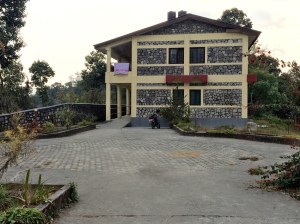
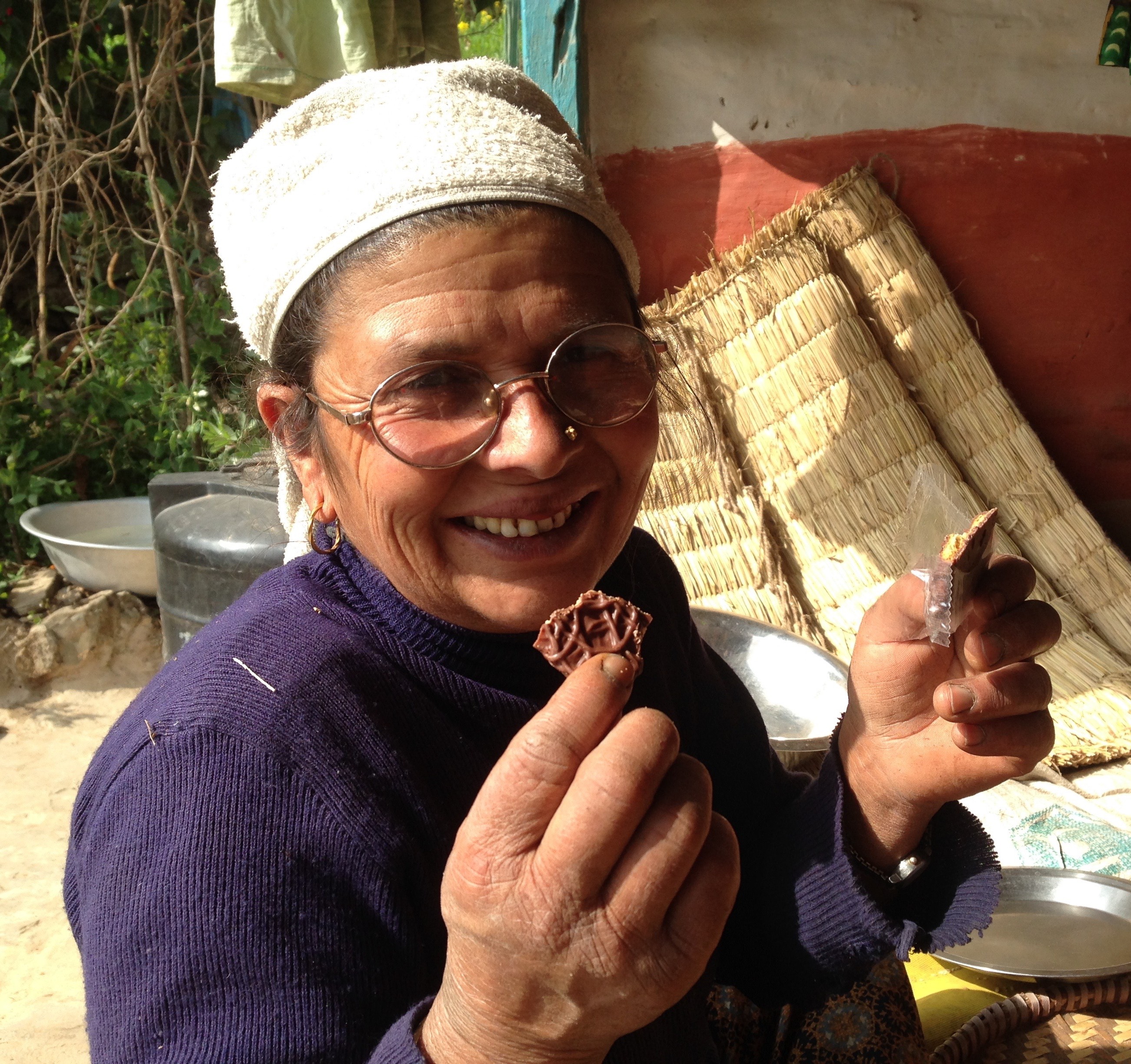
Fortunately, we were greeted at Puranchaur by the sight of a very well-built Health Post. All of our clinics are in buildings provided by the community, and where possible it is ideal if the building can be in or next to the existing government Health Post. But Health Posts aren’t usually this nice.

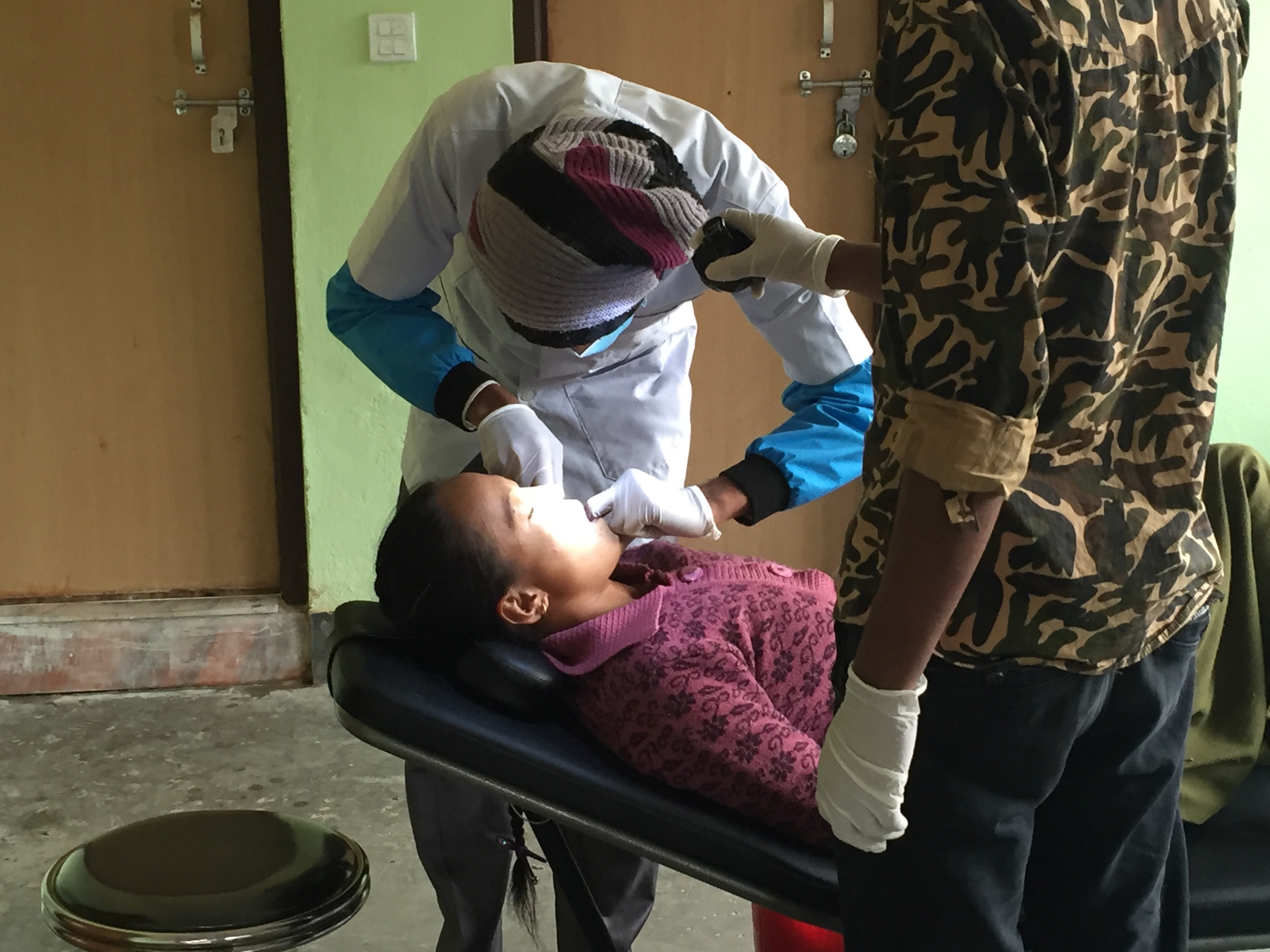
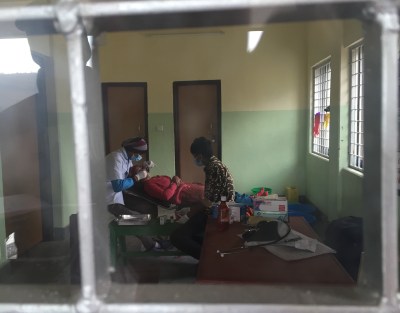
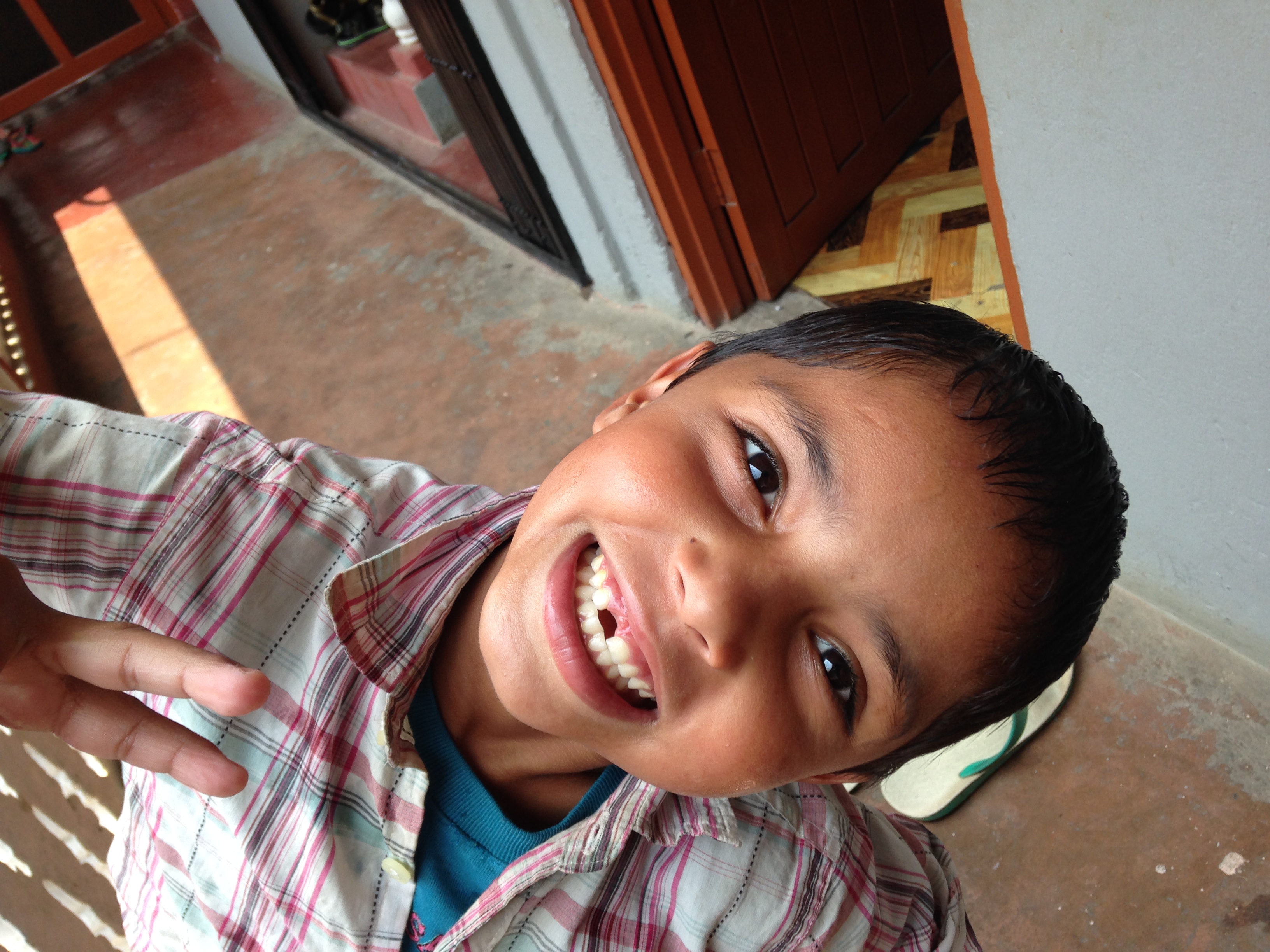
It was immediately clear that we’ve received good local support at this stage of the game in Puranchaur. There was a lively crowd of patients waiting on the balcony, and this clinic is run by one of our more experienced technicians, Megnath.

See for yourself:

We went through our supervision checklist, which includes a rigorous infection control protocol that I wrote myself by talking with dentists and rural trainers, then making modifications based on my own knowledge of the environment, because I realized that none of the existing guidelines were really adapted for these conditions. Amazingly, the only existing protocols I could get my hands on were for dental hospitals with electricity and technology – think, UV disinfection – or, alternatively, unwritten procedures used in temporary dental camps, which presume very high patient volume and the lack of any stable infrastructure. Can you believe that I could not locate a single infection control protocol designed for a permanent rural dental clinic in Nepal? 80% of Nepal’s population and nearly all the government Health Posts operate in rural conditions!

Which is why now I know more than I ever planned to about gloving and re-gloving, positioning of safety boxes, and timing of Virex disinfection, among other topics.

IMG_6304

Our rewarding visit to Puranchaur has me thinking more and more about the larger idea of our project. It’s great when we’re able to establish these services and it sure is gratifying to come all the way here, after hours and hours of sitting at a desk, meetings on Skype, researching oral health data, giving talks and raising money, and see patients coming in to a clinic in Puranchaur on a Wednesday afternoon. It’s also awesome to me that none of these people associate their clinic with me or my slideshows or any kind of charity, which is not what these services are intended to be. All that is good stuff.

On a bad day it seems like it just isn’t enough. There are so many problems here. A toothache is definitely one of the worst things in the world if it is in your mouth…but it’s not as bad as child trafficking. These clinics don’t solve problems of violence or lack of basic security or opportunity. Sometimes it seems like a lot of effort to still end up in a world that has those problems anyway.

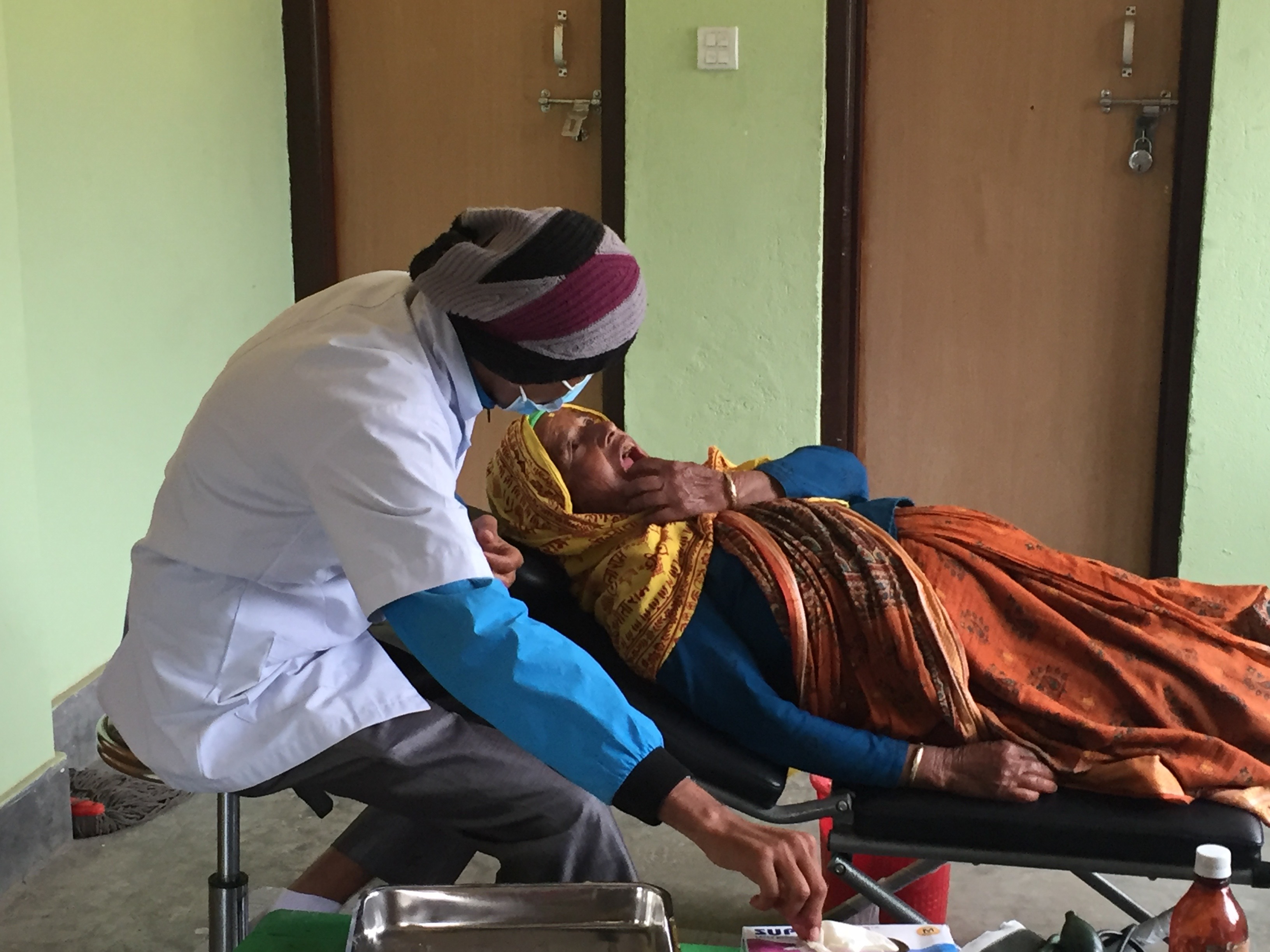
But one thing I think we’re isolating bit by bit has to do with recouping lost opportunities for self-determination. Something our little project does increasingly well that I don’t see very often in this sector is to understand and respect the present capacities of individual people and the communities where we work on all levels. That means letting go of the UV disinfection, but it also means having a proper replacement and monitoring it. It means making services accessible, but then holding people accountable for accessing them by choice, rather than spoon feeding and disempowering everyone for our own gratification. It means that explaining to an old lady that she will not be blind if we pull her tooth out, and making the service psychologically available, is just as important as having a dental clinic that’s physically available.

This is hard to do. It requires an unreasonable amount of patience and the willingness to constantly sort out where to impose control and where to throw everything you think is correct out the window. Inevitably, there are moments where it seems like you’re dong everything wrong and it’s all for nothing.  At some level, I think it only works if you find people as interesting and challenging and curious as the problem you are trying to address.

That’s what has me wondering what we’re really getting at here. I’ve always felt like, even with the visible services this dental project provides, for me as a person, it’s an exercise in something else I haven’t understood yet. Maybe this is just a story I tell myself after a good day, but we would live in and more dignified and peaceful world if we cared as much about actual people as we do about ideas of people.

Today, one old lady with a toothache spent a good bit of time explaining how she’d treated it by putting tobacco in there.  The tobacco helped. Megnath couldn’t extract her tooth because she had complicating heart issues that require referral to a hospital – but he had a nice long conversation with her about the tobacco, anyway.

*

IMG_6283


The Obvious Practicalities


The other day I came across a dazzling, haunting article in the New York Times. The Lonely Death of George Bell opens with a chaotic photo of George Bell’s apartment. He was a hoarder, and until you look at the photo directly, it meets you more like a cubist painting than a photo of an apartment: an angular, colorful, dump.

Screen Shot 2015-12-30 at 10.30.57 PM

The story follows a public administrator in a bleak office in Queens as he searches for George Bell’s next of kin, distributes George Bell’s assets, makes arrangements for George Bell’s cremation and burial. These tasks unfold in unceremonious anonymity – in fact, a significant amount of procedure is devoted to proving George Bell’s body is George Bell. No friends or relatives come forward to identify him. He was discovered in his apartment only after neighbors called to report the stench of his lonely end. This is the story of thousands of deaths in New York City every year.

To me, the article itself serves to witness and exalt George Bell’s silent passing, as well as what might have been among the most authentic feature of his life: isolation. In a way it is a glorious tribute, nearly impossible to look away from.

As you will see from the letters at the bottom, not everyone agrees.  But I was taken with this rare and unapologetically voyeuristic look at the mechanics of death in its most cold and undignified form.  In Western culture, we rarely visit death undressed. Jobs that in other parts of the world – certainly in Nepal – fall to the community in an old and well-traced set of patterns fall for George Bell to the Queens County Public Administrator.

George Bell’s situation is extreme, but it in other ways it simply exposes a shared fear and denial of death in the West: how the body, sacred in many cultures, is foreign and terrifying to us once it is dead.  It must be managed by professionals, or at the very least, out of sight, and as a society we treat any honoring of the spirit as a bonus round after the paperwork has been completed. We take this for granted, as if it is obvious because it is practical.

When I happened upon The Lonely Death of George Bell this week, I was editing a radio story about young widows in Nepal. The piece is about how widowhood rituals are changing for young women, and features 21-year Bishnu Pande, whose young husband died while working in Qatar. He never met their six month old daughter.

This topic is close to my heart, because historically, young women who lost their husbands have been forced to live out lives of ritual mourning, and Aamaa is a direct result of these traditions. She hasn’t worn the color red in 35 years. There was never any question of remarrying. Her husband’s family didn’t entirely abandon her, but they’ve done little to help her. When I arrived in Aamaa’s life, her daughters were in their early twenties, and her identity as a widow had long since blended in to the larger idea of her. I have always known Aamaa just as who she is, not as a woman bereaved. She has good friends, and people to look out for her, and she goes to weddings and dances.

And yet, for all practical purposes, Aamaa has lived a life of ritual widowhood. She is alone. Dancing is on limits, but ritual celebration – wearing sindur powder, receiving celebratory tikka, red clothing – are forever out. Moving back to the home where she grew up is out. A new marriage is definitely out. Her role in society is that of a woman who lost her husband, and has been since she was a 23 year old girl.

That will not be Bishnu Pande’s story.  But something will be.

So today I come across George Bell while editing a piece about Bishnu, having spent over a decade as part of Aamaa’s life. And it’s clear that what is obvious is not just what is practical. And neither is the ritual discipline that Aamaa observes. The obvious is just what we’re used to. Our treatment of death seems inevitable because it stems directly from our collective, subconscious attitude toward life, toward the nature of existing. Which can span the range of possibilities from Aamaa to the Queens County Public Administrator.

I feel like these hours I am spending with Bishnu Pande in my ear come at a time when  she and I are both somewhere in the middle. We’ve approached this crossroads from opposite sides: I from New York, where George Bell died, and Bishnu from Kaskikot, where Aamaa’s husband died. Her culture is learning to shed ritual, and I feel that mine has lost something vital and is scrambling to get it back. It’s like we’ve bumped in to each other in the middle of some misty dreamscape, each of us missing someone and renegotiating the collective attitude we’ve been taught.

Some letters to the editor have already been posted the article on George Bell. One says:

At first I wondered why “The Lonely Death of George Bell” was on Sunday’s front page above the fold. As I got into the article, I couldn’t put it down…Mr. Bell’s sad experience reinforced for me the importance of reaching out to relatives, friends and all those in a situation similar to Mr. Bell’s so that they have dignity in their final days. He deserved better.

And then another:

What could possibly justify this callous violation of George Bell’s privacy?…Mr. Bell could not have made his wish for privacy any clearer if he had specified it in his will, and no decent purpose is served by inviting us all in to trespass on his home….With this article The New York Times inflicted on Mr. Bell a final indignity.

     *

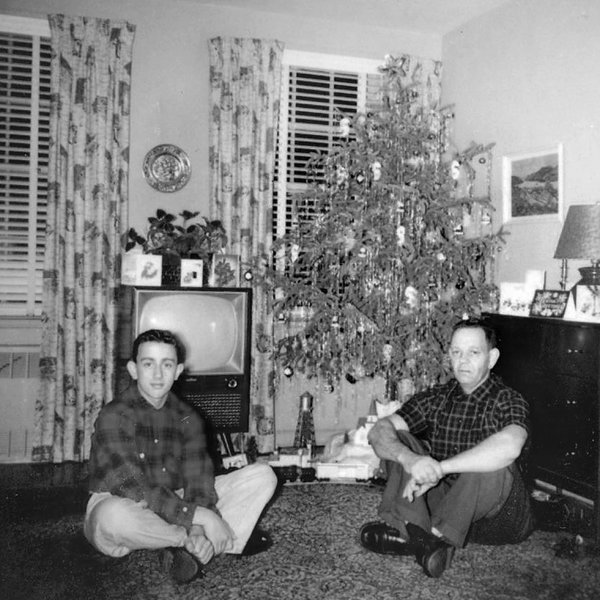
George Bell in 1956. / The New York Times

George Bell (L) in 1956. / The New York Times


Fall


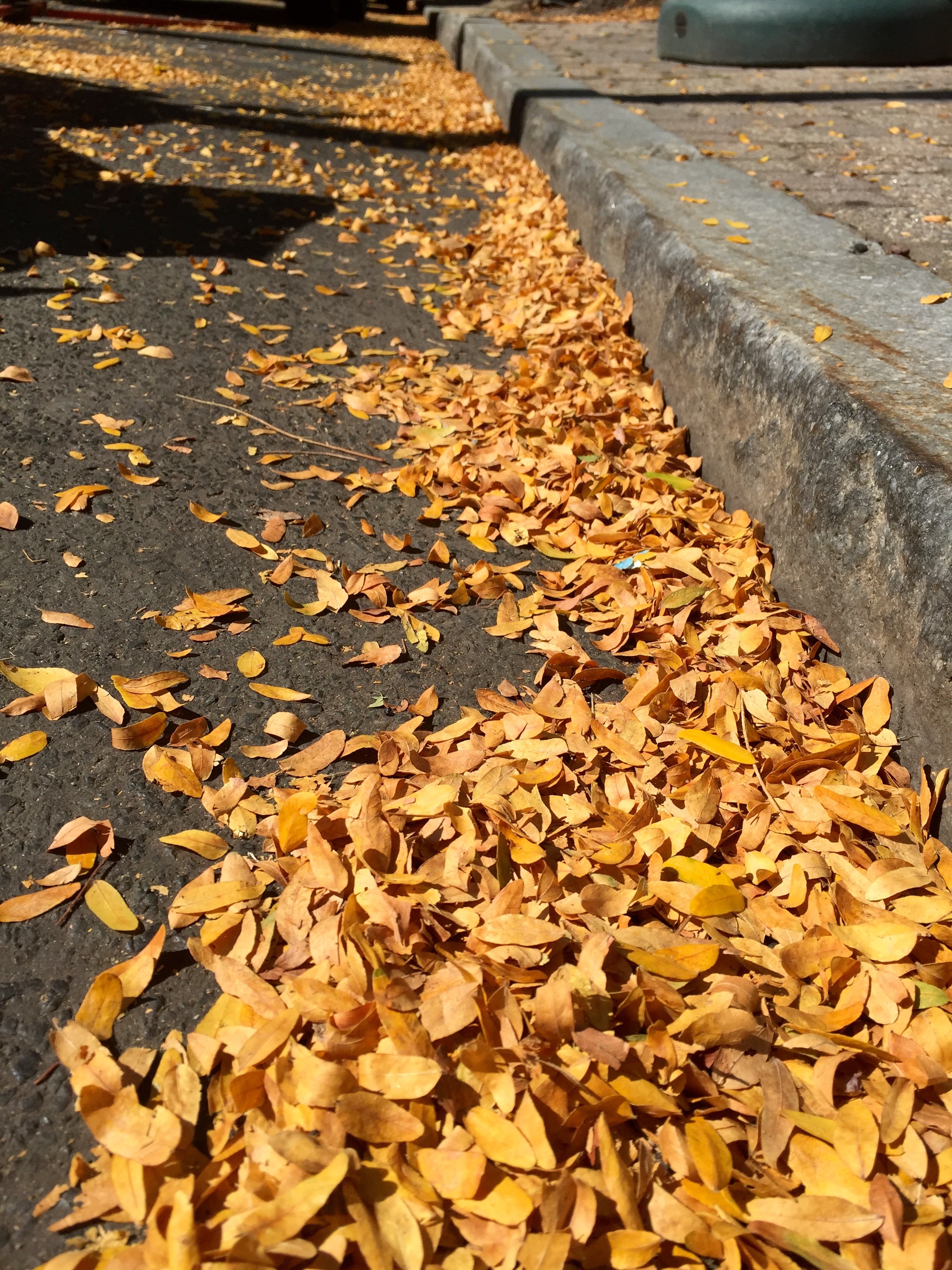
Tiny yellow petals have started collecting in the right angle between the sidewalk and the street. They are huddled there like a paper river, jumping around and changing places ever so slightly as the cars drive by. It is fall.

It was the end of summer before I started to feel like I had arrived here in Connecticut. Even though I’ve been moving between these two very different worlds for twelve years, it has been over a decade since I was abroad for so long at once – nearly seven months, with a brief six weeks back in the U.S. in April, which is when the earthquake hit in Nepal.

I’ve always felt that the gift of living in two worlds, if I am open to it, is the chance to deepen my appreciation of multiple realities. Certain particularities, like the soft muffle of people arriving to temple during the High Holidays, or the rustle of fall and how it smells like apples and makes me think of being outside with my dad, the amazing fact of the New York bagel, a spectacular city skyline twinkling at night, the miraculous convenience of speedy internet – these gifts and many more have been imbued with a resonance that comes only from heightened gratitude. What a tremendous blessing that this is my world, my life, my palette of choices.

Besides being near friends and family, it’s this intensifying of senses that makes me look forward to returning to the States when I’ve been in Nepal. Whatever the tradeoffs, they come with the euphoric feeling of appreciation. Maybe this is why I’ve come to realize that in some way my role on the planet will always be to move between disparate worlds, rather than settle comfortably in one and become stagnant.

This last arrival, however, has been different. It’s been harder for me to access the joys of this plentiful environment. Maybe we are in a new season in America, and maybe I am different, or maybe some of both. I arrived back to the U.S. during the week of Sandra Bland, just as Donald Trump was taking center stage. Everybody seemed so angry and so loud. Among the significant, real outrages and pathologies happening at our doorsteps – Sandra Bland! – precious few were garnering a majority of the words being expended in mainstream discussion. Outside my house, everybody was disconnected from each other, and inside, I couldn’t hear the wind blowing.

It was like being in solitary confinement and being assaulted at the same time.

I’ve started and stopped this post many times, wondering how to write about this season of being between realities without resorting to clichés. I was in rural Nepal working with people to rebuild their houses after an earthquake, sleeping under tin roofs while the early summer monsoon pounded the hills.  Now I’m in Connecticut listening to the Republican debate in my living room. It’s totally cliché.

And yet it’s not these visible differences that constituted the turbulent vacuum between my worlds this summer. Mostly the last two months have been an exercise in putting up barriers. Between myself and the pavement. Between myself and indifferent crowds. Between myself and a certain nothing that creeps in between the activities and compartments of cars and apartments. Between myself and a hailstorm of unmourned and even unacknowledged injury. Between my ears and the fantastic amount of noise, all the talking and procedure that is not about anything.  Between myself and the precious narcissism of our public discourse.

I realize that these barriers have their value. But it feels like a loss. I’m more aware than ever before how many ways American culture forces us to reduce our perceptiveness in order to survive. It’s true that the catastrophe of the earthquake created an especially unique doorway to a productive social consciousness: there was a gigantic and terrible event, but it was fairly concrete – at least on the surface – and I located myself and my community within it. I was one of many people who looked destruction in the face and began rebuilding with patience and humility and a willful connection with others.

But I didn’t really realize how much my sense of my self in the world and in society had swelled out beyond me in these last seven months – even to the earth and its power, to the inevitability of the monsoon, to the practical absurdity of dirt roads going up mountains – until I was back here, and my world became a cacophony of conflicting radio stations, all purporting to be of critical importance.

The summer has been an exercise in shutting down one channel after another, and then re-learning how to decide which ones to turn back on for brief and highly monitored periods of time.

The summer has been an exercise in dodging the frustration, despondency, and aggression that billows about on the street, unchecked, like car exhaust. Then re-learning how to locate and selectively engage sources of collaboration and joy. After all, it is still a blessing to have this palette of choices, whether or not we see it, whether or not anybody sees it. Gratitude is not something that can be faked – it comes directly from a place of knowing.

The summer has been an exercise in observing our political system, our environmental system, and our media, with the surprised naiveté of a newcomer, and hearing the same story repeated in different packages: in how we describe ourselves, our problems, our economic and racial tensions, the rest of the planet.  In the way we talk about the earthquake in Nepal and the victimized people of the third world.  It is a story of detachment, silence, and frustration transmuted in to righteousness.  And yet the power of our systems is tremendous, if only we could see them.  If only we could hear ourselves.

Our narcissism isn’t that we’re a bad society or a bad people.  We just can’t see it.

I have spent a great deal of time sitting quietly in my living room, wondering how we get outside of ourselves without leaving.  I think it is human nature to cling to anything that tells us what we already know about ourselves.  I’m no different than anyone else.  I’ve just spent a lot of time in situations where there wasn’t much to cling to, so there was no choice but to adjust.  We are much more arbitrary than we think we are.

I think about my dear friend Mary every day and I miss her.  I would like to tell her about these things, so she can remind me without saying so that I am just one more well-meaning narcissist, and we are all going to the same place, so we might as well be good to each other and enjoy the scenery.

Now it’s September and the brittle yellow leaves are collecting in the gutter.  They dance around when the cars and people rush by, but they could care less for the hurry that makes them play like that.  It’s just their season to fall from green branches, and become a river in the street.

.      .      .

IMG_5462


For Mary

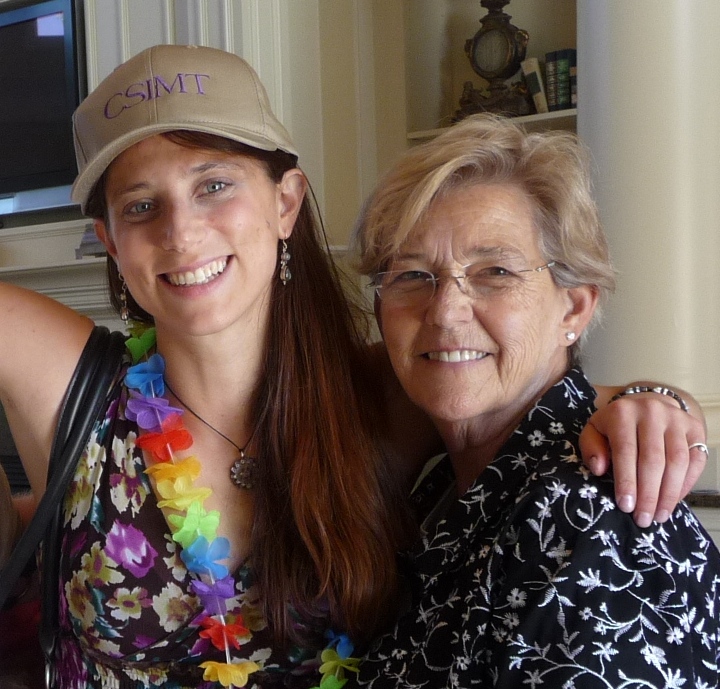
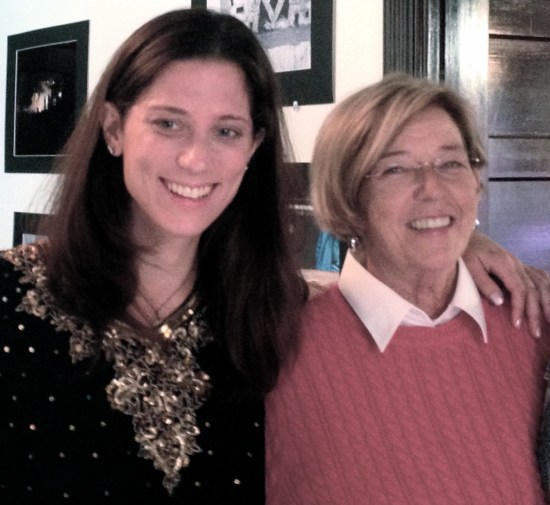
I haven’t posted in this series on mourning for a while, but today I only have one thing worth writing about. My beloved friend Mary passed away early yesterday morning in New York – my 3:23 in the afternoon in Nepal.

P1060157 - Version 2

I understand that Mary’s death was not a huge surprise, except that every death is a surprise in its finalness. She was 71 and she’d already beat the odds many times. The doctors were always saying she might die. I never tired of hearing about all the times she had, in fact, died. She always chose to come back – from the promise of an easier place, from her father beckoning at the foot of the bed, to this world, to this body, to the blue couch in her living room that we sat on for many long afternoons. Where, in addition to other topics, I plied her for every possible detail about dying.

But I can’t imagine my life without her.

We texted often – she was the queen of the multiple exclamation point with a space preceding it !!! – and talked on the phone like champions. She’d say she only had a minute and then we’d talk for no less than an hour or three. Our longest conversation was 4 hours and 11 minutes and it began at 10:03 pm. For the last fifteen minutes or so, we talked about the record we’d set, and how late it was, and how we should hang up, but how we could never seem to hang up.

Once, after we had talked late in to the night about this choosing and coming back, I was lying on my bed thinking about injustice and heartbreak. If souls choose their destiny, what is the point of all these violent and cruel games? I can’t understand why our souls would choose to create this world out of all the choices. I told Mary that I believe in balance, not kindness or purpose. She said I was really smart, that I had a special gift with words. We discussed it until two am, and when we hung up, I felt smart, and Mary still had kindness and purpose. She never minded that I would throw stones at God and then come back to her to get organized.

Mary was never in a hurry to finish a story. She’d say she had to quickly tell me one more story really fast and then the story would take twenty minutes to tell and then we’d analyze it and think of all the other stories it reminded us of and all the life lessons it offered for another forty minutes.

She called me “kid” or “you turkey” so I called her “kid” or “you turkey.”

One time I trimmed her hair with office scissors in the staff bathroom.

I met Mary when I came to the clinic as a patient in 2006. The fact that she became one of my best friends in the history of ever, and that I would talk with her on the phone for hours and hours late in to the night, makes my story completely like almost everyone’s story of Mary. She became one of my mom’s best friends. I became friends with the other patients Mary became friends with. I listened and re-listened to stories of best friends she’d kept since kindergarten.

I never felt that the army of best friends Mary had diminished my best-friendness with her even a little. This is one of the important things about the nature of the universe that Mary taught me without ever explaining it. I just understood with her that there was enough love for an infinite amount for everybody.

I wanted to record so many of her stories. But I never recorded the story about how she got her finger stuck in her friends’ designer bowling ball and ended up in the emergency room attached to the bowling ball. I never recorded the story about how she fixed up her sister with the doctor who tended to her during her first heart surgery forty years ago, or the story about the proud old woman Mary insisted get into her car on a steep hill one day, and how Mary said, “Don’t you just want to cry?” and then cried with the old woman in the car because the hill was so steep and it was so hot. I never recorded the story about the hour she spent chasing down a lost purse in a store for a complete stranger who had left on a bus, and how the bag turned out to have a precious bundle of cash in it, bringing the owner to tears. I never recorded the last story she told me, the night before her surgery, about how the residential suites at NY Presbyterian Hospital are only for VIPs, so she got the mayor of Wallingford to write a letter about all the Very Important things she’d done in Wallingford, and then she mailed it to Angela upstairs, who promptly arranged a residential room for her dear Bill and Colleen. (When the mayor sent the letter to her house, he threw in an edible arrangement.)

Mary, I know you would say it’s totally unimportant that I never recorded these stories. That’s because I’m always trying to keep the past with me, scraping at it with my fingers and toes and arms and legs and everything, and you found all that hassle extremely pointless. You weren’t much for books or movies and I love books and movies. Your living was people. You said books were disconnected from people and took you out of the moment when you could be talking to someone. All this documenting and remembering that consumes me was always, to you, a distraction from the wonderous, fleeting present.

When Mary told me stories about her grandkids and kids, or about dating gentle Bill, or about the best friend she lost when she was sixteen, it was never boring or self-indulgent. Her family brought her so much joy, you couldn’t not be happy with her. I listened to the same stories and looked at the same pictures and read the same poems many times, and I always felt lucky to be in her delight and gratitude.

I spent more time talking with Mary about God than anyone else I’ve known or ever will know. We talked about everybody’s dying. Hers, mine, our friends’, her mother’s, the relatives – we relived and examined all of them, past and future, death in the abstract, the question of choosing, the question – or lack thereof – of God.

Mary said she didn’t want any fanfare after her passing, and I told her I was showing up anyway, even if it was by myself in the rain (which would be impossible anyway, given the legions of best friends). I said if I got hit by a bus and went first, she better freaking show up on my day. I didn’t care if that made me less enlightened. She told me there could be a hurricane on the day of my funeral and nobody would come, and that I had to come to a place in my heart where that was okay with me. I said that was the most awful thing I’d ever heard.

Mary didn’t “believe” in God. She just experienced God. She let me argue with her about God and wear myself out, so that I could rest on her experience. Mary helped me make a tenuous peace with the fact that life is easier and fuller and more magical with God, and you can’t win the argument either way. So you might as well be with God. All her dying gave her cred with me in the God department. She knew things I don’t know. She wasn’t afraid of anything except for the pain her death would cause her family. That was no secret – it was a wisdom and fear she offered freely.

Mary was the very first person I ever spoke to about IMT, which eventually healed my body, brought me irreplaceable teachers and friends, and changed my life. She was the person whose arm I curled up under on a fluffy couch during the scary and uncertain week I first moved to Connecticut. She was the person who I sat with at parties and funerals, and who had time to talk to me almost every single day for an hour or two about big wide things, during a period of my life where I felt unmoored and panicked for long, terrifying hours at a stretch. She was the person who, during a moment of lingering emptiness or need for contact, I could always text or call without feeling like I was imposing. She appreciated every last fiber of human connection that this life offered her. My search for meaning was as beautiful and important to her as it is to me, and she was never too much older or wiser to include me in her journey too.

The last time I should have seen Mary was just before I left for Nepal six weeks ago. I was giving a talk at the Hartford library about the earthquake, and it was unfortunately on Mother’s Day. I was feeling sad and disconnected because nobody was around, and I was preparing to return to an unknown Nepal suffering new destruction and loss. I hoped I might get lucky and see some familiar faces in the crowd. There was a small audience of about fifteen people, two of whom were my parents and two were my good friends Steve and Jackie. I put on my bravest face and did the talk, which actually went pretty well.

Later that evening, I got a text from Mary. “Well, we tried !!!” she said. I wrote back to say it meant everything to me that she’d wanted to be there; her text finally brought a little bit of lightness in to my heart.

“No, we WERE there !!! ” she replied. Turns out that Bill and Mary had delayed their Mother’s Day plans with their son Billy, drove an hour to Hartford to surprise me, and arrived 10 minutes after my talk had started. And Mary, being Mary, said it would be rude to enter after the start of the talk, so they sat outside the closed library door. The one I was staring at the whole time during my presentation, with no idea they were right on the other side.

Mary told me later that she was listening to my presentation, but I know she wasn’t concerned with the details. She was there to provide her presence, not to learn about Nepal. They waited and waited, but when the program went much later than planned, they had to leave to go to Billy’s house. So I never saw her. I never snuggled my nose on to her shoulder and got wrapped in her hug, which was the one thing I wished for so much that afternoon, and the one thing she came there to offer. But she was there the whole time.

She was there the whole time.

This is the enduring image I am left to wrestle with of you, my beautiful Mary. Maybe it was your higher wisdom at work, because that was our last meeting. I know that my task is to take comfort in the idea that you are just there on the other side of the door, where I can’t see you, waiting for me to be done with all these cumbersome details, bearing witness to my story so that I can indulge in my own relevance until I find my way out of the room. But today, this is too close to how I actually feel. You are just where I can’t get to you, and I only want to jump in to your arms. It is too soon to appreciate your nearness when I am enraged by the door.

I love you, Mary. I will never be able to quantify your impact on my life. I think this is all new, and you are still basking in the glory of the kingdom where you have finally arrived. I know that with time you will find your way to us, and we will find your way to you. I know impatience won’t help me, and you know I will be impatient anyway. I know you are not afraid, and you know I have borrowed your courage and will have to find a way forward now with my own. I miss you so much. Your last text to me says: !! Drive safely !!! You know perfectly well you sent that to me in reference to a tractor I was preparing to ride on for 12 hours, delivering tin roofs in the hills of Nepal on ridiculous jeep roads. You turkey.

I wish I had at least recorded the story about the bowling ball.

I really should go now. This has gone on much longer than planned and nobody is going to read it to the end. But it always takes so long to hang up, and these aren’t the kinds of things that can be rushed. This is what happens every time. I know you will read it to the end and that’s all that matters.

Ok then—see you in the morning, kid.

.      .      .
IMG_2087 - Version 2


Glamping and Magic Cake Houses


Reading over my blog entries, I’m realizing I’ve left out some of the nicest details of the hospitality we’ve received in Archalbot this week. So let’s just put them all together.

Detail #1: Glamping

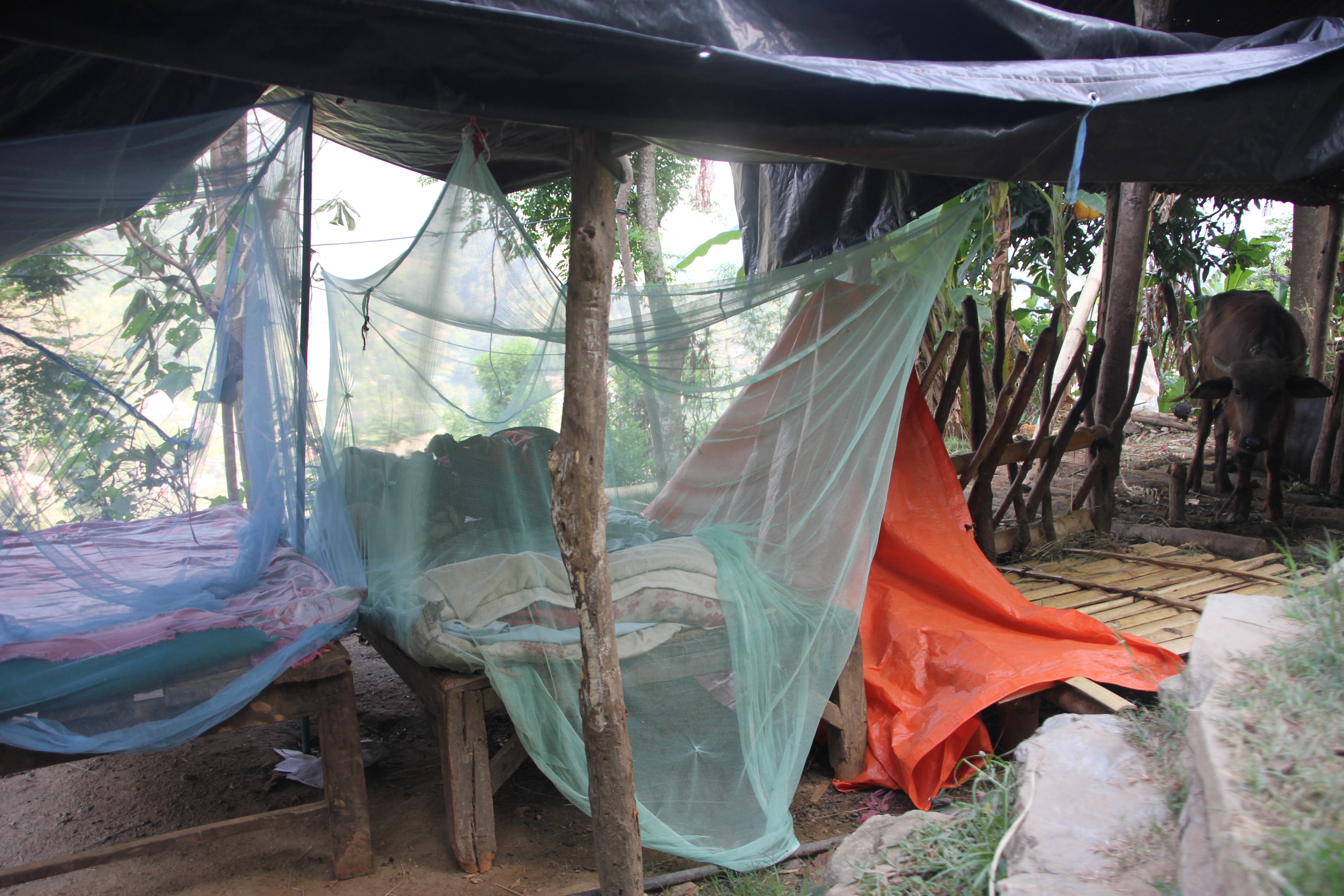
IMG_9481Dilmaya and I stayed at Kripa’s house. It’s standing, but unstable, so we’re all sleeping outside or in small rooms on the edges of the house. For years I’ve joked with Aamaa about going to sleep with the buffalo, or sending Pascal and Aidan to sleep with the buffalo when they’re being cheeky. Now, I can say I’ve actually slept with the buffalo. This glamping site (a phrase I learned this winter when a new “glamorous camping” hotel was going up in Pokhara) was one of the best places I’ve ever gotten to sleep. I loved dozing off each night in the open air and waking up slowly each morning to a cool breeze rustling over the corn, the green hills coming in to focus through the mosquito net.

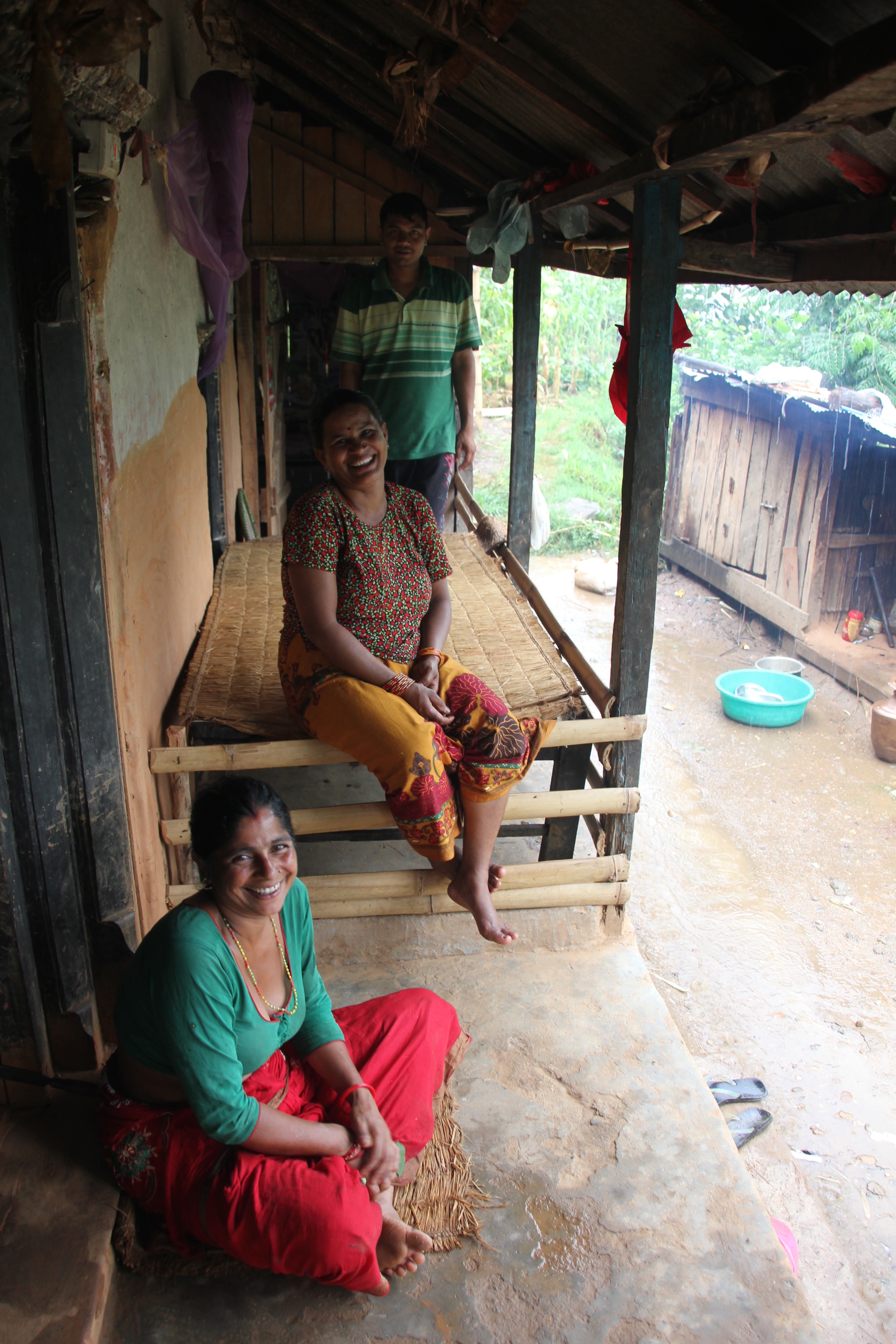
Later in the week it started raining, so Kripa’s mother moved the bed to the porch. Cute, right? Our last night in Archalbot it rained heavily all night and all morning, and I lay on this cot listening blissfully to the tap-tap-tap-tap on the tin roof.

IMG_9726


Detail #2: Dancing

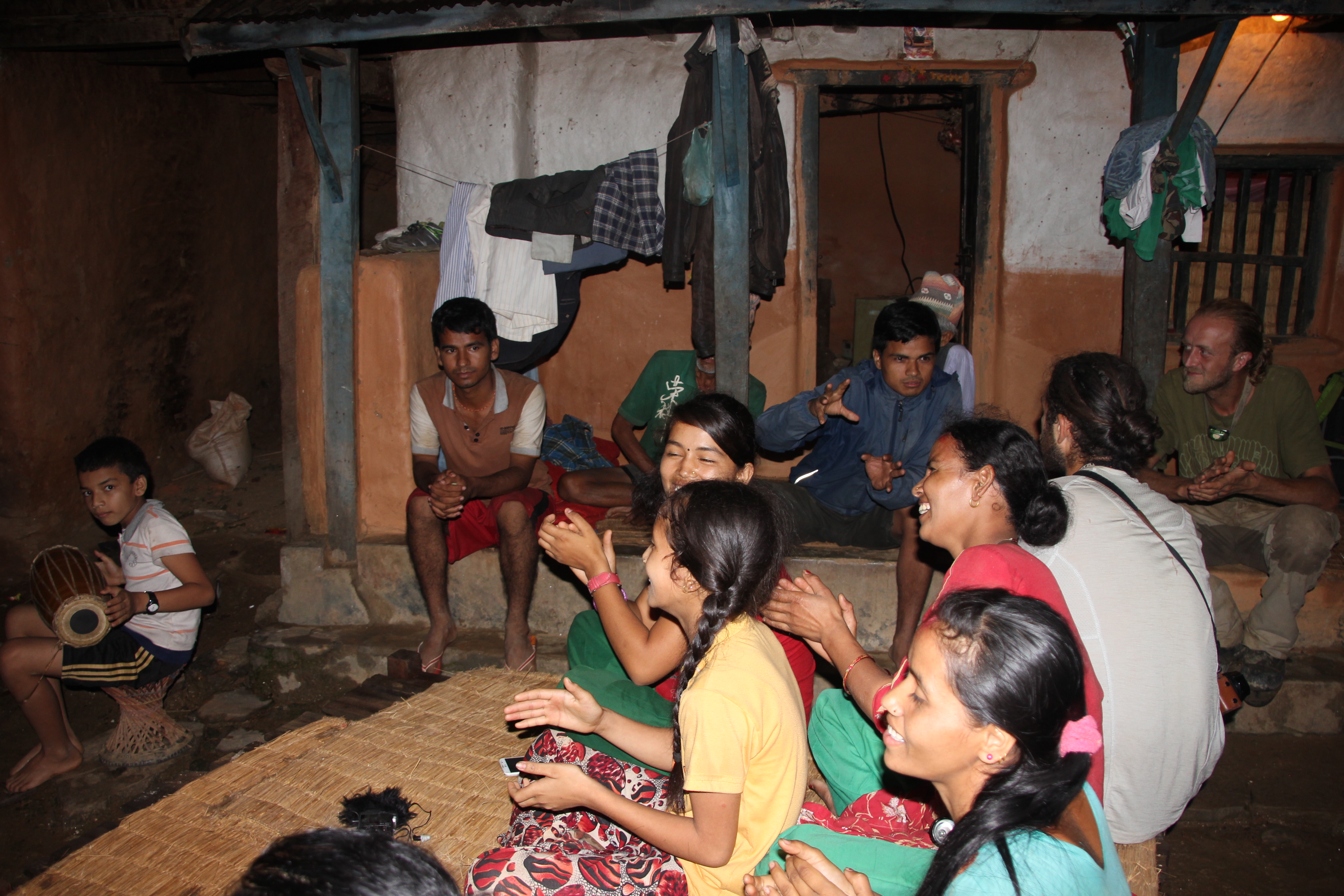
The night before Robin and Colin left Archalbot, we had a dance party at Kushal’s house, in the same yard where we first met this whole community just a short week and a half ago. It was so much fun. All the uncertainty and worry that the earth bag house hadn’t been finished, who had and hadn’t fulfilled what responsibility, what would be done next and who’d been let down or left out…everyone just kicked back and had a big old dance of it.  Which is how we handle potentially stressful situations in Nepal.

IMG_9741


Detail #3: This Grandma

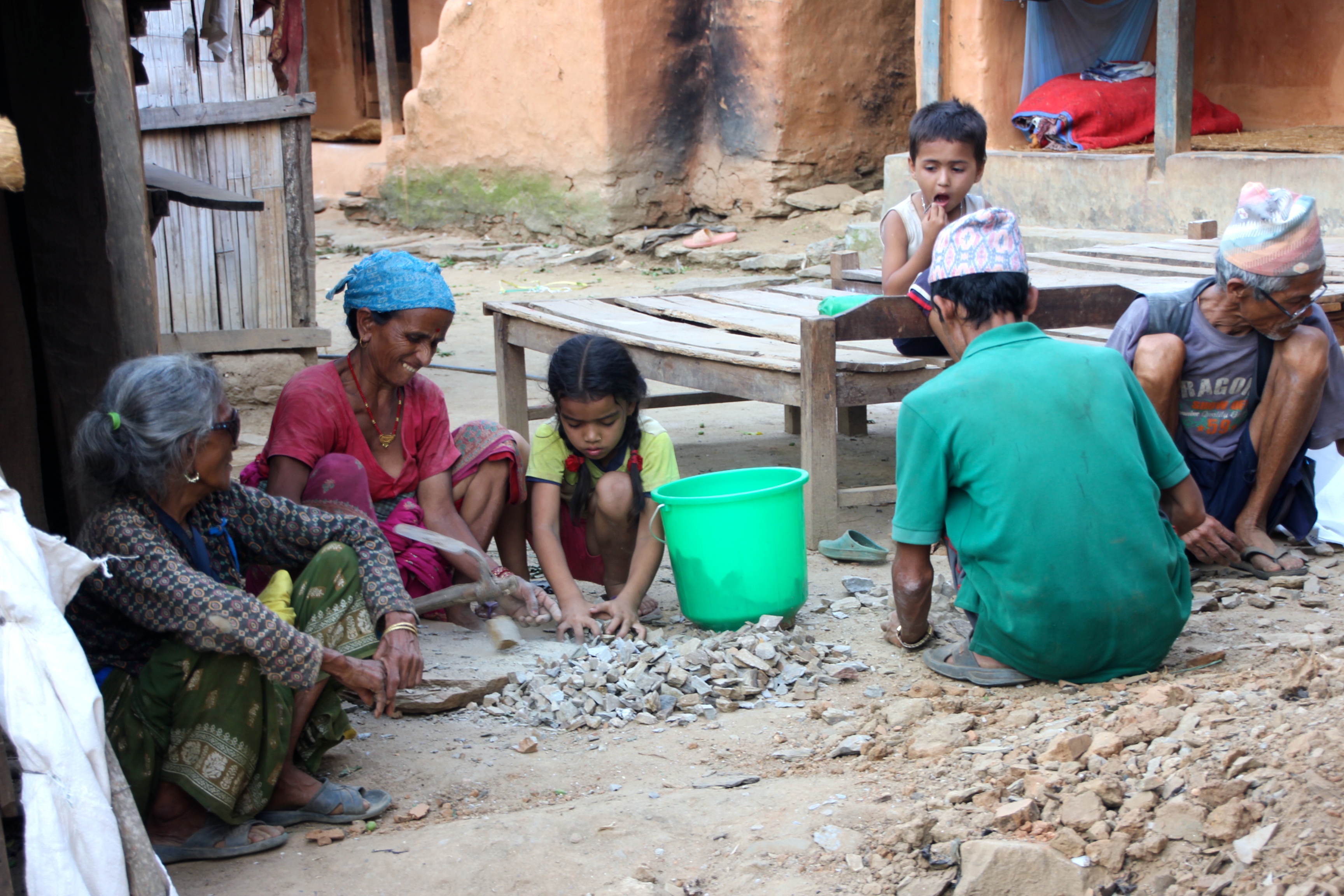
For the days when we had lots of help with the earth bag house, everybody, and I mean everybody, pitched in. You just couldn’t miss this grandma, who unfailingly monitored the scene all day, and during stone-breaking, sat with her legs in a perfect South Asian squat, clicking stones in to pebbles.  One day, I was loading rocks on to our makeshift carriers, and she came over and carefully began placing stones one at a time on to the tarp, with this kind of tentative body language that said, “I mean why not? It’s the thing to do.  Let’s see about it.”  After I got too excited and overloaded one bundle, we made the next one a little lighter so she could carry it with me. I couldn’t choose between these two amazing photos so you’re getting both of them.

IMG_9608

IMG_9611


Detail #4: Breaking stones

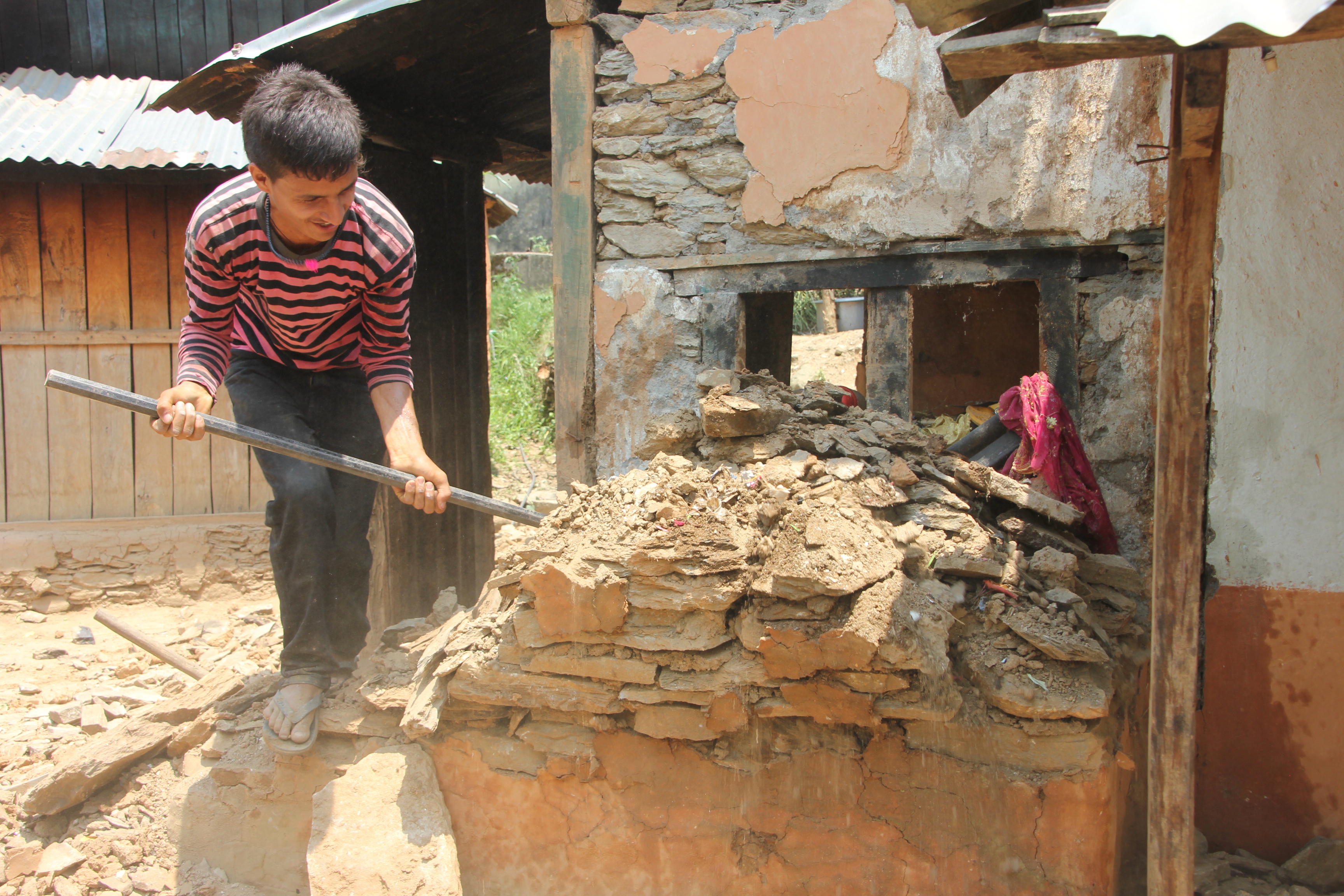
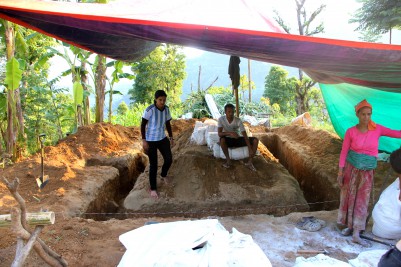
IMG_9624The foundation of the earth bag house is made of alternating layers of stone and packed dirt, and the first two layers of the house itself are made from sacks filled with little stones, which I now know to be called giti. In order to get enough stones, Mahendra’s family demolished one of the unstable rooms of their house, which was highly satisfying since the house will eventually need to be taken down anyway. Then, for days, there were all these people just sitting around clinking away at stones. A lot of the women and kids worked incredibly hard on this.

I’ve always had an association between stone-breaking and the awful child labor that you often see in the river bed: poor families breaking stones all day in the hot sun, children out of school. But this scene was totally different. It was like some kind of anti-submission-to-earthquake factory. It felt defiant and exhilarating having all these people in the community dismantling their own home in order to put the pieces in to the heavy foundation of a new house.

IMG_9603


Detail #5: Flour

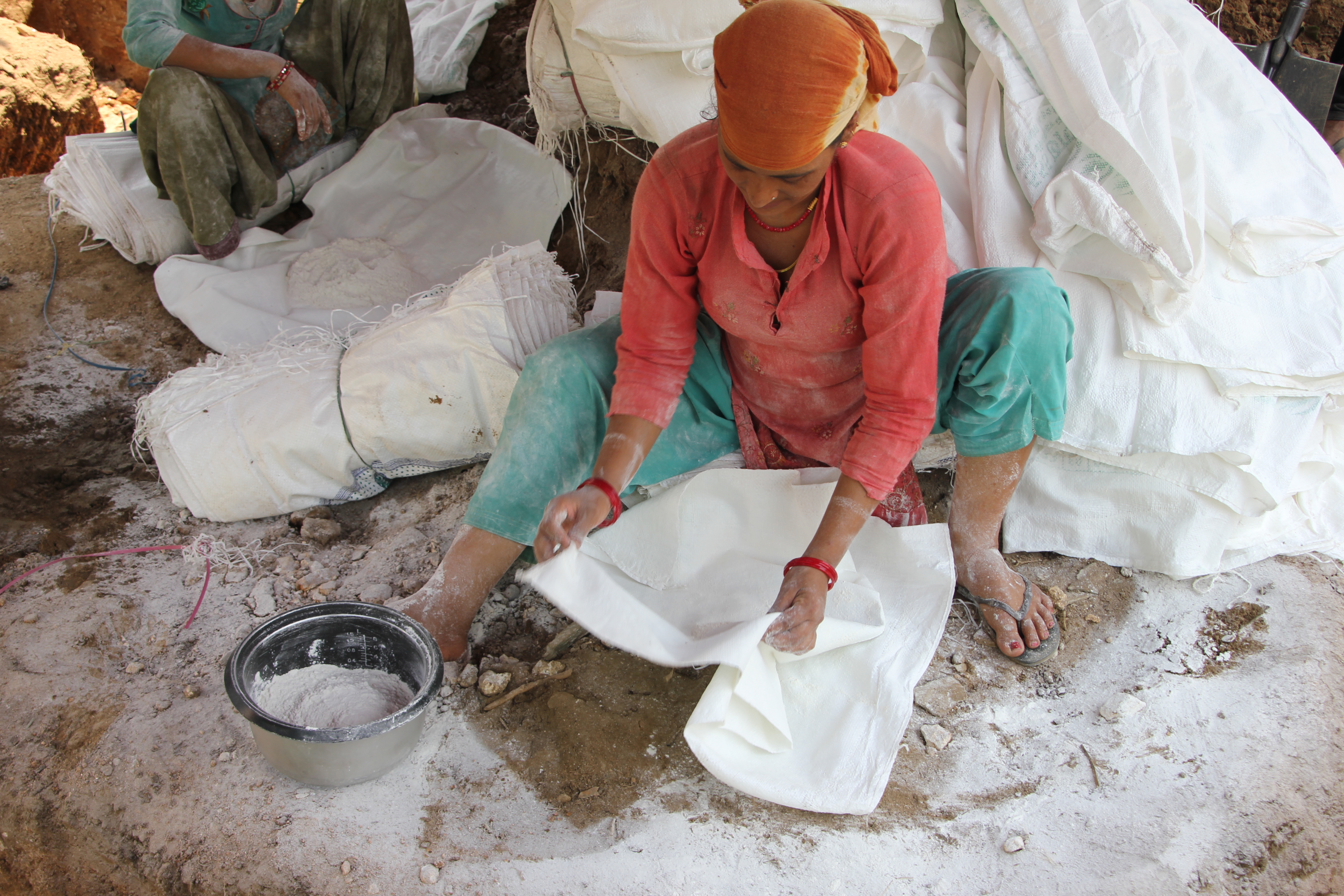
We used recycled sacks for the earth bag house, and they had previously contained flour. A team of two to three people was fully devoted to shaking out each and every sack to gather the palmfuls of flour remaining in each bag. Over the course of hundreds of sacks, the flour piled up like so. And, as Mariah pointed out, our earth-bag house was also something of a cake-house, and our team looked like a bakery.

IMG_9594


Detail #6: Kushal

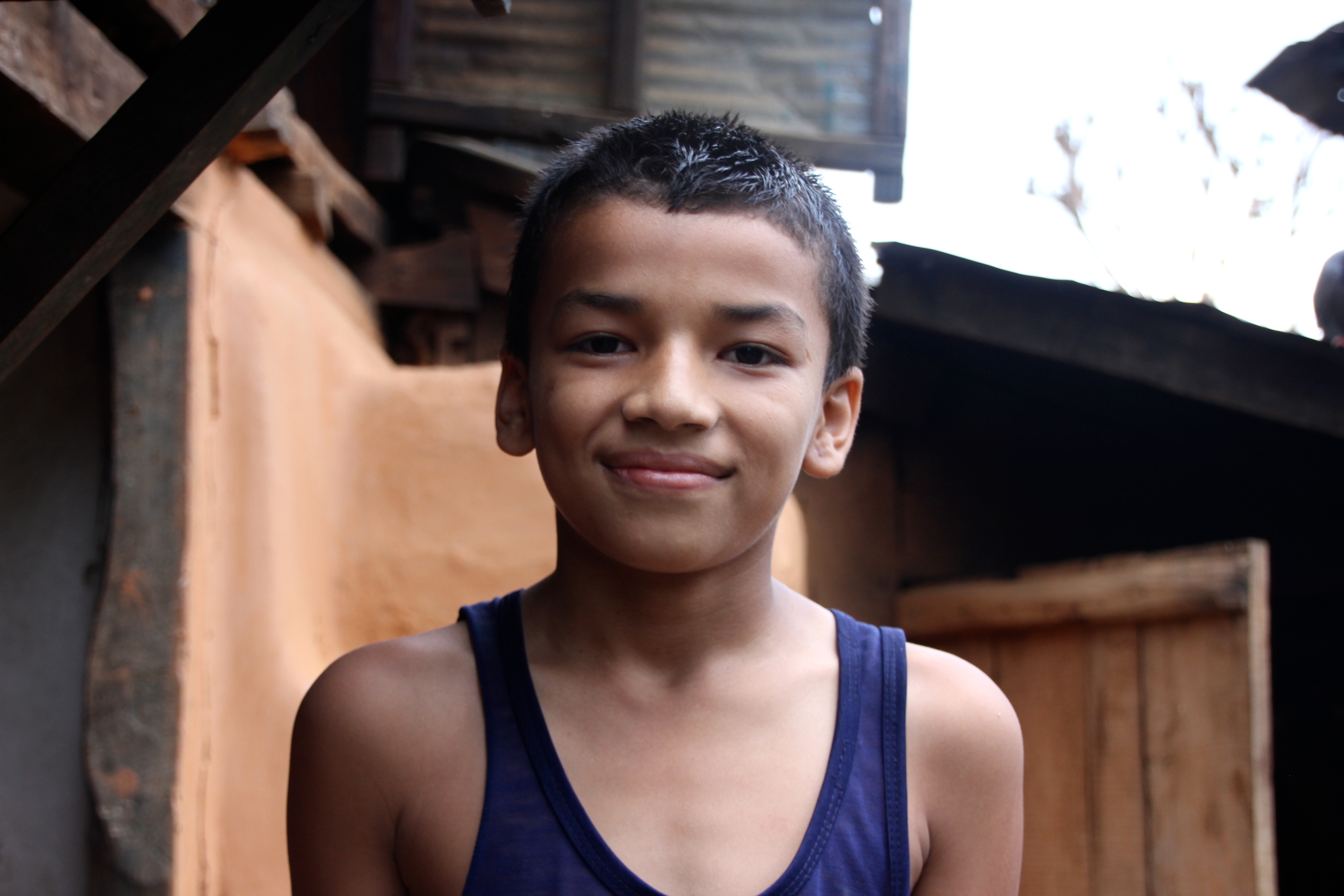
I interviewed Kushal twice. Once, so he could show me around his house (look for him in an upcoming radio piece for BBC’s The World). The second time, to ask him what he thought about this whole housing thing, and what his perfect house looks like in his imagination. He talked to me about magic, in english, and I recorded it:

“Everything is magic. I walk, you walk, it is a magic. We can jump, we can speak, anything is magic. This is a house, it is also a magic. In the stone age, there was nothing like this house. In the stone age people lived in caves and they didn’t feel safe because animals can any time harm them. But we can feel safe here. There are many inventions like radio, microphone, camera, and DVD, laptop, computer and radio, it is also a magic. The people are developing magic. I don’t know surely, but I want to do some magic in my life. My life is also a magic that someone has gifted me, and your life is also a magic that someone has gifted you.”

.      .      .

IMG_9437

Possibility of Tin


The first part of the group left for Archalbot on Thursday: Robin and Colin, the French volunteers, and our field officer Dilmaya. I came a day later because I was working on IMG_9463getting our new office set up. Actually I was busy repainting it with the wrong type of paint, so before I left for Archalbot on Friday, I had to call a painter to redo my redo.

On Friday I rode out to Bote Orar, where the road to Archalbot turns off the main highway between Dhumre and Besisahar. When I arrived at about 5pm, the earth bag house already had a one-meter deep rectangular foundation.  Not bad for one day’s work.

As dusk fell, Dilmaya and I accompanied some of the young men to a clearing on the edge of a terraced field for a community meeting. We sat across from the tarp-shelter in the field.

We’d explained the plan to our local organizers, Kripa and his cousin Surya: anyone who builds a shelter gets a tin roof from us; the earth bag house is a sample building style and we can provide materials if anyone else wants to do it; the family in the field will be a sample building project where the community works together build a bamboo house in a day. Kripa and Surya were getting a lot of questions about who would get tin for what, and they wanted to gather their neighbors and discuss this plan in front of us, to protect themselves from future accusations of greed or favoritism.

IMG_9471

With night falling around us, the discussion that unfolded was amazing. It basically boiled down to: “This organization is here to give us tin roofs for completed shelters. How are we going to help each other complete shelters?” They discussed the order of priority in the village – everybody agreed that the tarp family in the field was the top priority – and other matters such as where and how to get enough bamboo. Even the tarp family made their way over to the meeting, but they seemed guarded, unsure whether to believe us and everybody else. It was their neighbors who explained the plan and assured them they needed to start collecting bamboo.

People kept turning to us and saying, “How many houses are you going to build? Tell us and we’ll figure out who should get them.” And Dilmaya and I kept saying, “You tell us how many houses you’re going to build, and we’ll bring one bundle of tin per family. If we have the problem of too many people building, we’ll deal with it later. That’s never happened.”

Dilmaya did a great job of continually redirecting the discussion back to that point, that everything depended on their planning, and we’re there to meet them wherever they can get to. One guy asked if large families would be able to get more than one bundle of tin. We replied that’s not up to us; our allotment is one bundle of tin per family, and people can add more area with re-used tin or natural materials. “On the other hand,” we said, “as a community, if you guys tell us that a certain household really needs more tin than that, we’ll believe you.”  Because nobody’s going to be the jerk who tries to make off with unneeded extra tin under the scrutiny of the entire village.

There are still many of steps between this meeting and a rebuilt bamboo village in time for monsoon. But I’ve been doing community work in rural Nepal for nearly a decade, and this was as good as it gets at this stage. What you hope is that your attention will mobilize existing capacity and snowball in to a collaboration that combines the best of what we have with the best of what local people have. When we can frame our “aid” as an incentive, even though we want to give it away, people start to ask each other, How are we as a community going to capture the possibility of tin?  Our responsibility is to maintain a consistent and intelligent presence, to keep redirecting ownership back to the community, to closely monitor to make sure nobody’s taking advantage, and to live up to our word. We bring in a small quantity of crucial expertise in building, plus the final critical hardware: a new roof.

There’s also the simple value of spending time with people.  When we arrived, the corn field that needed to be cut down to make the earth bag house was still standing, and the family slashed it in half an hour–but IMG_9492they weren’t going to do that until they saw us standing there for real.  Kushal, the twelve year old boy we met during our assessment, called me almost every morning between Monday and Thursday, and he never had anything to say. He just wanted to see if I’d pick up.  Millions of rural poor go unseen by the world unless they are in the midst of a thrilling crisis that offers the chance for airdrops, mass collection of first aid materials, teeth-clenching field medicine, and smoky photos of catastrophe. But the persistent plight of invisibility and systemic disenfranchisement is too complicated and time consuming for most of the world to attend to by looking people in the eye.  It’s not the habit of our global society, of our governments or social organizations, to sit down in a clearing and say, “We’ll stay here and work on this with you. What do you think?”
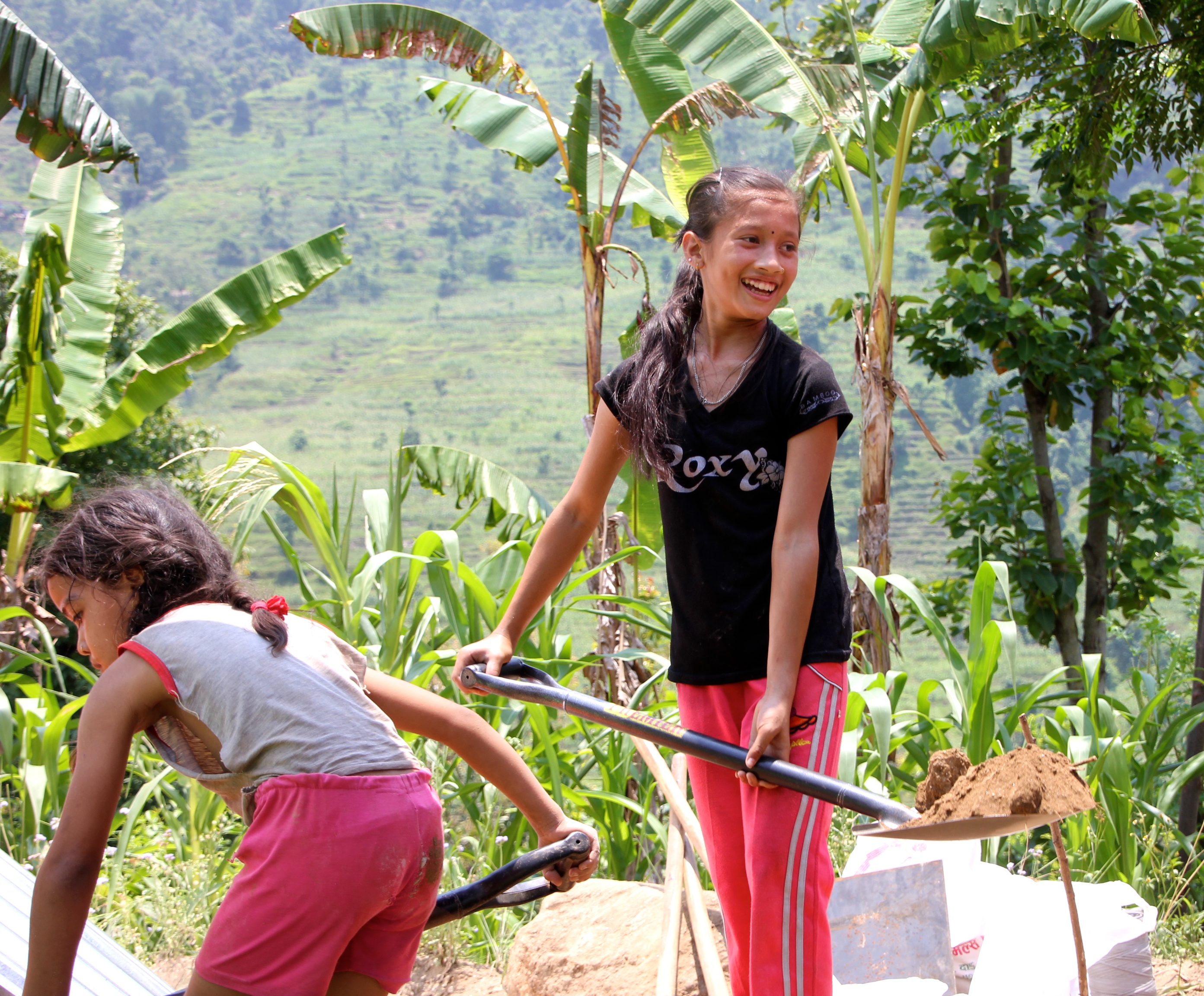
I understand why large aid agencies can’t work like this. It’s not their job. They have the budget and infrastructure to strategize to best possible average and cast a wide net; their purpose is to get to the highest number of people, not to reduce the amount of waste or increase the amount of human connection. And Nepal needs them.  An organization like ours could never hope to reach any reasonable fraction of those in urgent need using our approach. But I’m reminded how much groups like us matter, even in the face of a gigantic task like building half a million houses in a few weeks. Because the best possible average still leaves out a lot of people, and for each one of those people, their house is 100% of the problem.

This strategy doesn’t always work, and I don’t know how things will turn out in Archalbot, although I admit I have a good feeling about it. But the hardest part is that you have to be willing to walk away if the community can’t carry its weight, and that’s devastating when it happens, because you and your team have put your heart in to it. You sit in the grass with people while they work things out. You tell them you are there for them and that you respect the wisdom they bring to the process as well as the result. When it falls through, it doesn’t just hurt your budget, it hurts your sense of hope and capability. It’s not something you write up in a report and send up the chain to management. You just go home and cry.

But what am I talking about?  Here’s to you, Archalbot.  We’ll stick it out for better or worse.  Show us how it’s done.

.      .      .

 IMG_9569

Dreaming of Safe Boxes


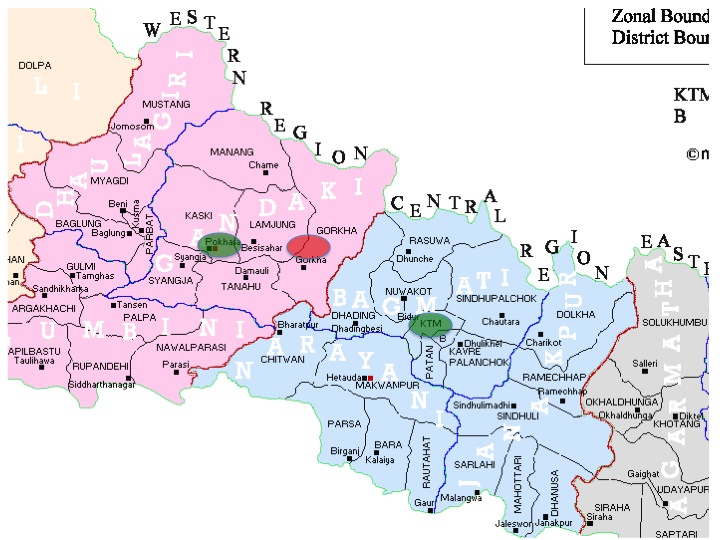
With a lot of thought going in to our current Kaski Oral Health working areas, we’ve also had quite a bit of discussion about whether, how, and why to get involved in a village closer to the center of the damage, where a higher percentage of houses – in some cases up to 90% – have been destroyed.  Lamjung, the next district over, shares its eastern border with Gorkha and this border was the epicenter of the earthquake.

Slide24

With all this going on, I’m gradually appreciating how much experience we’ve developed in community-centered design that incorporates multiple systems and people to address even a very specific issue like dental care.  I think that if we can work in one of these districts, we should because we can.  I also feel it’s important to have local, grassroots organizations involved and setting examples in the places where large agencies are doing a lot of work.

As I ponder how we can turn this expertise in to something useful for earthquake-relief (and I think we should have a moment of appreciation for the activity of pondering about turning expertise in rural South-Asian dental care in to earthquake relief), it seems the first step is to be working with a single community in a defined area.

I am hoping that if we can locate a community that’s a manageable size for our capacity and funds, we can at least do a really good job of using a community-centered approach to set up transitional housing in one Lamjung village, with the goal of creating an example to be copied by agencies with more resources. Once we see how that goes, we can decide if it makes sense to bring in another layer in the same community, such as the counseling element that Dr. Aung from the WHO suggested.

I’ve looked at four types of housing so far: Kiran’s tunnel, a simple tin tunnel, something called earthbag building that uses sacks of dirt and can be made to look very much like a traditional home – and then there’s the option of simply providing people with a corrugated tin and some other materials and letting them have at it.

All this was kicking around in my head the other night when I was in Kaski with Aamaa. While we were having dinner a crazy lightening storm started—the kind that’s more like a constant flickering than separate strikes of lightening. There is a lingering sense of nature’s awfulness in the air and everything feels foreboding, even the normal, dramatic patters of weather typical to this season. As we turned in for the night, it began to pour.

P1070133Lying in bed between the sturdy earth walls of our house, listening to rain clang on the tin roof, is one of my places of greatest serenity. This is my favorite way in the world to fall asleep, and my favorite way to wake up. You can hear the entire the distance from the ground under you up to the sky, but all the noise and space are close and balanced and soft like a blanket.

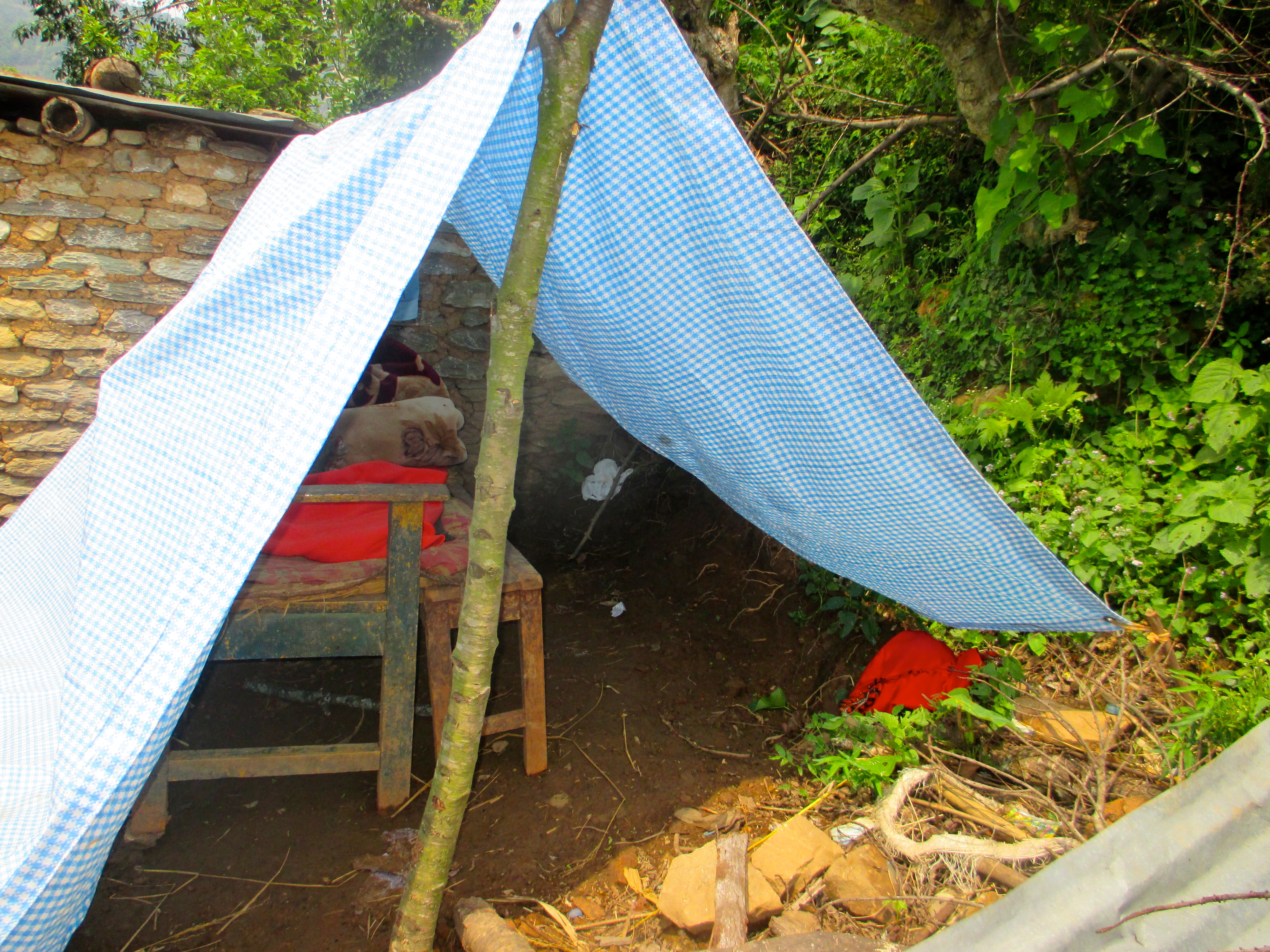
In my half-dream state, I found myself thinking about people lying in their makeshift shelters, with doors of plastic sheets or thin bamboo or synthetic, brightly-colored things, easily torn down or penetrated. Aamaa walks around all day with a key to this house hanging around her neck. She even sleeps with it.  It suddenly seemed like a great indignity to have no door to close, nothing to lock up, no single space to block out the rest of the unknown and uncaring world.

Not to mention the practicalities. Where are people storing any precious photos of grandparents extracted from the rubble? The few pieces of jewelry or any cash they are lucky enough to still possess? You’d have to walk around with all of this stuff on you all the time.

IMG_1719My mind reached about, searching for something that people could shut tightly, a safe box that can’t be stolen when there are no bolts or securities anywhere. Into my head floated a picture of a locked metal container with a pipe welded perpendicularly to the bottom, and a wide plate attached to the other end, like an upside down T. You could dig a hole, place the box in the ground so that the top of the T rests on the bottom of the hole, and then fill the hole in so only about half the box is above ground with the top accessible. There would be no way to lift this locked, anchored box, so if someone wanted to steal it they’d have to surreptitiously dig up the entire affair inside your tarp-house and then sneak out with a large metal T sticking out from under their shirt. Which, if they could pull it off, AND get your lock undone, then hats off to them.  Because the key would be on a string around your neck.

I fell asleep to the sound of the rain, wondering if we could produce a safe like that.

.      .      .

Looking for Shelter


I woke up tired today. Partly because I stayed up so late writing, and partly because we’re all sleeping on the floor of the living room by the front door.

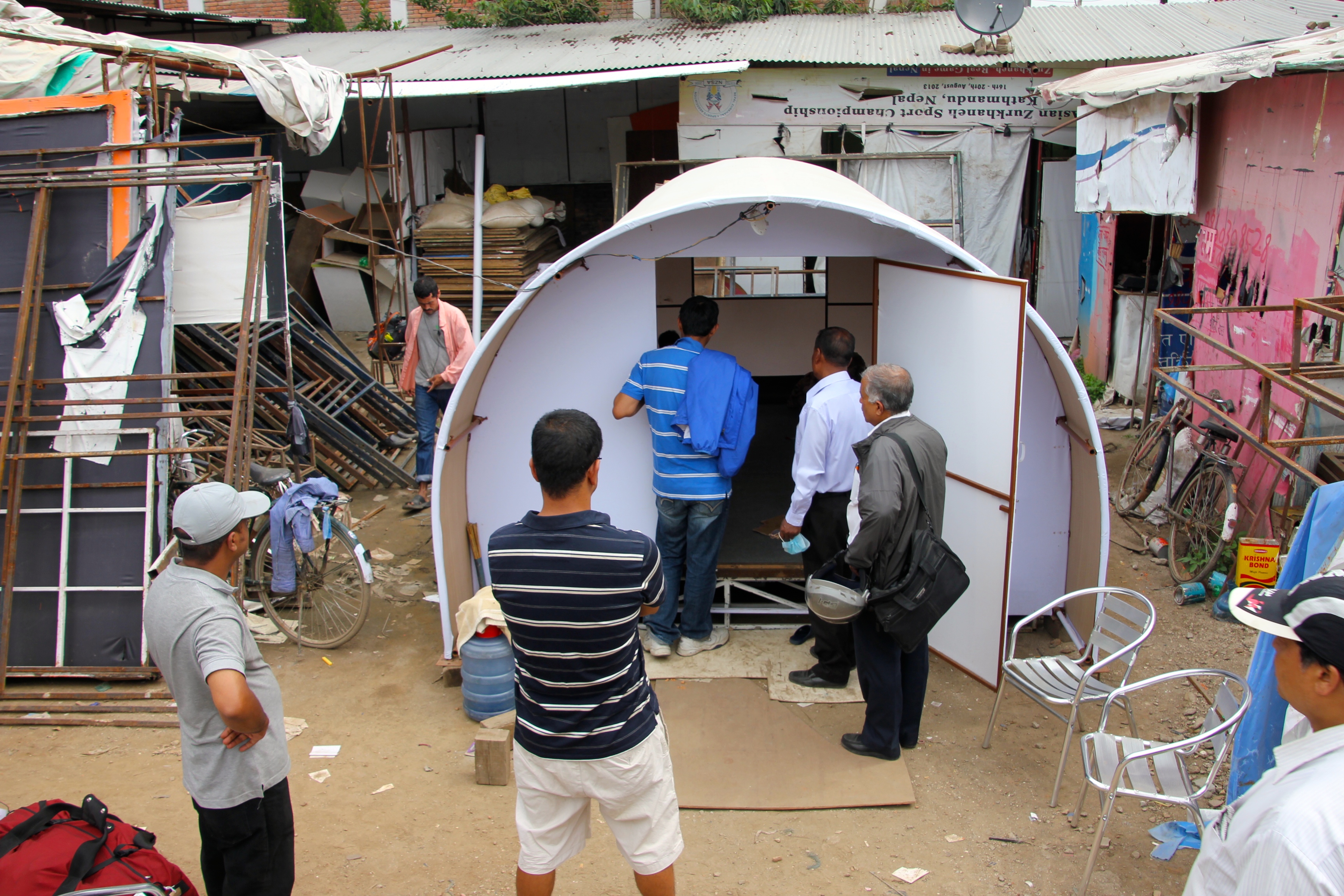
But I had an interesting morning. I made my way to an outdoor lot full of incomprehensible discarded piles of things, where Dr. Kiran’s group, SXJ-95, was meeting about their transitional housing unit, a clean white bubble sitting in the middle of the mess. It was really fascinating to hear how they’d developed this design by researching other units, most notably the post-earthquake shelters used in Pakistan. I’m going to save the details, because I hope to produce a quick audio slideshow about it.

IMG_8773While I was there watching, two government officials came to inspect the prototype, and discuss minor modifications so that it could be used to replace a destroyed Health Post in rural Lalitpur. By the time we left, the builders were getting back to work on the second unit, with a plan to drive the pieces to Lalitpur and set up a shelter within two days.

This has really got me thinking about transitional housing as a possible use for our relief fund. I plan to either donate it to a group doing really valuable work in rural areas, or finding a project that we can do well. It has been such a chore to procure and deliver tents – which are getting more and more expensive – and it’s frustrating to know that, while obviously better for people than no tent, this is such a short-term improvement. Plus, each time a transitional shelter is placed in the field, it’s an opportunity to get feedback and improve the design, so if we can collaborate with a group like Kiran’s, perhaps we could contribute to the larger good in terms of research and design.

SXJ 95’s unit costs about $500, but they put a lot of thought in to user feel and aesthetics. On one hand, this means we could potentially offer rural families upgraded transitional housing; on the other, we couldn’t afford very many. I plan to keep in touch with Kiran about their test in Lalitpur and maybe see if this design could be used for another health post or school classroom. Here’s a recent article by Gordon Brown, former Prime Minister of the UK, on the importance of reinstating schooling for basic child safety and welfare (sorry for the sensationalist title).

I left the crazy stuff lot with its shelter bubble, and my next stop was the Ministry of Health and Population. The World Health Organization holds bi-weekly meetings in collaboration with the Nepali government, where all of the major players in town for recovery – large iNGOs, foreign medical teams, etc. – come to share information. These meetings are divided in to clusters, such as Health, Communications, Shelter, Security etc. I went to the Health Cluster meeting.

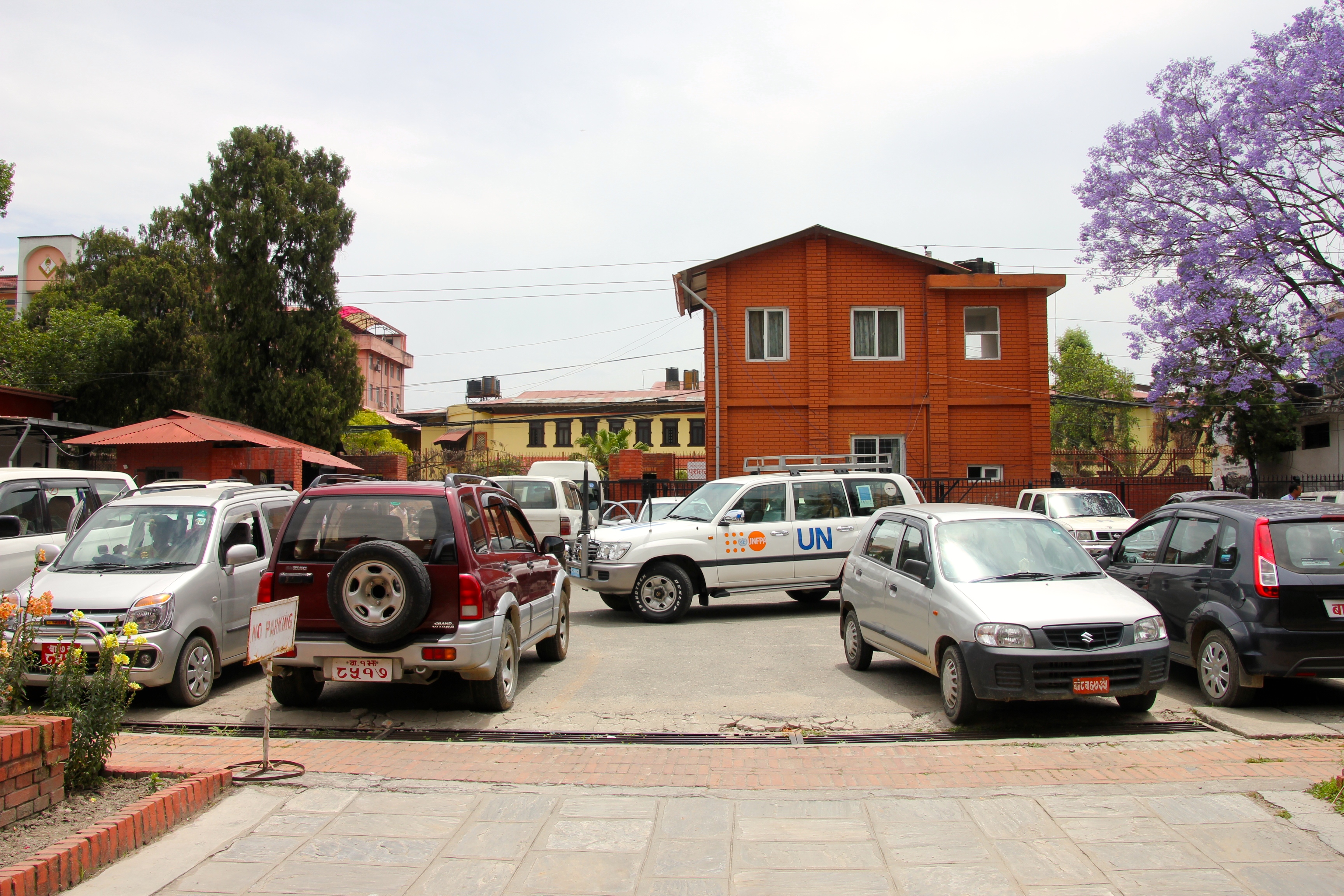
This is the opposite end of the spectrum from the WHR’s and SXJ-95’s of the relief effort. Kiran dropped me off, and I hopped out of his car into a parking lot full of oversized, logo’ed SUVs. I made my way to a packed meeting hall – probably close to 100 people of various nationalities. I sat in the back of the room and scanned the emblazoned vests in front of me: World Vision, Save the Children, AmeriCares, International Medical Corps. Japan, Switzerland, Canada…and then in the back, some straggling foreigners like me, probably there to get the lay of the land.

IMG_8789The meeting was led by the WHO rep to Nepal, Dr. Lin Aung, with government representatives in attendance. I had missed the first 20 minutes or so, but listened to some updated figures, and then attendees were invited to share what they’d been doing. That part seemed a little odd. They would announce the name of an area – “Sindhupalchowk?” and then various groups would stand up and say what they had been doing in Sindhupalchowk since the last meeting. It was more information-sharing than strategizing – but maybe these groups have other methods that they are using for truly coordinating their efforts.

After the meeting, I went to go talk to Dr. Aung. Ironically, I was trying to meet him all winter because I thought he’d be a good person to know for Kaski Oral Health, and I was never able to get in touch since I’m rarely in Kathmandu. But when I introduced myself, he turned out to be a very friendly and genuine guy. He gave me five minutes of undivided attention, even though another half dozen people were waiting to talk with him.

I asked what he thought a small organization like mine in Pokhara could do to pitch in to the relief effort. Like others, he said we should be thinking medium and long-term, which is where multilateral agencies aren’t nearly as agile or embedded. He said that with our community ties, we should focus on counseling and psycho-emotional support.

I said, “We don’t know anything about post-disaster counseling.”

He said that the psycho-social cluster is developing protocols for this kind of thing and gave me an email address where I could access this info.

All of which tells me that, for better or worse, coordination is almost completely at the discretion of aid providers. I think – and you could argue that this makes sense under the circumstances –things are really set up such that, in order to find the best way to participate, organizations large and small have to make a point of reaching out.

I’m not sure why I’m a little hung up on this. But I suppose we’d like to think in a humanitarian crisis of this nature, somebody has the answers and can tell us all what to do – and maybe somebody should know. But the basic fact remains that everybody is winging it to some degree, and I can’t argue this is exactly anyone’s fault. It seems like it’s really one of the cruelties of the whole situation.  The real blame lies in the injustices of the past that led to poverty and bad planning and lack of security, not in the present where nature took over. In any case, it seems like coordinated strategic planning is largely a matter of self-discipline.

Before I left for Pokhara, I went to visit a friend who is the CEO of Teach for Nepal. Most of their teaching fellows were there for a day of counseling with social workers from Israel, experienced at working with disaster trauma. I learned that one of TFN’s young teachers perished in Sindhupalchowk. The day of the earthquake, my friend and her husband were unable to call a helicopter to Sindhupalchowk, so they drove 5 hours to get there and dig through rubble themselves.  It was out there that they realized they’d actually lost her.  Now they are left with continued aftershocks and their other 89 fellows to send back out to their schools.

Everyone is spinning.

By the time I got on the plane to Pokhara I admit I felt pretty down. I had also spoken with my friend’s husband who has worked on a shelter that costs just $100 and might be a good option – we could potentially provide an entire community of about 100 -200 families with safer housing while they rebuild. But everyone is so hurt, psychologically and otherwise. The scale of rebuilding that’s needed is really hard for me to wrap my head around. I really just wanted all of it to go away.

At the airport in Pokhara, Prem was waiting for me. And as we crossed the road, Aidan was on the other side sticking his head out the taxi window, shiny as a stamp, his cheeky toothless grin lighting up the whole city. Pascal insisted on sitting in my lap for the seven-minute car ride. I gave them some super-sized squirt guns and unloaded the rest of a bag of Reese’s Pieces.

We went out into the late afternoon Pokhara sun, and walked to a plot of land up on a hill, where leveling strings are stretched across deep foundation holes in the ground. Prem and Didi are building their first house.

*      *      *

IMG_4905

For anyone wishing to support Dr. Kiran’s group, SXJ-95, you can do so here: http://bit.ly/1ReQ8gj.

Teach for Nepal is providing relief in their working areas, and will have a special focus on rebuilding schools. You can support them at http://nepalrelief.teachfornepal.org.

A New World

It was nighttime as we flew in yesterday, so I couldn’t watch the terraced hills coming in closer and giving way to Kathmandu’s gritty buildings. Staring at the city lights flickering in the vast darkness below, I felt a wave of sadness. I couldn’t shake the feeling of arriving in a foreign land and it made me feel like a foreigner to myself.

The normally quiet tarmac at the airport was scattered with a handful of helicopters and few gigantic cargo planes with their hatches open. And in a way that only Nepal can do, it seemed that someone had made an effort to spruce up the airport for an onslaught of international visitors: a new routing through the arrival area, which wound past a recently installed station where a vinyl banner reading HEALTH DESK had been mounted. A large sign announced that anyone having recently come from Africa was required to stop at the Health Desk for processing, and behind it, an airport official was tinkering with his iPhone. We all shuffled past him, to the main arrival terminal, where the computers weren’t working.

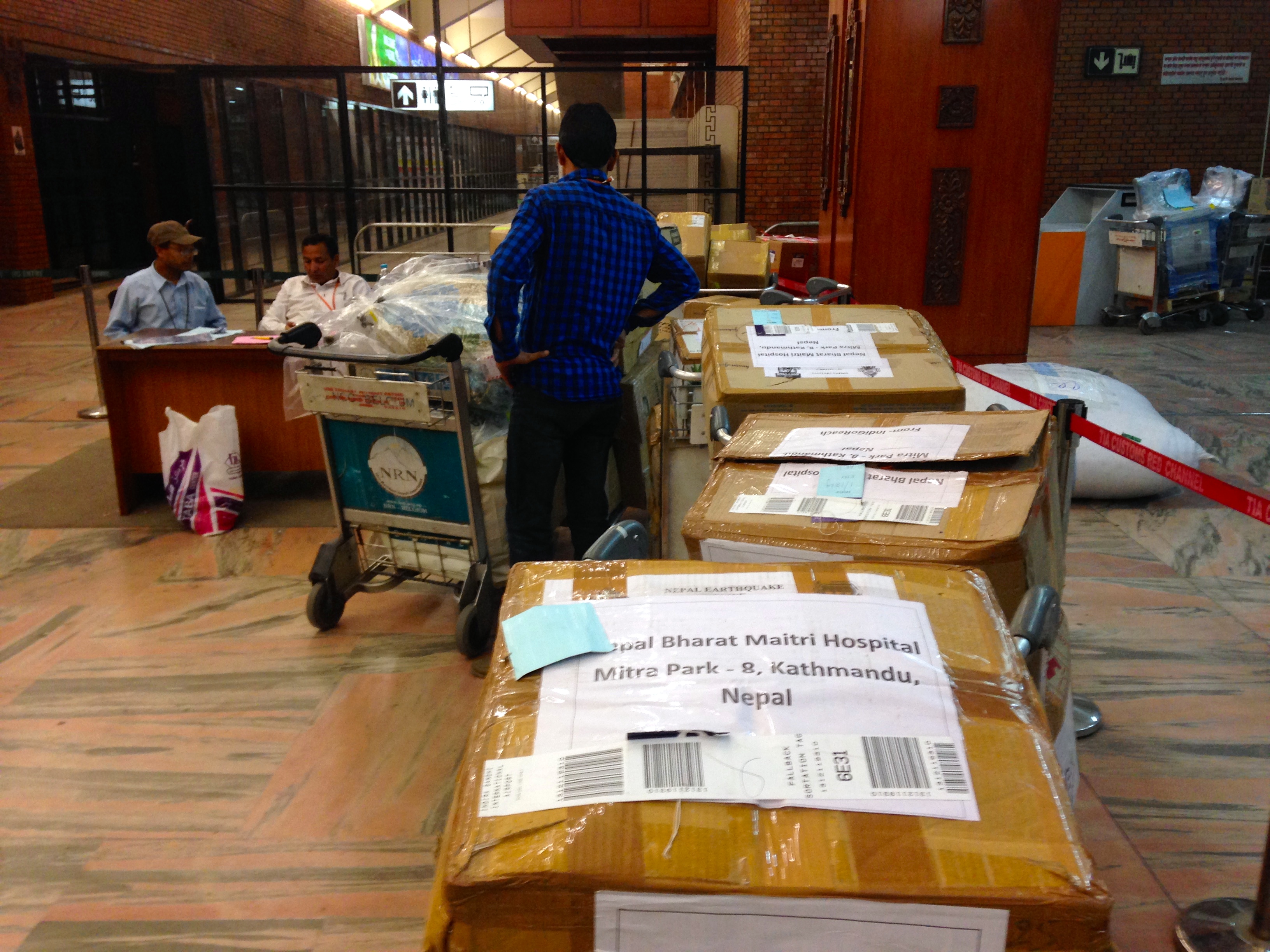
IMG_4863I was one of only about five foreigners waiting for a visa, which was new. And the baggage scanner that was previously set up at the airport exit was gone, probably to make way for a more official exit procedure. But to either side of the revised exit procedure were piles and piles of packages. I took a photo of a stack of boxes addressed to a hospital; it did not look anyone was in much of a hurry to get these parcels distributed.

Following Tuesday’s second earthquake, everyone is taking precautions again. On the cab ride from the airport, I didn’t see many damaged buildings, but people everywhere had tents up outside along the road. I stayed with a friend and the whole family slept on mattresses in the living room, right by the front door, which was left unlatched.  That’s where we are again tonight.

IMG_8714Today I spent the day getting a taste of local relief efforts, and it validated my early suspicion that the energy and creativity of locals can’t be dismissed. My friend Dr. Kiran Awasthi, who has trained all our dental technicians through his organization, has been furiously working with a group of high school classmates to distribute sanitation materials that will help prevent disease outbreaks. His connections through the private sector and health ministry have allowed his group to become a trustworthy distributor of hard-to-find supplies. They’ve also researched, designed and built a temporary housing unit in just two weeks, and they’ve tried it out in some areas already. Obviously the government will ultimately have to take the lead on a large scale, but groups like this are doing a huge amount to help get there more quickly.

My second stop was with a group called Women for Human Rights. Before the earthquake, I had planned to visit them on this trip to do an interview for a radio story I am producing about young widows in Nepal (as part of a series on migrant labor called Between Worlds…but that’s another story!). Like everyone, Women for Human Rights is also doing what they can towards relief, in this case for women especially. So I interviewed their founder about their aid efforts, and then went to a shelter they’ve set up for young mothers and children. It is a large canopy at one of the tent cities in Narayanchaur, at the center of a gigantic grassy mound in the middle of a traffic circle. I interviewed a 22 year old girl whose baby was three weeks old when the earthquake struck. When I asked the kids what they thought of spending their days lounging and playing in the hot sun at the camp, a twelve year old girl chirped: “It’s fun!”

I know that the government and army are making major efforts, and personally I believe very strongly that the government should be viewed with high expectations, tasked with responsibility, and held accountable.  But that said, there is huge distrust among the people of Nepal and the international community about the government’s ability to distribute aid, much less rebuilding, quickly or equitably.  There are still swaths of the hillsides where people have lost everything, suffered injuries and death, and received NO AID.  I couldn’t help noticing that when I walked past the police station, about two dozen officers were hard at work breaking, organizing and laying bricks – rebuilding the wall of their own compound.

IMG_8736

So that was a pretty long day. I already have hours of tape to sort through and tomorrow will bring a whole new chapter of stories before I fly to Pokhara at 3:00. I’ll be glad to get out of Kathmandu – about 70,000 people have left the city since the second earthquake on Tuesday.

Nepal has always shown me a graceful, practical relationship with nature and its whims. But everything feels wrong. Twice today I was in the middle of a conversation with someone who suddenly stopped and said, “Is that an aftershock?” and I couldn’t even feel any shaking. Everyone is on a razor’s edge. People keep telling me, “Things were getting back to normal,” when talking about the second earthquake, which really tells you something, because things were definitely not normal last Tuesday morning. But the second time seems to have redefined “not normal.” It’s as if now the injury of this event is not yet quantified – the sensation isn’t that something terrible happened, but that it is happening, and the final damage is unknown.   As long as the cost remains pending, the reckoning is impossible. You can’t mourn much less rebuild something that is still breaking apart. Everyone is just waiting, even as they run around providing aid to each other.

I will be glad to get to Pokhara tomorrow, but I think this month is going to be as strange and unsettling as expected. My mind is racing with ideas for how to make the best possible use of the $14,000+ we raised for aid, and it is good know that we have the ability to do something, or to provide significant support to someone doing something effective and under-funded. One idea I’m thinking about is collaborating with Kiran or a similar group working on temporary housing. Tomorrow, I am going to get an overview of how the big aid is working.

But I will write about that tomorrow!