Nooks and a Little Sauce

IMG_0412

Over the course of 13 years in Nepal, I’ve spent almost all my time in villages. My whole understanding of Nepal, and all my friends, routines, the food I eat, the places I sleep, even the way I speak the language and therefore the way I think, have been organized around my adopted family and rural life, or its popular sister, the cramped and thankless circumstance of recent urban migration.

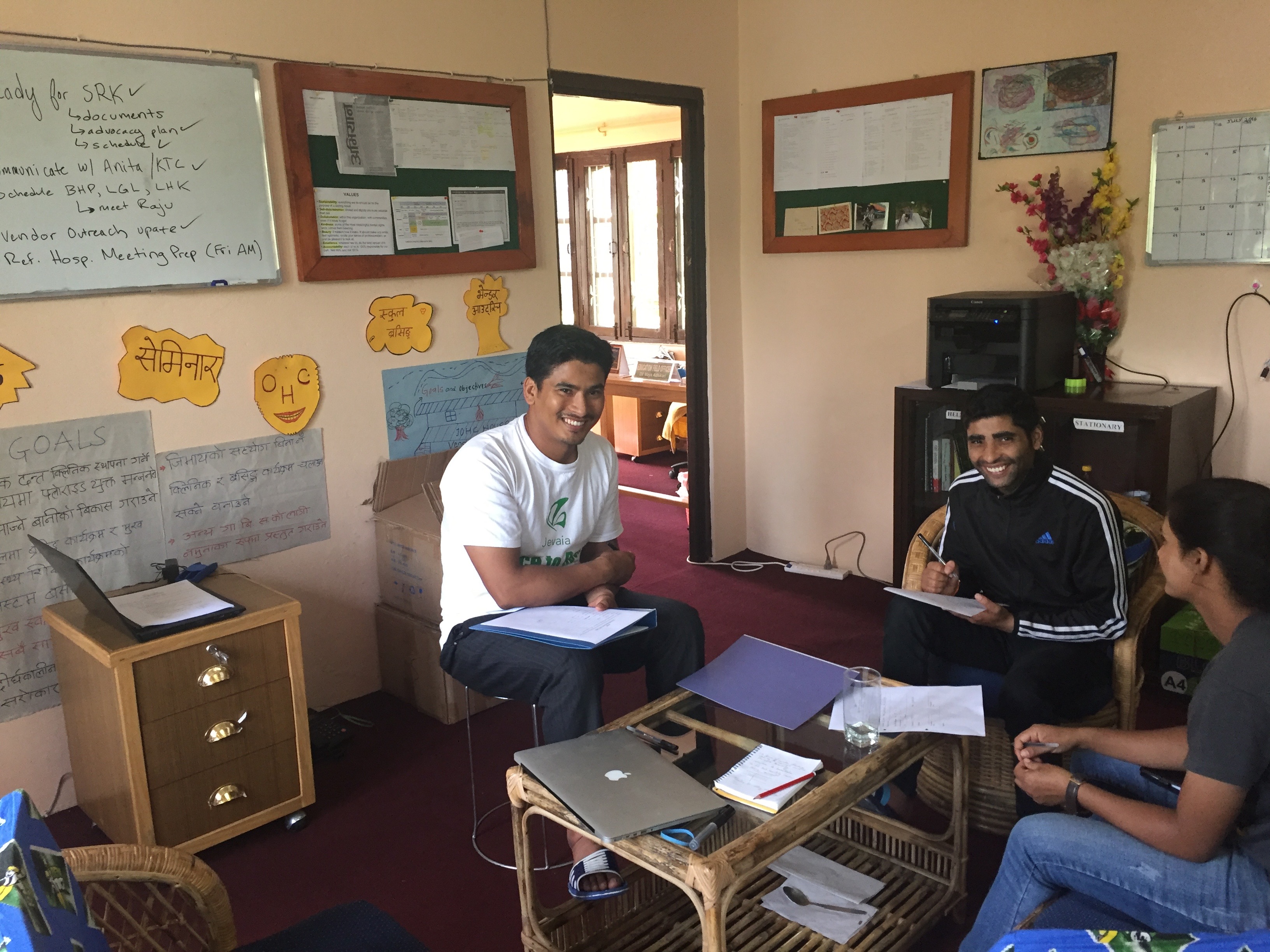
But this summer, I’m full-time supervising a city-based office with four people and a field staff of 16; getting a latte each morning; diving in to health care policy and human rights frameworks. I schedule coffee meetings and visit offices. All told, it’s only in the last 1-2 years that I’ve started getting to know some of the other long-term foreigners and NGO founders living in Pokhara, who all pretty much know each other, because they all live in the city, which for me has always been just a place to visit for work. And when I’m here, my non-work life is completely centered around my (recent urban migrant) Nepali family.

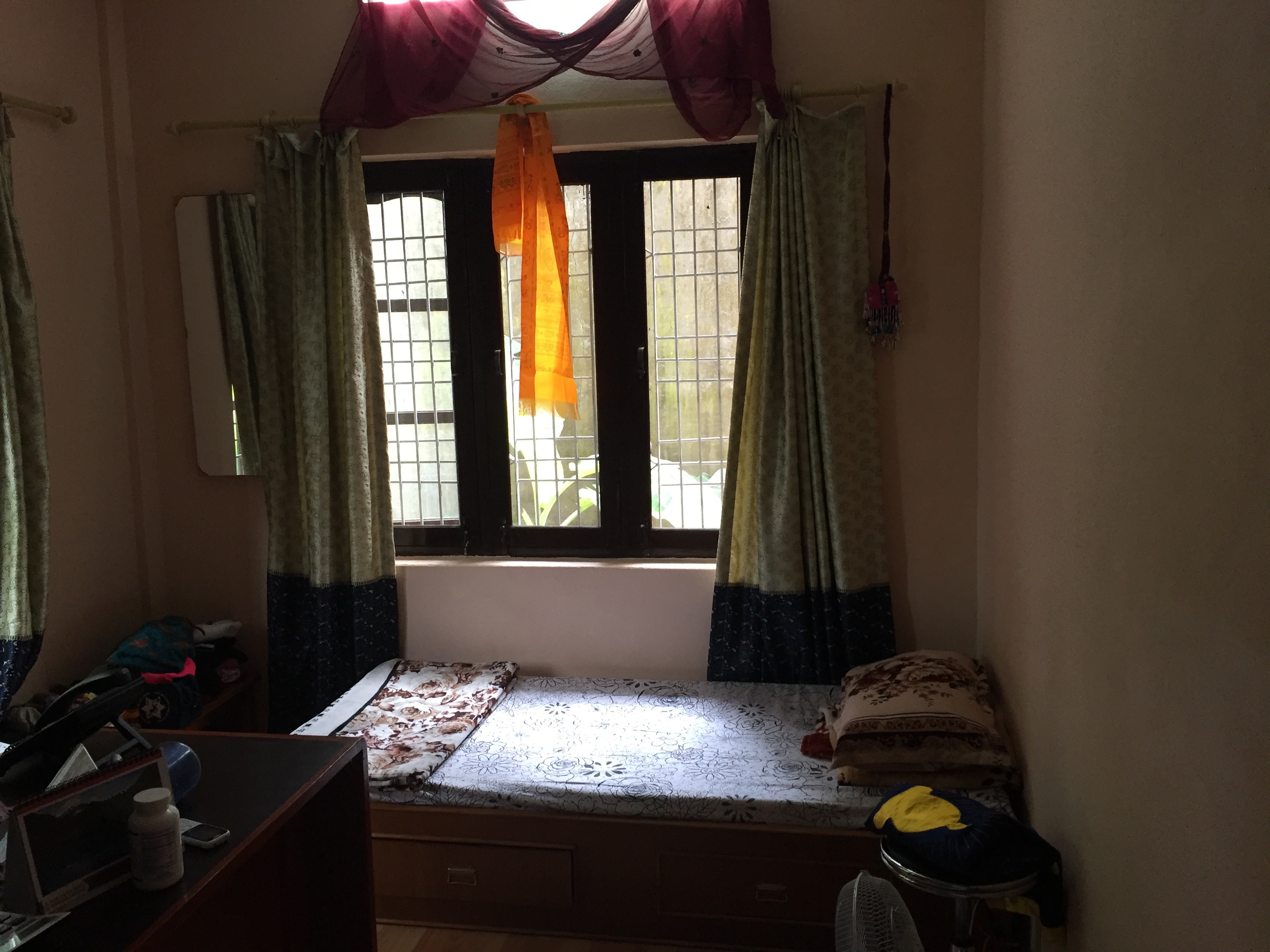
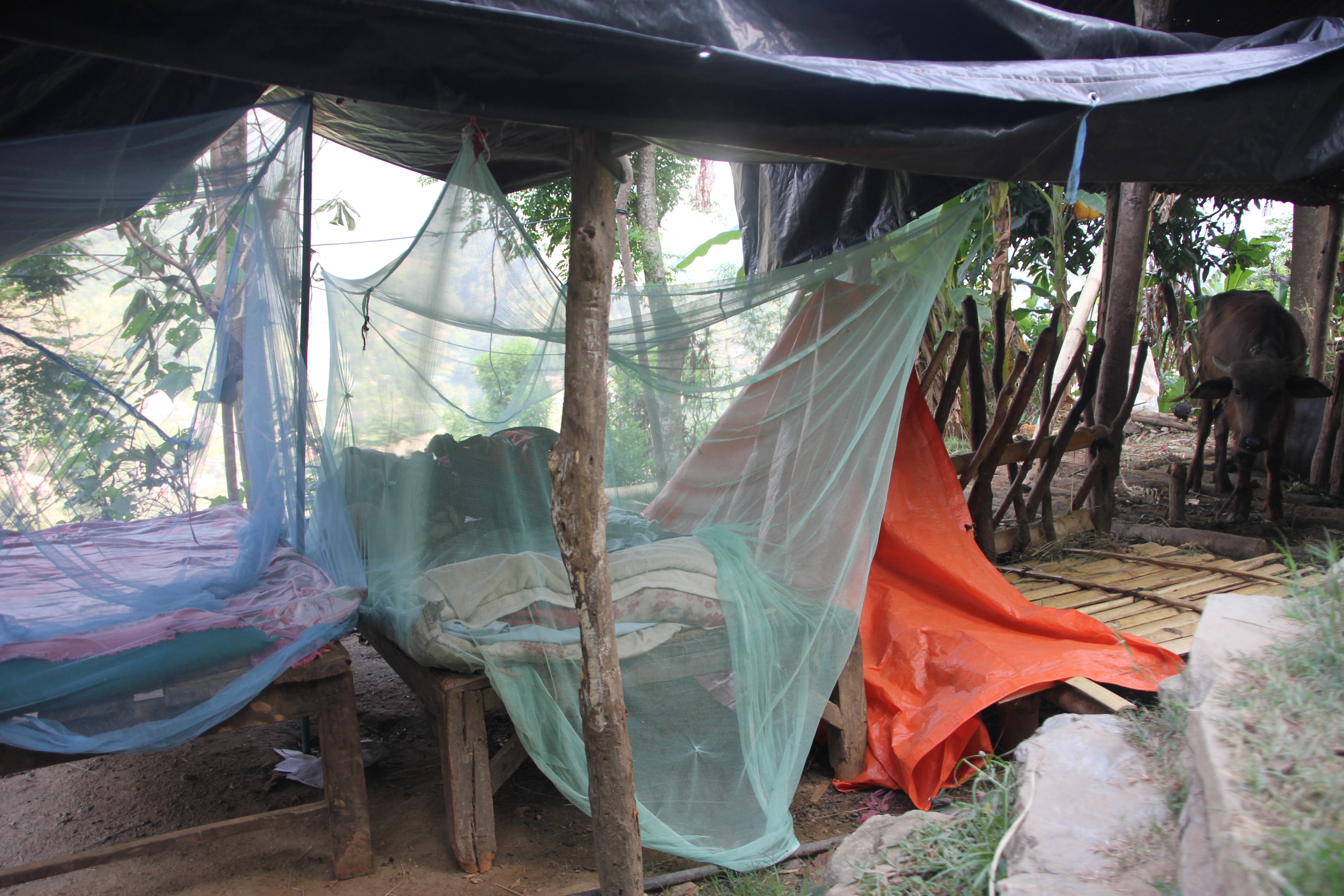
There’s a vague sense of discovery about this new routine. For example, I’ve been sleeping in a room in the office, and – this is going to sound weird, but – slowly realizing I can put things there to make the bed and little space around it mine. Like: a new blanket. Or: a hook on the wall. This is an especially weird feeling. In all the time I’ve lived in Nepal, the only space that’s been mine-ish is the small house in Kaski, with its two beds and one dresser that I share with the rest of the family. A single bed and little shelf of clothes for me alone, that I can modify to my liking, is a bizarre amount of freedom that I’m only even noticing bit by bit. (Mind you, we’re talking about a bed in the finance and admin room of our office.)

Obviously, I have no trouble with this in the rest of my life. But in Nepal, well, it’s just not the way I’ve learned exist here.

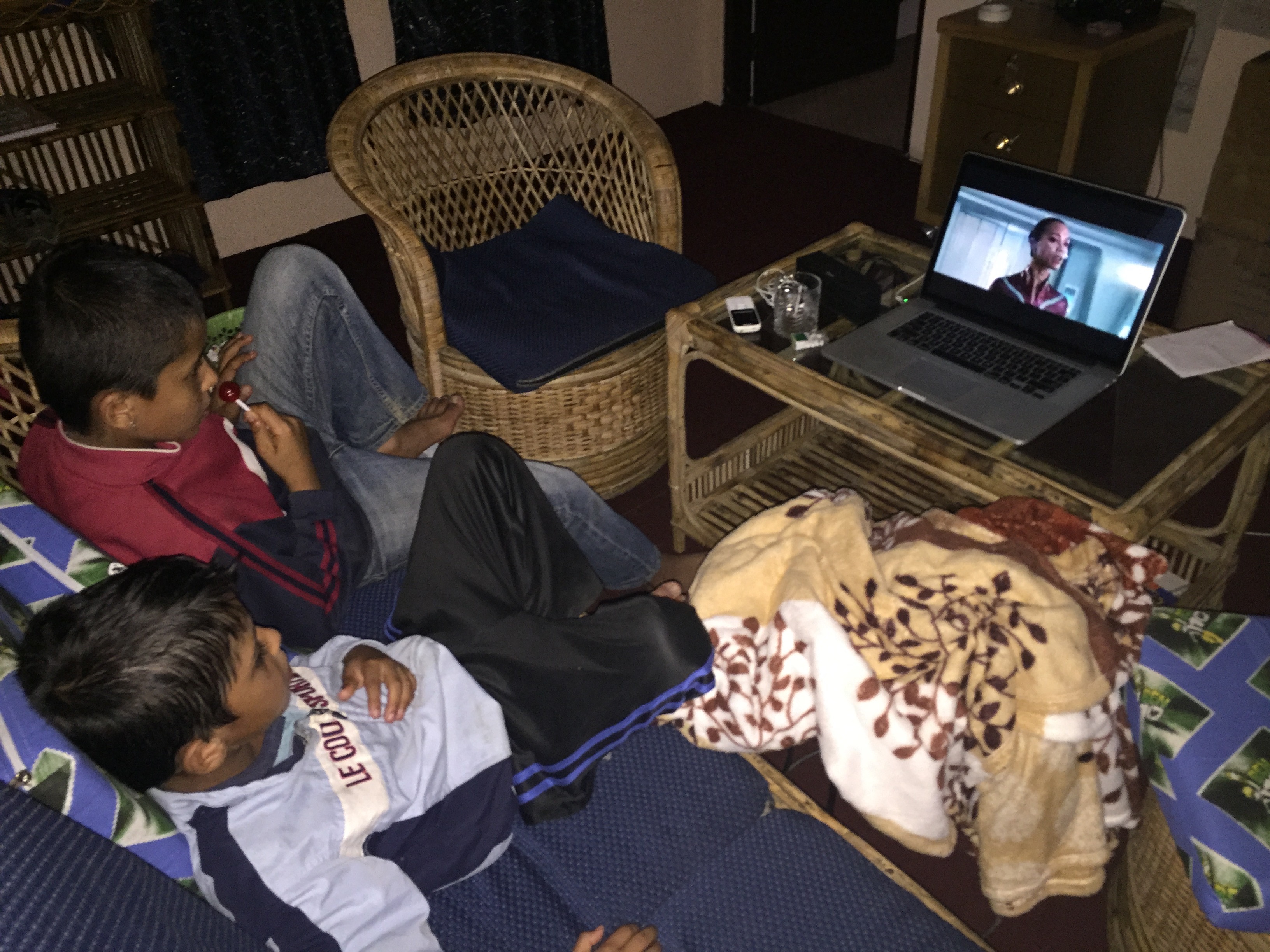
IMG_9195The other night, I had Pascal and Aidan for a sleepover at the office, with its main attraction, the Internet. We watched movies and ate treats. We’ve also been out for boating and out for dinner, because it’s fun, and we live in the city. And yet these are activities that have never remotely crossed my mind in the past, because they are more similar to how I live in the U.S. It actually never occurred to me I could do them here because the communities I spend my time with mostly don’t.

Today I went to a salon and got my hair done. A salon.

When I was a kid, I was literally the pickiest eater the world has ever seen. I know you think your kid is pickier, but trust me on this one. I was okay with a short list of simple foods, and I would gladly sit and watch everyone else eat rather than be forced to alter this known quantity. Once, I went to my best friend Katie Schultz’s house, and they made me pasta with butter while the rest of the family enjoyed a normal meal. It wasn’t till I put the pasta in my mouth and a terrifying and unfamiliar taste exploded on my tongue, that I found out that butter doesn’t taste like margarine, which is what we had in my house. The feeling of shame and fear sitting at the dinner table, hoping nobody would notice if I didn’t eat, is still with me almost 30 years later.

It wasn’t until eighth grade, on a school trip to Smith Island where I was stuck in an adolescent group eating situation, that I tried tomato sauce for the first time. For a few years – ok, until college – I’d put a little blob of tomato sauce on the side of my plate, and kind of dip my fork in it. Eventually I worked my way up to normal pasta, but to this very day, when I make my own meals, every component sits side by side so I can mix as I go. I’m no longer alarmed by new foods like I was as a child, but I don’t adventure much. I eat the same reliable items almost every day.

What, you ask, does this have to do with Nepal?

I’m not sure, but all I can say is it kind of feels the same. I’ve spent a long time in this environment adjusting to the absence of almost everything I was accustomed to before I came. I found my nook and I’m comfortable there. Rural life in particular, while not materially complex, runs miles deep, and each iteration, each day, each season and year, enriches and returns itself to the last one with a sense of familiarity and certainty: the next one will come too, even if we are not here to see it. I haven’t made a life of travel. I plopped down in one place and snuggled in. Altering its fundamentals even in small ways creates a whole orchestra of funny tastes on my tongue.

Also, FYI, we eat the exact same thing for every meal in this country. PHEW.

Mean time, I do like this blanket though. How do you like my office nook?

IMG_9255


In the Trenches


This summer I’ve been spending a lot of time sitting at a computer, in our lovely bright office, which is definitely a first.  Last summer, for example I was hiking for 10-12 hours a day in the hot sun visiting earthquake-affected homes in Lamjung, and in general, my time in Nepal is spent covering ground, carrying things, and changing elevations.  Well finally, today was a more typical day in the trenches.

We had scheduled our advocacy meeting with the Health Post committee in Bharat Pokhari.  We’re holding these meetings to push for local funding like we did in Sarangkot.

I woke up at home in Kaskikot.  I had to meet Dilmaya at the bus station in Pokhara at 8:30am, and the local bus from Kaski leaves too late and goes too slow to get me there on time, so I’d cleverly arranged a ride with a neighbor in Kaski who drives a taxi.  However, the road between where he lives and our house is totally washed out with the monsoon, so I woke up at 6am – POINTS FOR ME, THAT’S THE MIDDLE OF THE NIGHT IN MY WORLD – and walked 20 minutes to the other side of the muddy section to meet him at 7:05.  Naturally, I discovered at this point that we were still waiting for another passenger, an ill lady slowly making her way to us.  While I got nervous and then annoyed that I’d be late, there wasn’t much to do.  This is why you don’t stay in your village instead of in Pokhara the night before catching an 8:30am bus for an important meeting.

Naturally, we made it to the bus station on time despite all signs to the contrary.  Dilmaya and I took 1.5 hr very, very bumpy ride out to Bharat Pokhari, cutting over some intervening foothills.

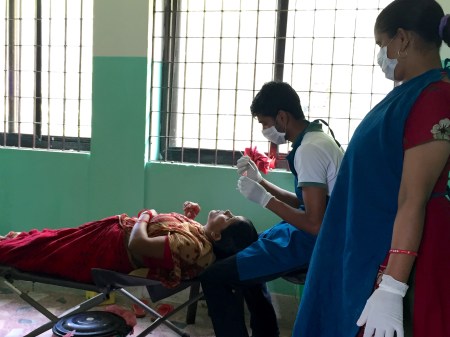
After another 20 minute walk up the road to the Health Post, and we had arrived by 10am for a 12:00 meeting.  No sweat – two walks and two vehicles later, all before breakfast.  Aamod came bouncing up the road on his motorbike and, with plenty of time to pass before the meeting, we went in to visit Bharat Pokhari’s weekly clinic.
IMG_8999

Bharat Pokhari was handed over just this past spring, which means that its protocols are up to date, subject only to how well they’re being observed.  But funding wise, things are in limbo.  The clinical team has been showing up and working without pay, trusting that between us and their local government, someone is going to come through.  In all transparency, we signed a funding agreement with Bharat Pokhari before we launched the clinic, as we do everywhere.  But seeing these through is challenging in every single place, so realistically, we’re in basically in negotiation with Bharat Pokhari’s leaders about it anyway.

We’ve already met with both the Health Post Chairman, a young and ambitious Public Health graduate, and the Village Chairman, who is older and more traditional; these two hold the main influence, technically speaking, over how funds get budgeted.  We’ve briefed both of them extensively over coffee in Pokhara.  The Health Post Chair was very much down with the idea of piloting a new health service in Nepal’s rural system, and as a public health specialist was easily oriented to the larger vision about what this would mean; but, like many Health Post leaders, he’s an appointed transplant who will be moved to a new location within the year.  By contrast, the Village Chairman is very, very local, with social clout and a more complex set of competing interests.  Any meeting is functionally meaningless without both of them present.

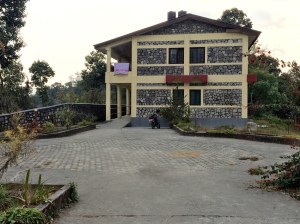
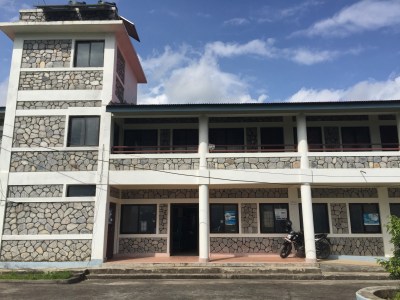
At 12, nobody had arrived yet to meet us.  We used the time to mill about Bharat Pokhari’s Health Post, an impressive, hefty hospital-like building constructed with foreign funds, in which many rooms appear to be empty or minimally used.  At 1, we were still waiting in a spacious meeting room with one very talkative local leader who discussed with us, at length, how difficult it is to get everyone together for a meeting.  We agreed.

Around 1:30, this wonderful looking man came in, and it turns out that in addition to being on the Bharat Pokhari government committee, he is our dental technician’s 86 year old grandfather – a magnificently venerable age for these parts.

IMG_9013 (1)

1:45pm, we were still waiting for the Village Chairman, who, in theory, had called the meeting.  But then he had apparently been summoned urgently to the municipality in Pokhara.

By 2pm we decided to go for tea with anyone who would come with us, and there we finally got in to a vibrant conversation with some of the health post staff, local leaders, and passers-by about the permanence of the dental clinic.  It dawned on me as we talked “informally” over tea that we weren’t even ready for a meeting of 10 or 15 social leaders in Bharat Pokhari, and that in Sarankgot we were lucky with how quickly things got organized.  Here, we’re still lobbying individual people.  It was probably advantageous that we ended up in a public space, chatting in a tea shop with locals sitting around about how the village should be using its public funds.
IMG_9017

Bharat Pokhari Health Post

We returned to the towering Health Post with our precarious baby clinic inside.  It sits across from a similarly built community center that the same international agency is building; when I asked for what, I was told, “community things.”  I sighed and, knowing it was a bit too simplistic – but nevertheless, true at this moment – said to Dilmaya, “It’s so easy to build something one time and go, isn’t it?”

By 3:15 we decided we had made the most of our day, and climbed on to bikes to head home: me with Aamod, and Dilmaya with the Health Post Chairman, because, we’re in Nepal.

At 3:30, as we were literally rolling down to the road, the Village Chairman showed up.

We got off the bikes.

All of the positive talk from our earlier coffee with the Village Chairman seemed to have dissipated. Tired, we began again at the beginning, making the same case we’d made just a week ago.  We’re realizing that’s just part of how it works.

Finally, around 4pm, Aamod and I left Bharat Pokhari on his motorbike, which is 9 years old and regularly stalls out.

“Should we take the short road?” he asked.  I know this is a trick question that translates to, “I am planning to take this steeper, bumpier short cut, and I am letting you know that we will not be going the other way, which is only for sissies.”

The bike stalls out.

“Well, why take the long road if there’s a short road?” I oblige. “I don’t really know any of these roads.”  Actually, those things are all true.

The bike starts.  We take the short road.

About ten jostling minutes down the short road, just as we are yelling loudly over the bike about how our day of meeting-hazing in Bharat Pokhari was a necessary step in which we feel we put the time to good use, a bike comes up in the other direction.

“The road is closed below!” says the Guy Going Up the Hill.

“What do you mean ‘closed?'” Aamod asks.

“No road,” the Guy Going Up the Hill explains.

I mentally sigh; now we will have to ride 10 minutes back up the bumpy short road, and then down the long road.  We still have a coffee scheduled at 5:30pm with the Village Chairman from Lwang Ghalel.

“I think we should see it,” Aamod says.  “I mean, how closed can it be? I came up this road this morning.”  I know this is a trick question that means, “I don’t want the road to be closed, so I’m going to ignore the obvious and keep going.”

“Well, if you came up the road this morning, what does ‘no road,’ really mean, anyway?” I oblige.

We pass another bike coming in the opposite direction.

“THERE’S NO ROAD BELOOOOOOOOOOOoooooooooooo…w!” he zooms by.

“Maybe there’s no road,” I suggest traitorously.

“Let’s just see,” Aamod replies.

We pull up to some construction workers – the ones turning around all the bikes.  Presumably the same people responsible for the missing road.

“No road below!” the construction workers inform us.

“None at all?” Aamod asks, because, we should be sure.  “Can a bike cross?”

“Absolutely nothing,” they confirm.  Finally.

“Let’s just have a look,” Aamod says.

“I think it’s going to be closed,” I confess.  “Maybe we should just turn around here, we’re wasting time.”

“How closed can it be?” Aamod asks.

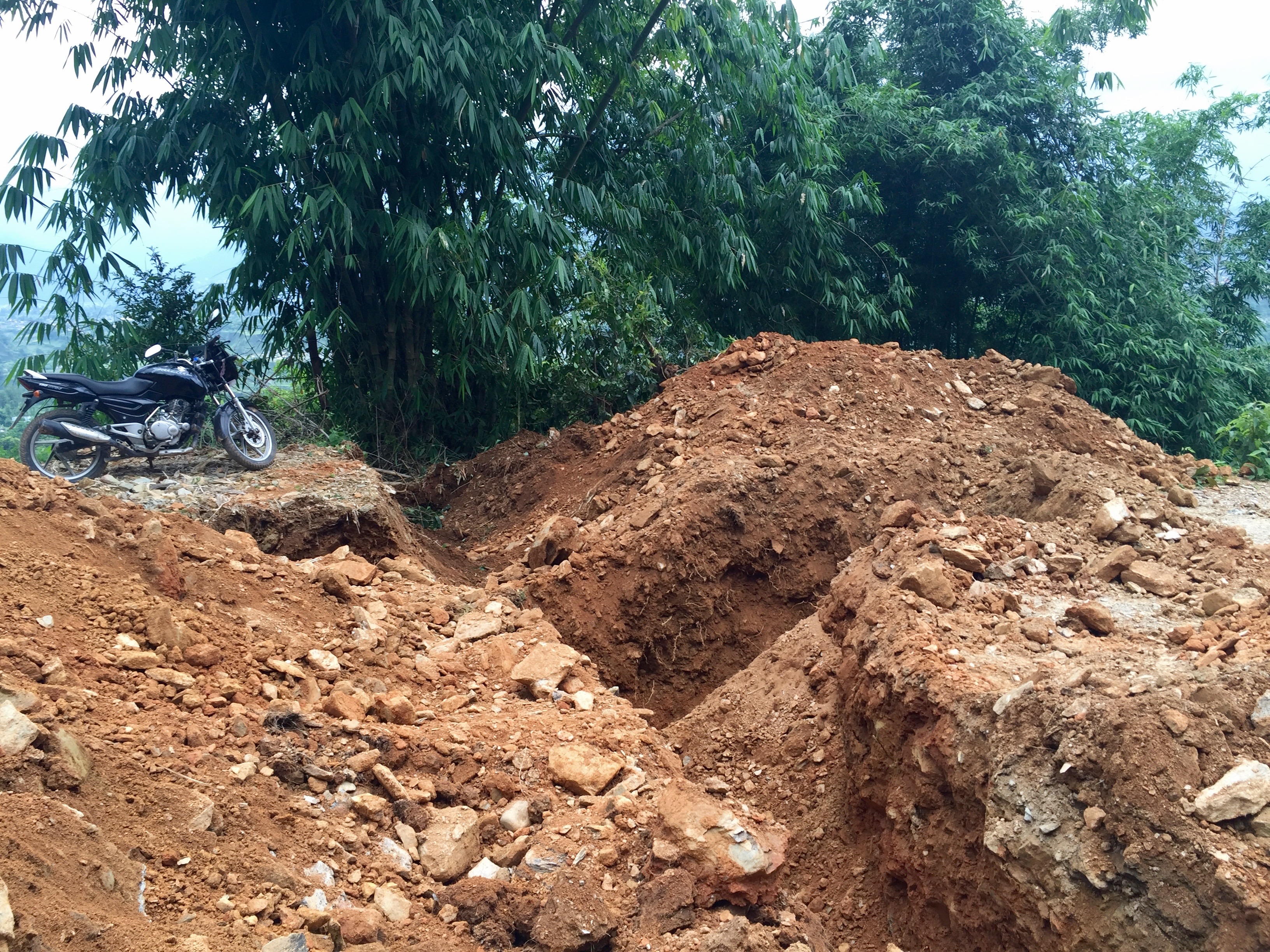
So it takes us about 30 minutes to drop Aamod’s extremely heavy bike down this seven foot trench, maybe cut for concrete piping, roll it across the uneven loose dirt and rocks at the bottom, and get it back up the other side.  I now have a lot of dirt and exhaust up my nose.  But, we have won the road.

“That was definitely faster than going back up to the long road,” Aamod points out as we set off again.  I know this is code for “I never suggested we wouldn’t get drenched in sweat and that rolling this five ton bike out of a ditch wouldn’t be part of the process, and it was still worth it because we have won the road.”  He calculates the amount of time each stage of the going up would have wasted, and, indeed the total is longer than the half hour we have spent in the trench.

“Yes, that’s true,” I agree, mildly confused about my final evaluation of having won the road.  “It would have taken way too much time to go back up.”

“You know, the thing is in Bharat Pokhari,” Aamod shouts over the wind, “is that if they just give us a fixed challenge, we can solve it.  But if the challenge keeps changing, it’s gonna be really hard.”

He’s definitely right about that, and we discuss it as we zoom down the short road.  If there’s a real and defined obstacle to overcome to sustain our clinic, we can strategize through it, but if the landscape keeps changing and people aren’t really working with us, we’re pretty much doomed.

“What’s wrong with these people?”

“Yeah,” I shout over the wind.  Politics in Nepal is a whole special level of screwed up, I think.

“They just dig a trench across the road and leave it like that.  They at least need to lay a walkway across before they go.”

“Oh that,” I call out.  “I thought you meant—”

And then my sentence trails off.  The short road presents us with:
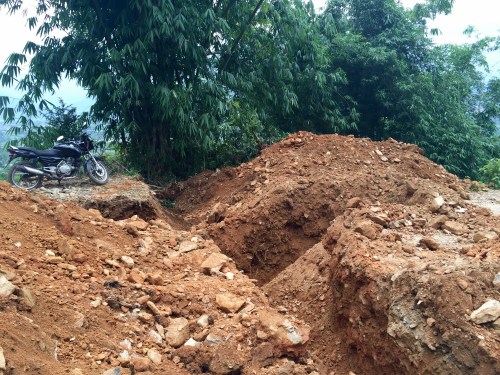
Trench Number Two

Trench Number Two

Now we’re between two trenches.

“Well, we have no choice but to cut across this one too,” Aamod states.

“That does seem to be the case,” I agree with happiness and enthusiasm.  It’s either this one, or the first one again.

A bike comes up the road on the other side of the trench and, peering over the opposite side, turns around in dismay. We, however, roll Aamod’s heavy bike in to the trench – for a second time – and lay stones, gun the motor, push the thing from behind, the hot exhaust huffing hot on to our ankles.  I eat a lot more dirt.  I am not very effective at this, so Aamod is doing most of the work, although I get exertion points for lifting a heavy bike at the wrong time and pushing it in the wrong direction, and also for laying stones behind a cloud of exhaust.  And then we are through.

We set off again.

“It’s cause you said that thing about the obstacles,” I offer.

“We should stop for a snack,” Aamod says.

As we finally get near town, we stop for pakora and knockoff Redbull.  We deserve it.  I rinse the dust out of my mouth and wash my arms and shins.  Our 5:30 meeting!  Aamod calls the Lwang Ghalel Chairman.

No answer.

It starts to rain.

We sit for forty five minutes, talking strategy, thinking about new clinic launches, considering how to adjust the initial setup and benchmarks along the way, based on what we’re rapidly learning now.  We still have three other post-handover sites and four mid-term sites to manage.

Aamod calls the Lwang Ghalel Chairman again.  No answer.

More rain.

“Can we call it a day?”

“He’s not coming.”  That was a day all right.

We get back on the bike.  It stalls out.  We restart it.  Aamod drops me off in Pokhara.

Good night.

*


Getting Schooled in Vendor Outreach


The only question I get asked more often than if we need dentists (answer: YES! as mentors and teachers for Nepali technicians) is if we need donations of toothbrushes or paste. While that’s a conservative yes, because we provide a limited number of those supplies to schools, most of the time, the answer is, not really, unless they are donations of something purchasable in Nepal. Because, if you think about it for a second, it’s pretty obvious that going to some village and handing out a bunch of disposable hygiene products once might make for good photos, but it doesn’t do much for anyone who needs to use these items every day forever.

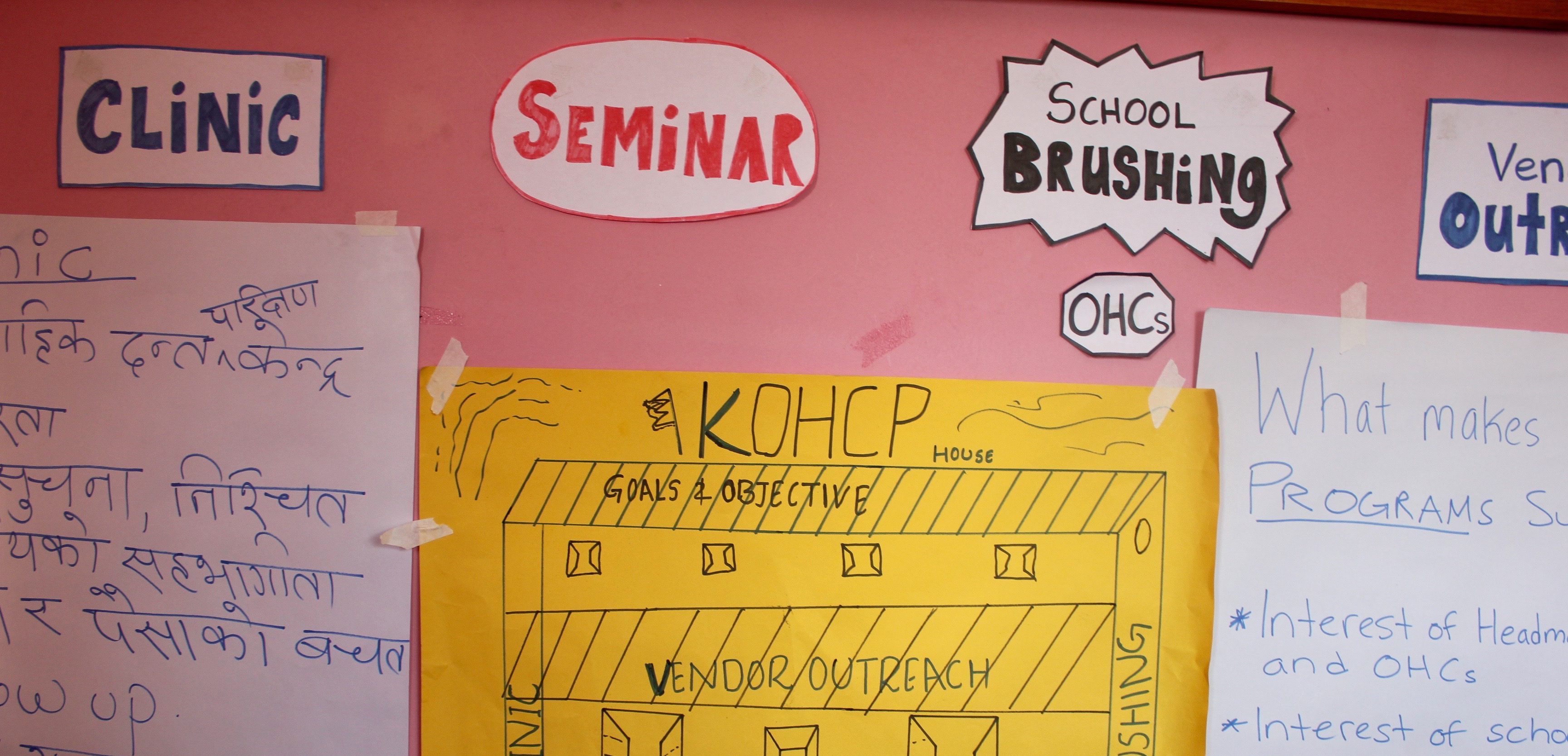
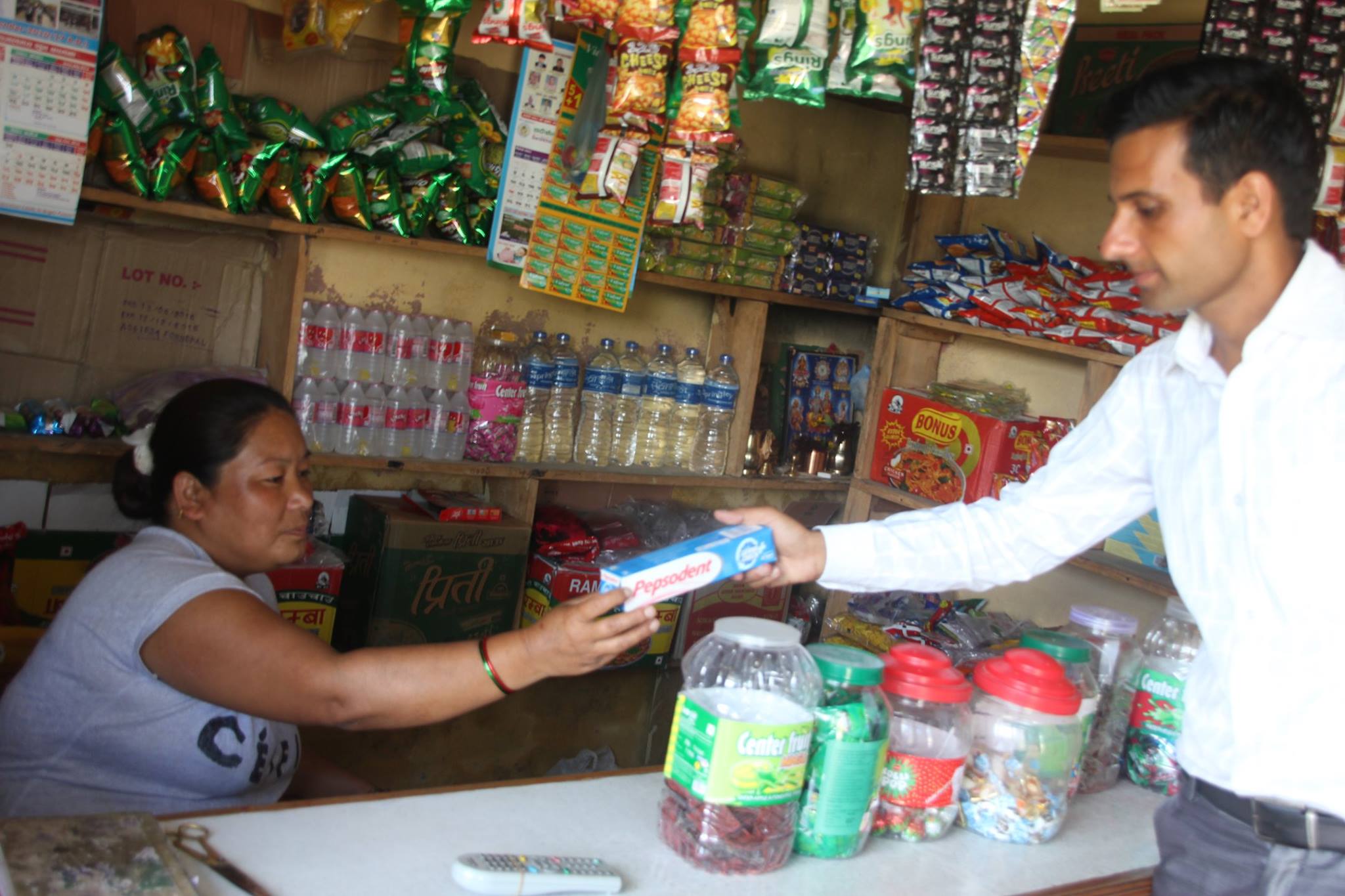
Instead, one of the four core activities in JOHC is called Vendor Outreach, where we work with village shopkeepers to make sure that dental hygiene products are locally available and affordable, the same way sugar, salt, incense, and laundry soap are.

In the past, vendor outreach has mainly consisted of having local JOHC teams – i.e. residents – visit the shops in their villages, look at products, talk to vendors about fluoridated toothpaste, and sometimes put up posters or stickers that help people identify toothpaste with fluoride. But this summer we’re working on stepping it up. The main reason is that schools need supplies to run their school brushing programs. For that, we provide brushes and paste on a declining schedule, but by the end of two years, either students or the schools have to finance $1 per student per year to run their brushing programs permanently. Even though this is extremely inexpensive, our experience has been that when supplies run out, often schools just don’t replace them. If we want schools to buy brushes and paste, they need to be extremely easy to get.

Therefore, in June, we started Vendor Outreach 2.0 by looking for the best-priced wholesale distributors in Pokhara, with the idea of setting up a direct link between village shopkeepers and the best possible deal on dental care products. But when we approached our first shopkeeper with this idea he told us he already buys his supplies from a wholesale truck that comes through his village on a regular schedule.

P1000170 copyOk, we said, could we get the truck to go to the best-priced wholesale places? We showed the vendor the prices. The vendor showed them to his truck guy. The truck guy offered a better rate.

So that was over.

Onward, then, to Salyan, one of our harder-to-access regions, where Gaurab was organizing a vendor outreach program for the following week. He had a list of about 25 shopkeepers and their phone numbers. It occurred to us that we should invite school teachers also, since the point was for the teachers who run the brushing programs to connect with the vendors who supply the products they need. This stroke of insight made us feel brilliant. Actually, that was a really good idea.

Before the Gaurab’s trip out to Salyan for Vendor Outreach 2.0, I suggested that he print out little slips of paper with the location and contact info of the best wholesalers we’d found in Pokhara. That way we’d make sure all Salyan’s shopkeepers had this info in a nice tidy fashion. For the best deal.

“So how’d it go?” I asked Gaurab back in the office on Tuesday.

“Great,” he says. “We had over 20 vendors and a lot of the teachers running their school brushing programs came too. We made visits to a number of shops, and I brought the poster with the fluoridated toothpaste packages.”

Vendor Outreach in Salyan

“Awesome, did you give out the contact info for the wholesalers?”

“Yes but…”

“What?”

“I mean, they said they already get brushes and paste at that rate from their wholesale trucks.”

“Are you serious?”

“They said they can totally visit the wholesalers we found if they happen to come to Pokhara,” he consoled me.

“So basically, we’ve spent the whole summer on this, and what you’re saying is…village shopkeepers already get brushes and paste at wholesale prices from trucks that deliver right to them.”

“Yes.”

“All these schools already have vendors down the street with access to these products at the cheapest prices we can find.”

“Yes.”

“…So Vendor Outreach is basically just…getting the teachers up the street together with vendors, and convincing them to purchase supplies down the street.”

“Yes.”

“Like all we have to do is get everyone together and talk about it.  Maybe assign a specific shop to each school.”

“Pretty much,” Dilmaya chimes in.

“Guys,” I said.

“I mean, they can use the wholesalers we found if they come to Pokhara,” Gaurab reminded me comfortingly.

“Why is everyone going around handing out free dental supplies?” I demanded to nobody.

Back to the drawing board.

We find this over and over. Our complicated ideas for fixing things are 99% irrelevant, with a critical 1% of something that is missing: information, a tool, a little encouragement, some social integration, a familiarizing element or formality. Vendor outreach will continue to involve oral health education for shopkeepers, because most people are not aware of the importance of fluoridated toothpaste in preventative care. But then it’s mostly a matter of building relationships between vendors and purchasers–especially between schools and specific local shops to source the supplies for their very affordable brushing programs.

In other words, we need tea parties more than we need supply chains, more than we need products, more than we need anything that’s not already there.

In conclusion, we’ll enthusiastically be taking donations of items such as art supplies for oral health games in schools, certificates of achievement for Oral Health Coordinators, funds we can spend on having local tailors sew brush holders, holding workshops, lobbying local leaders, creating teaching materials; and actually, if anyone wants to offer rides to our field officers out to Sindure and Rupakot and Salyan so they don’t have to spend so many hours walking or stuck on buses, that’d be great.  Also, snacks.  Help us out – there are many things we need to do our part well, and lots of opportunities to support communities in Nepal.

As far as brushes and paste though, I think local shopkeepers figured this out quite some time ago.  Duh.

*

Vendor Outreach in Sardikhola with technician Megnath Adhikari

Vendor Outreach in Sardikhola with technician Megnath Adhikari

Hopeful in Sarangkot


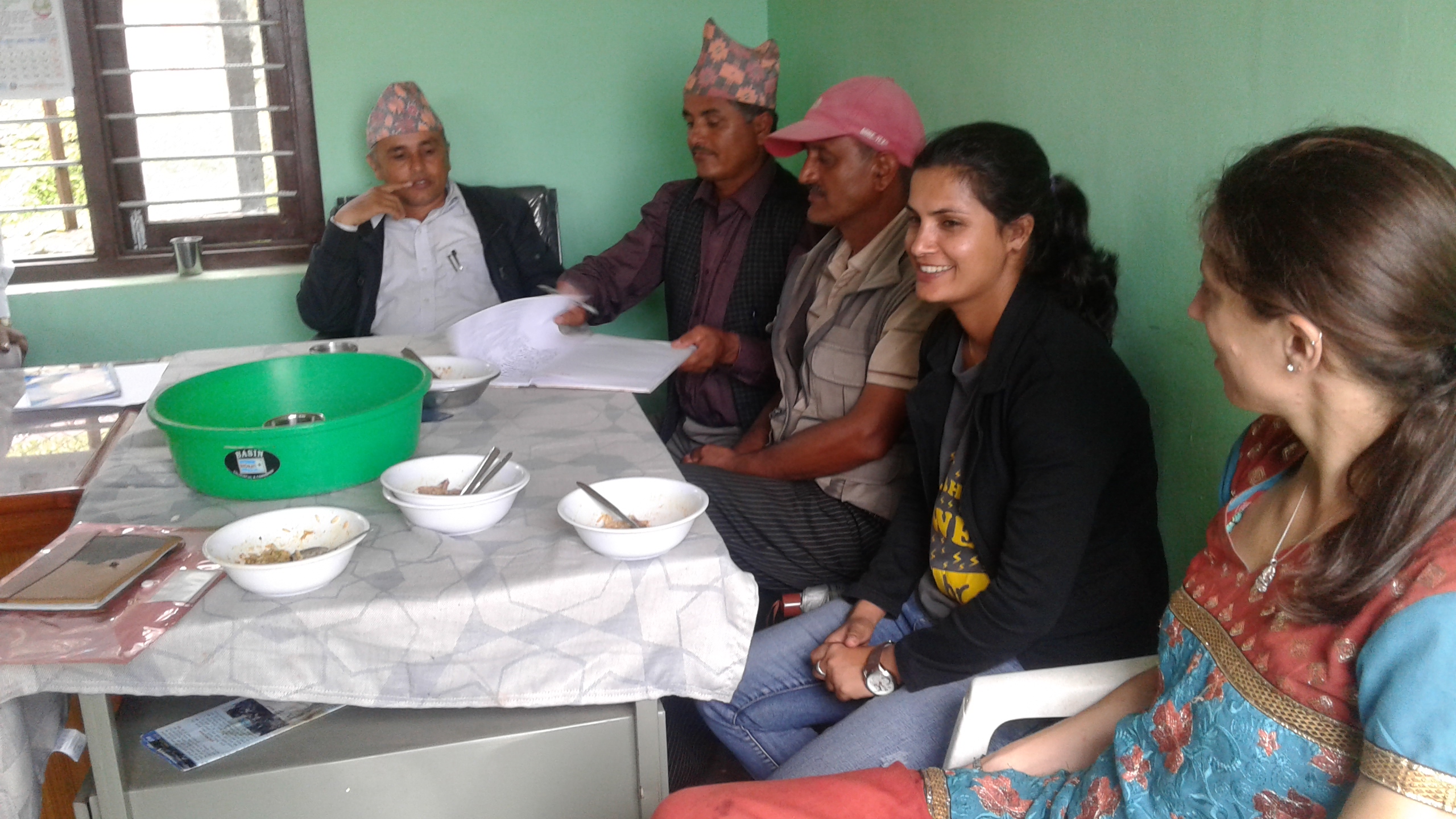
Yesterday we met with the Sarangkot Health Post Chairman and a committee of local leaders.  Our goal is to advocate for Sarangkot to invest government funding in their dental clinic, our longest-running one.  This is part of a larger strategy of bringing rural dentistry into Nepal’s nation-wide Health Post network, which we’re only really beginning to dive in to deeply now that we’ve sorted out the clinic model itself.

A normal meeting in Nepal will begin, at best, 30 to 60 minutes after the stated starting time.  In villages, it is not unusual for this to be doubled: our Oral Health Coordinator trainings, which involve teachers from all over the village, frequently start at least two hours late.  It’s just a given, and if you’re Nepali you are pretty down with the long waiting period prior to your carefully planned program.  If you’re me, you basically never get used to the feeling of dread that nobody has shown up, all is lost, nobody cares about anything, and you were way overly optimistic to be in this line of work anyway.  Inevitably, just when you’ve chewed your nails down as far as they will go, people show up and casually take their seats.

Amazingly, however, when the four of us arrived at the Sarangkot Health Post on two motorbikes at 1:25pm for a 1:30pm meeting, about 10 local leaders were seated and waiting patiently for us in the chairman’s office.  I think I’ve seen that happen…maybe never.

It’s important to know that Nepal has not held elections at the local level since the early 2000’s. Instead of an elected local government, most villages have a handful of people – probably 95% men – who are socially (or self) appointed to make decisions, plus a village chairman and a Health Post chairman, who are both appointed by the district government.  These village Committees have power over spending but have no direct obligation to represent the needs or desires of local residents.  For us, that means convincing a committee of influential people and two all-powerful officials that the dental clinic is not only worthwhile, but should be a spending priority. If there’s a code to crack on getting village residents to apply pressure, we haven’t found it yet.

20160714_152552

Our meeting with Sarangkot went amazingly.  Aamod and I had invited the Health Post chairman for coffee a few days earlier and he received us with some expected concerns and doubts, but with an open mind.  A few days later, we found the committee gathered in his office to be genuinely interested in talking with us and quick to acknowledge that, notwithstanding the flush torrent of external funds in to Nepal, any new health service for rural people is not truly stable unless it can be incorporated in to the government health care system.  Our proposal was that we would invest $1000 in new supplies and training for the Sarangkot clinic, upgrading it to our current infection control standards, if the government agreed to pay the salaries of the technician and assistant.

They said yes.

Not to the amount we’d hoped for – $1000 per year – but to a lesser amount that is reasonable (our original hope was a serious long shot, given that the district and central levels do not recognize oral health as a funding priority, and they finance village budgets).  After a lot of discussion, we came to a decision that was duly recorded in the meeting minute book and signed by everyone present.  This involves a commitment for the local Committee to include oral health in their requested budget for the next fiscal year starting in July 2017 (which gets submitted in November), and for the intervening year between this July and next, to submit a proposal to the municipality for an emergency amount that will help bridge the gap.  They are also preparing to move the dental clinic in to another room that is bigger, cleaner and more secure.

There are still many unknowns – meeting minutes definitely aren’t action, and they definitely aren’t funding.  Some critical steps are up to people higher up, where we are also moving in to advocacy.  It will be important for us to monitor and collaborate in this process, following up on the agreed timeline, offering support to Sarangkot’s funding proposals.  There are lots of places where things could fall through.  BUT, we got through an important step one more successfully than any of us expected, which is that everyone appears to have agreed it’s worth trying.

In the short term, the new room is to be ready in two weeks.  We supplied paint and set some other requirements: secure doors and windows, removal of storage that is not related to the dental clinic.  After that, we will provide various supplies and training in stages, at pace with the progress of Sarangkot’s investment in the people.

Good start.  Now, on to Bharat Pokhari!

*

IMG_7579

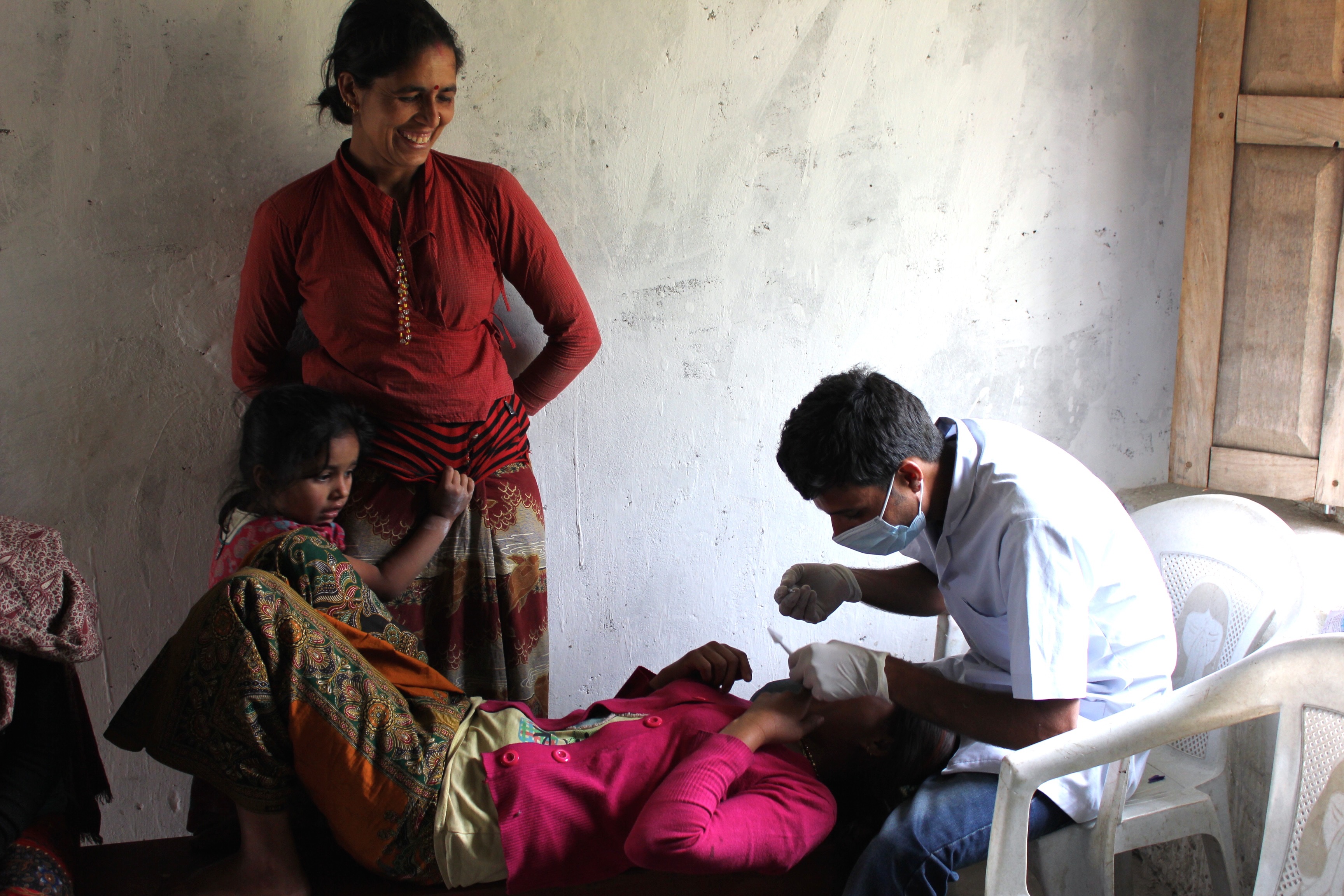
Dipendra and a vigilant mom at the Sarangkot Clinic in 2016.

The Contract of Attaining

I have been working on rural dental care in Nepal since 2003.  That’s thirteen years.

When I began, the iPhone had not yet been invented.  To call home from Kaskikot, my choices were to wait while Shiva’s dai’s mother rigged up the satellite phone in Deurali, or take what was then a 2.5 hour bus ride to Pokhara and call from an internet cafe.  Now I can Facebook chat while taking breaks during firewood chopping outings.

Our first dental program at the Kaskikot Sub-Health Post, for Sada Shiva Primary School, on May 9, 2004

Our first dental program at the Kaskikot Sub-Health Post, for Sada Shiva School, May 9, 2004

Now in July 2016, Kaskikot’s dingy sub-health post has been upgraded a few times and is a full-scale Health Post.  Someone from almost every house has  left for migrant labor in Malaysia, Dubai, Qatar, or another gulf country, leaving swaths of flush green rice paddies overgrown with grass.  An insurgency overthrew Nepal’s monarchy back in 2006, and the country is still figuring out how to operate a democracy in a place where the young are mostly literate and the middle-aged mostly are not, where rains cut off whole villages from road access during the summer and snow isolates other regions in the winter.  Wireless has long since outpaced plumbing.

Nepal still does not have McDonalds.  Or a majority of schoolbags with zippers that last longer than a year.  Or regularly scheduled elections.  Or, even though it’s the most prevalent disease in the world and influences many of Nepal’s core public health problems, any medicine for dental decay at all in rural places.  Which is still most of the country – and will be for a long time yet.  (See, Wireless vs. Plumbing.)

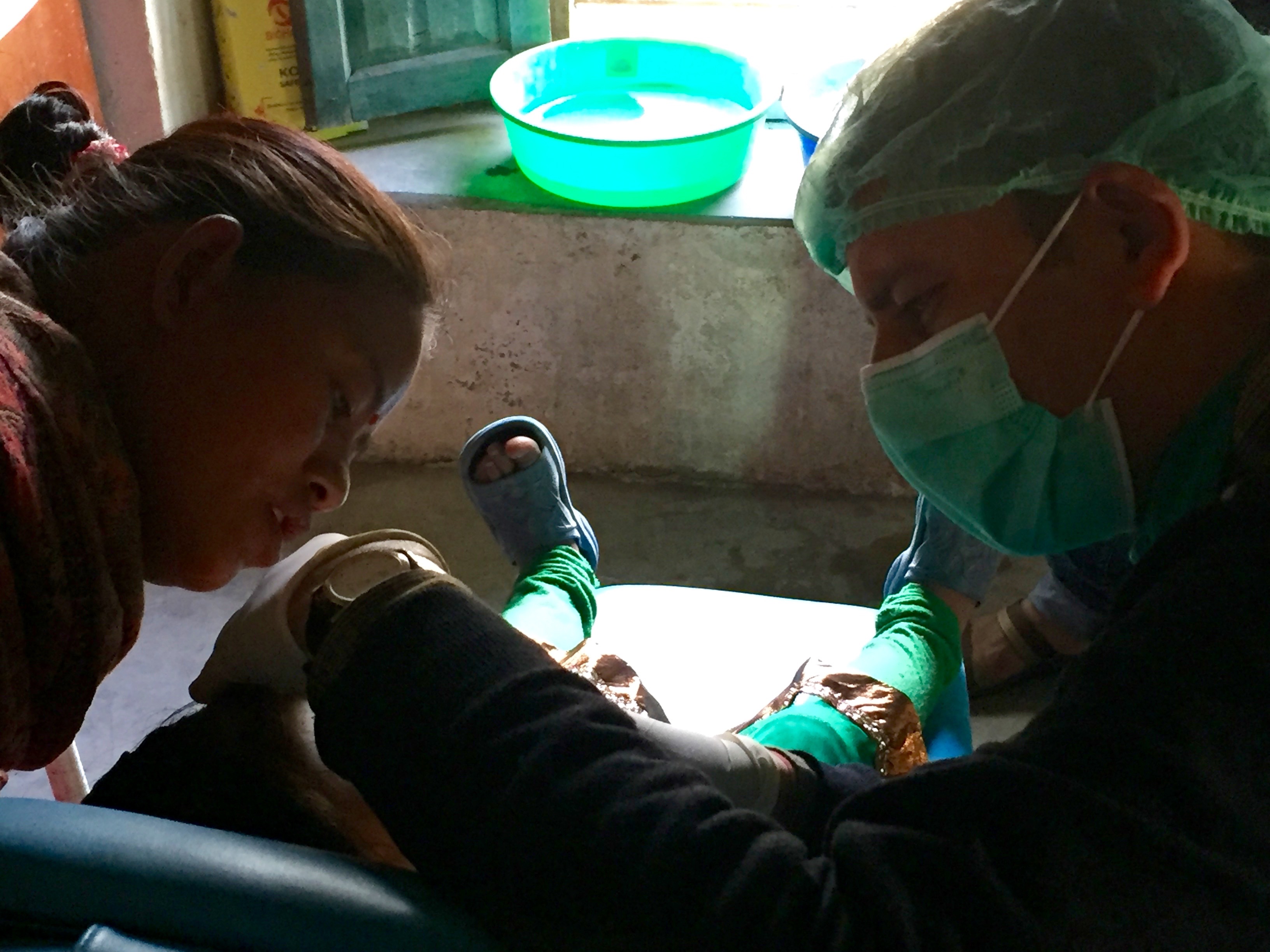
To the best of my knowledge, our nine rural dental clinics are the only ones of their kind.  There are many aid-funded health care facilities in Nepal, but our clinics are operated by Nepali providers, local to their villages, who practice specialized rural dentistry techniques that are sustainable in limited-resource settings.  We didn’t invent these techniques, but we contextualized them by adding in other pieces like school-based prevention and technician mentoring.  More recently we’ve focused on asking what standard of care these dental technicians can and should be held to within the limitations of environment and training. As a result, we’ve developed considerably more rigorous protocols than are typically applied to permanent rural health services.

Lwang Ghalel Clinic, 2012

Lwang Ghalel Clinic, 2012

This concept is known in international lingo as “rights-based health care.” It’s just the argument that people are entitled to the highest attainable standard of health care within the limitations of context.  This isn’t a new idea, but actually manifesting it through innovation requires a level of patience and detail that could really make you wish you’d gone into a career of monastic asceticism instead.

Fortunately when Roti’s mother came over writhing with a toothache in 2002, I didn’t know I was getting in to a career at all.  At that time I was looking for something I could tell my neighbors in Kaskikot to do when they showed up moaning in pain, which was whenever, not when somebody happened to be rolling by in a mobile clinic.  The answer had to be viable, respectable and available on any random day.  As it turns out, this way of thinking is, by definition, the pursuit of human rights: it seeks a permanent and dignified answer for people, not the implementation of a prefabricated idea.

P1030500That’s how we started combining localized clinics with community awareness programs.  But it took years to realize that wasn’t enough…we had to bring these clinics into the existing health care system of Nepal, a centralized government system that provides a rural Health Post in each village. Basically, our clinics needed to become part of these Health Posts, without losing the benefits of specialization we’d developed.

Nice puzzle.

Since 2012, the biggest challenge we’ve faced in this project is handing over our clinics to local ownership after a two-year set-up and supervision period.  Our first clinic in my own adopted home of Kaskikot, the very place I was motivated to have answers for people, ultimately folded after we ran it for SIX YEARS, treating hundreds of people.  The local government wouldn’t run it.  

Honestly, our advocacy strategy was nonexistent in Kaskikot.  Worse yet, I was the American neighbor-kid, and my efforts were seen as personal.  In Kaskikot, I learned the taste of letting go and swallowed a bitter but essential lesson.

IMG_3132

Our second clinic, in the neighboring village of Sarangkot, inched forward.  It’s been operating on its own since 2012, mostly due the persistence of the dental technician, Dipendra, and clinic assistant, Renuka.  They continue to go to the Sarangkot Health Post every single week, and whenever I’ve visited, they have at least 5-10 patients in a day.  But Sarangkot’s local government only “kind of” funded their clinic.  When I sat in a room full of Sarangkot politicians back in 2012, conducting a (kind-of) “handover” ceremony, there was a Washington Post reporter and photographer present while officials explained that the government just didn’t have any money for this clinic.  I had to say bye and hope for the best…and against the odds, another NGO stepped in and donated a moderate dental budget to the Health Post.  Which allowed the Sarangkot clinic to survive, but saved the health care system of the burden of evolving its priorities on a deeper level.

It’s a quandary, so let’s call the problem like it is.  It feels good to do something and see a result.  But when you have an aid state like Nepal, the do-ers are part of an entrenched structure of dependency that absolves Nepal’s public systems of responsibility. This has been extensively documented, and everyone always seems very dismayed when they’re documenting it.

Okay, but, everyone knows this is the explicit Contract of Producing.  Things mostly run better when the people who decided to start the things are the ones who keep doing them, which mostly is what those people want to do anyway (so that it’s done “right”), and of course the people who didn’t start these things, and probably don’t want to run them, prefer the very same.  Once that’s the way it works, that’s basically what everyone expects and signs up for.  As far as exposés go, it’s not super material.

I am acutely aware of my reluctant participation in this arrangement.  And I too could raise money forever, operate dental clinics one by one in Nepal, and help us all feel like heroes.

But what about the right to the highest attainable care everywhere else?  And besides, what’s “attainable?”  Nepal has a national public health care system that has two key qualities: stability and scale. It’s not famous for quality or agility, but is it capable of incorporating the creations of social innovators and risk-takers to improve its performance one round at a time?

Yes, it has to be.  But only once you break the explicit Contract of Producing.  Instead, there has a be a Contract of Attaining, and then making better things more attainable, and then attaining those.

I think.  I’m still working on this theory before I publish.  But actually, I’m pretty sure about it.

IMG_3269 (1)

Salyan Dental Clinic, July 2016

In any case, here we are in 2016, billions of dollars of foreign investment later.  In our corner, we’ve decided to revisit all nine of our dental clinics and focus on their permanent integration in to the government health system.  They’re are all at different stages, from nebulous commitments of local funding to full halts to pre-handover.  We’ve begun by brainstorming with the technicians, and then meeting for coffee with individual village leaders.

Our first stop: Sarangkot…scene of the 2012 Kind-of-Handover.

IMG_7586

Sarangkot Clinic, Post Earthquake

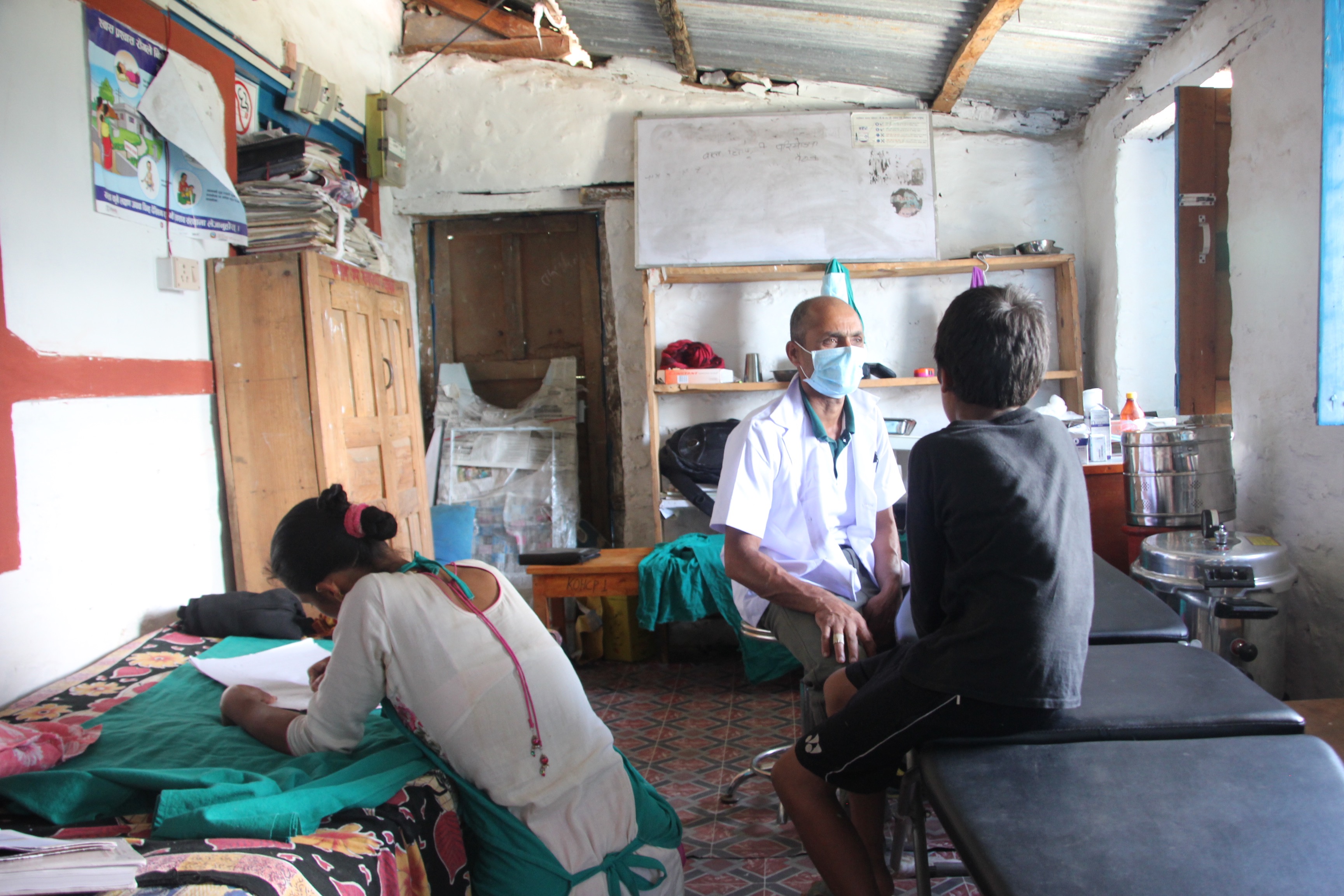
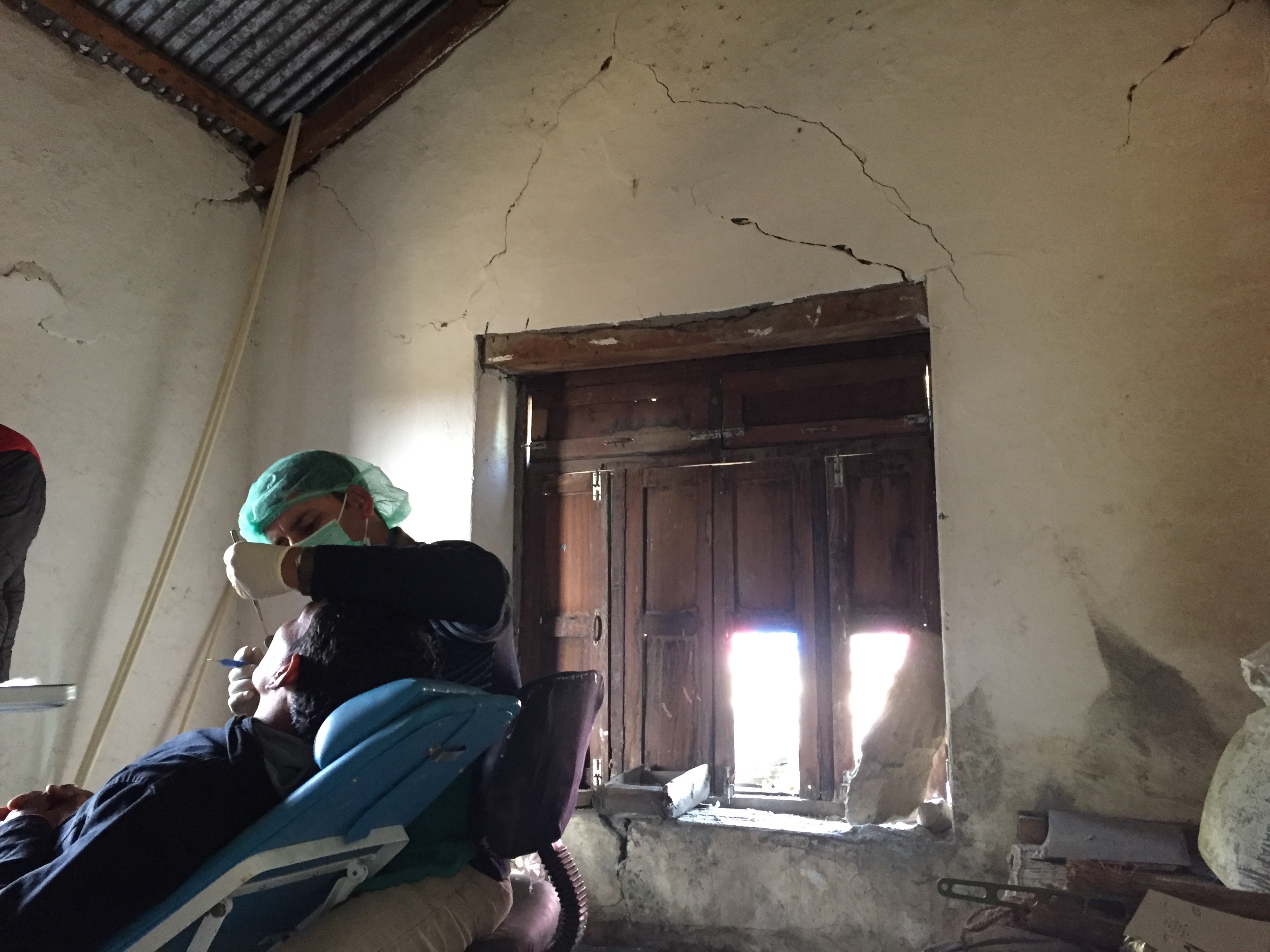
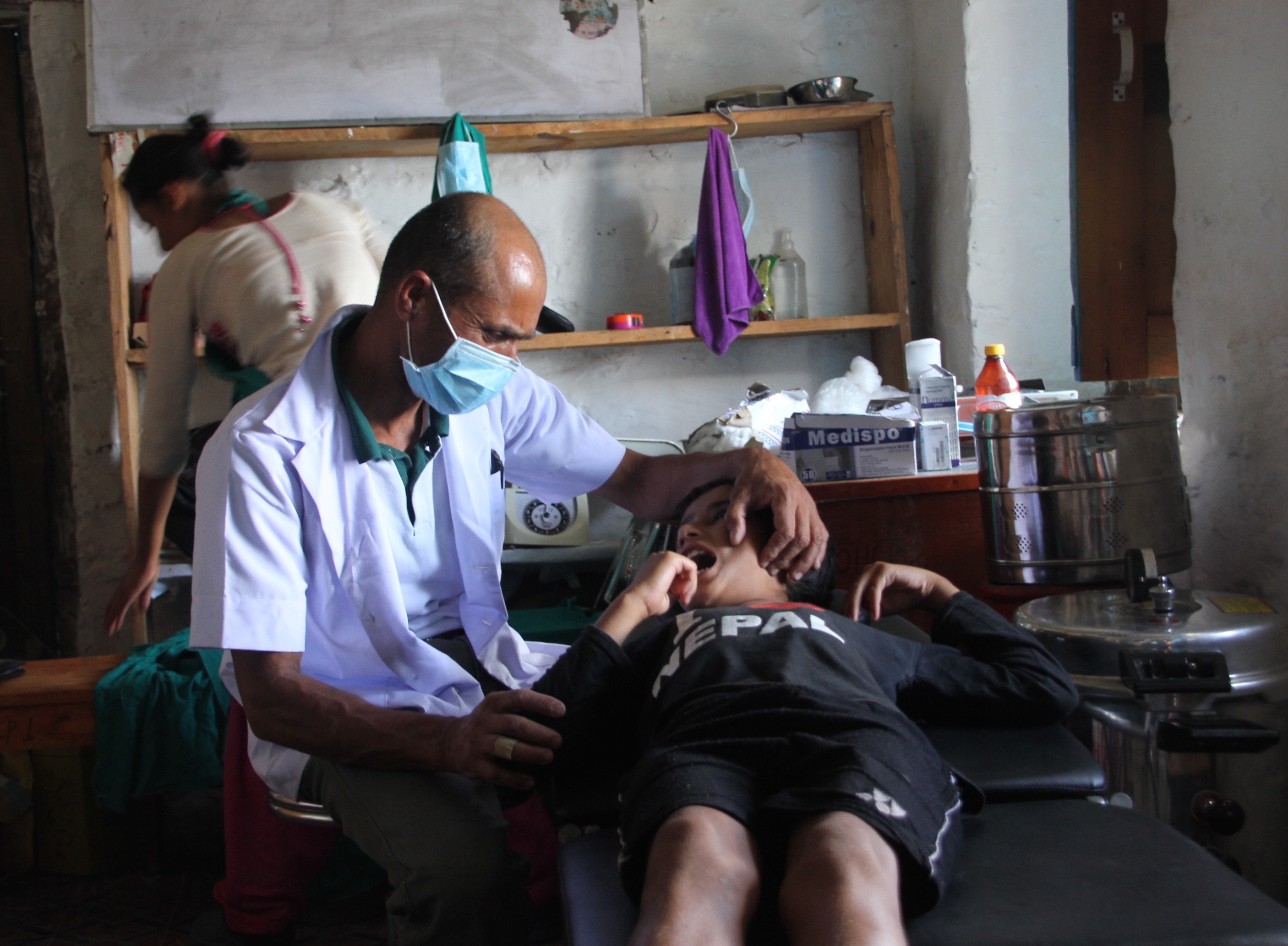
I’ve never visited Sarangkot’s weekly clinic and seen it without patients.  At this point, Dipendra has more specialized experience in rural dentistry in Nepal than pretty much anyone other than the trainers.  He’s treated thousands of children and adults in rural settings, taken refresher trainings, and had at least two clinic audits by a dental surgeon.  But since the kind-of-handover in 2012, we’ve significantly upgraded clinic standards, and the Sarangkot clinic is isn’t supplied for our present quality protocols.  In fact, it’s also being used as a storage room, and the earthquake last year did some interior decorating…and, dusty books. The decor doesn’t really convey, “awesome and critical.”

But here’s our idea. Let’s imagine Sarankgot’s local government was to allocate funding for Dipendra and Renuka, and in exchange, we put about $1000 in to refurbishing the clinic and providing further mentoring.  Sarangkot becomes one of nine places we can invite policy makers in and say: look, this works.  This is awesome and critical.  Here’s another one in Bharat Pokhari, and one in Lwang Ghalel, and…see?  The central health ministry should allocate funding for a rural dentistry specialist in all of its Health Posts.  These progressive village governments are doing it already on their own.

No sweat.  Chop chop.

But it’s important, not just for our issue, primary oral health care, but in principle.  The Contract of Attainment is fairly unpopular, because it’s unmarketable, and we’d all rather feel like heroes.  Somebody has to champion it for its own sake.

IMG_8867Therefore, we’ve spent two long afternoons in the office strategizing, and tomorrow, we’re off to a meeting with local politicians in Sarangkot.  All four of us – me, our Program Director Aamod, and our field officers Dilmaya and Gaurab – are going.  None of us are particularly schooled in political lobbying, but hey, as far as advocating for dental clinic funding in villages in Nepal, I think we’re as good as it gets.  When we met with the Health Post chairman yesterday, he was much more positive than I expected. But things can sound different in a room of people with competing agendas.

So this is where we are in 2016.  We’ve all been thoroughly self-schooled in Virex disinfecting procedures and gloving-regloving infection control, as well as of course the difference between upper molar forceps and an enamel spoon, and we are now embarking on an in-depth immersion experience in citizen advocacy in emerging democracies.

It’s like a career in…in…

…a career in attaining?

Wish us luck!  Time to jump in.

*

Salyan Dental Clinic, 2016

Salyan Dental Clinic, 2016


Sindure Signs


Sindure village is one of the old feudal capitals of Nepal, where a king once ruled over Lamjung district before unification in the mid 1700s. The drive from Pokhara takes about 6-7 hours…the last three are very bouncy.

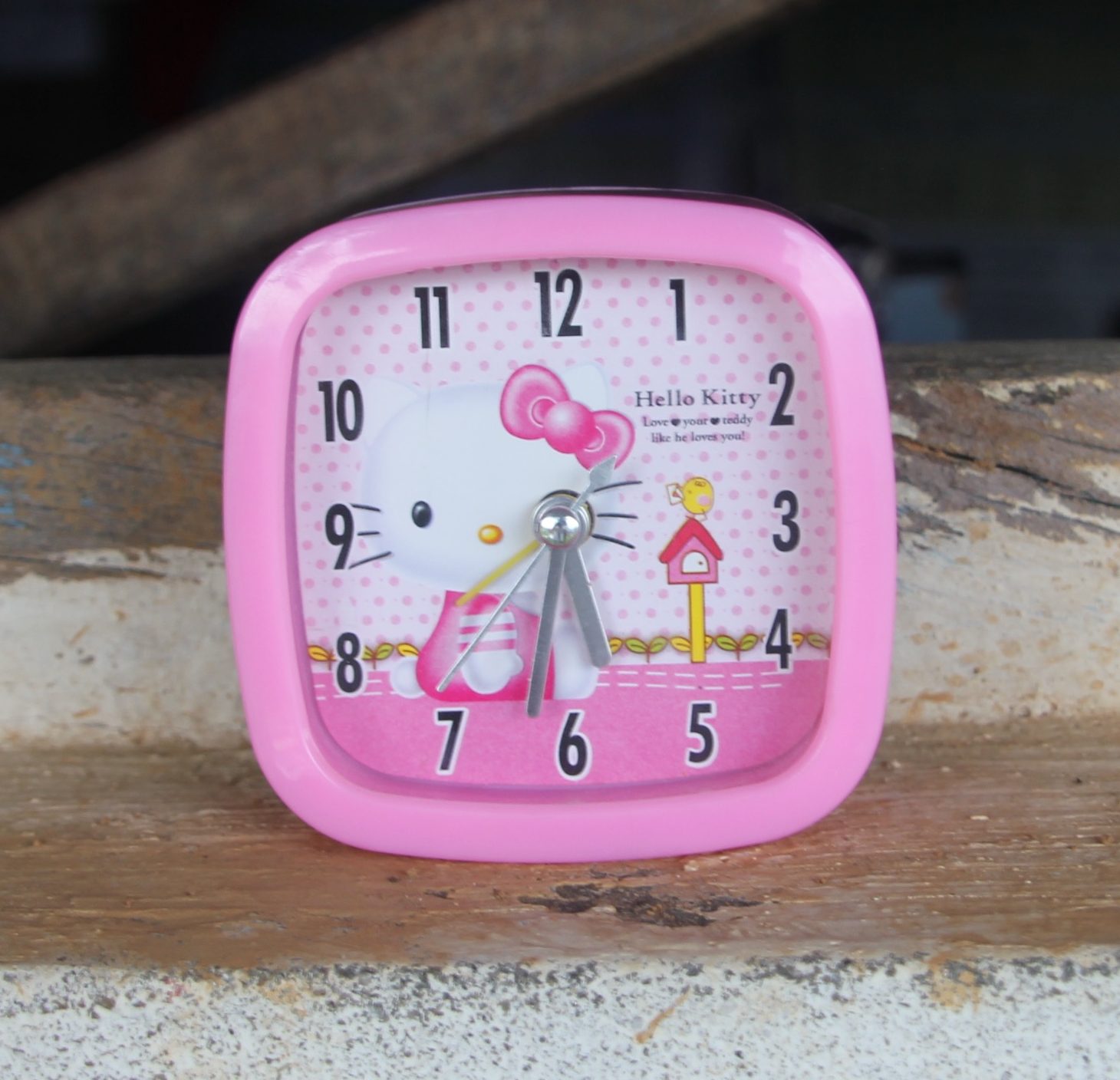
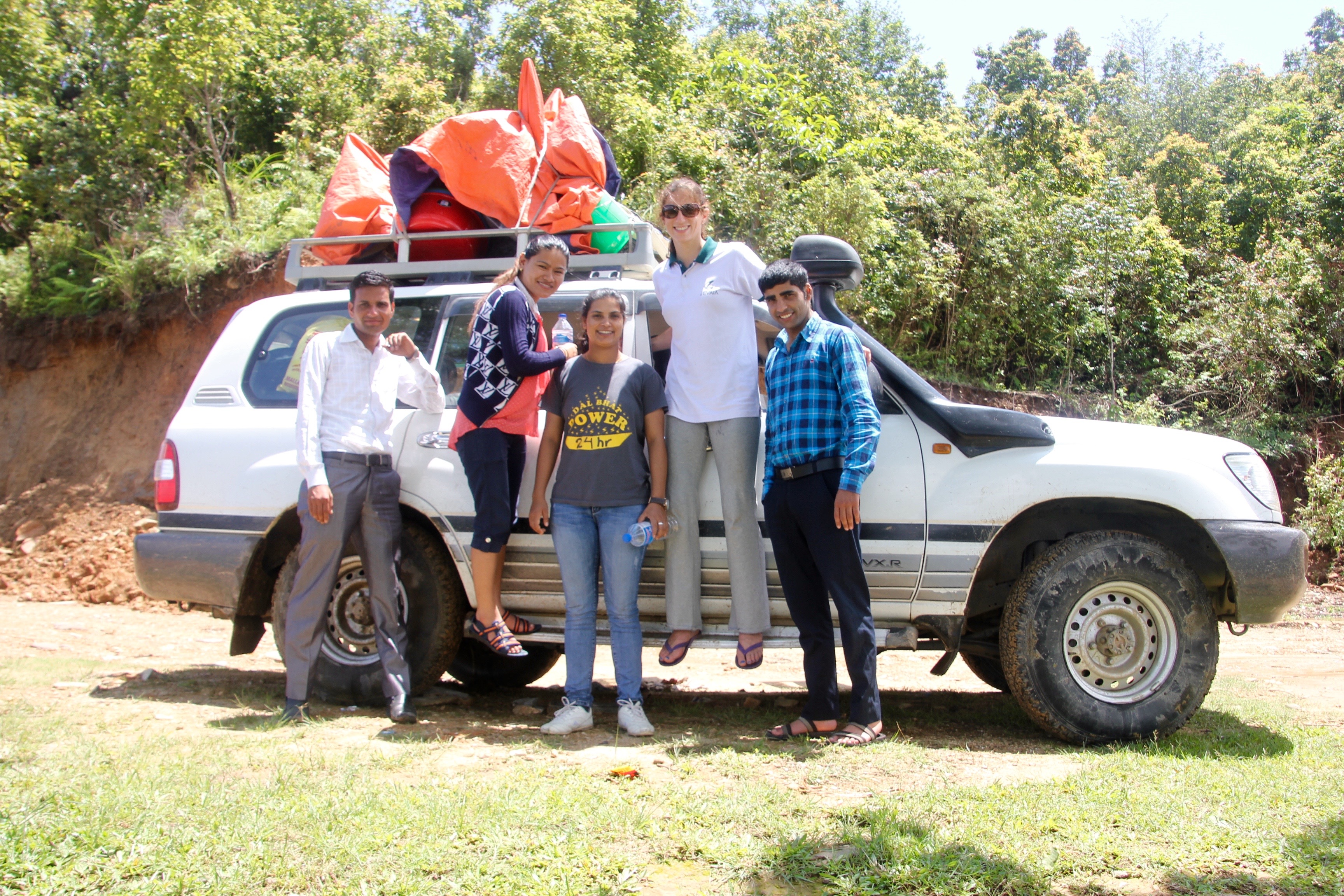
IMG_3007Our day began in a downpour at 6:30am, with the usual wakeup activity: loading a dental chair on to the top of a Landcruiser. We packed in various boxes of medicines, adjustable stools, plastic goggles, and this fancy Hello Kitty timer. Because Virex disinfecting soak is 20 minutes, exactly, and one must have a proper timer.

Also, we had an extra passenger and her little boy who were headed home to their village. They set up in the front seat, and the little boy kept arranging himself with his knees splayed out and the bottoms of his feet together, so Neha quickly named him Laughing Buddha. Mean time, we squashed ourselves in the back of the cruiser and set off in the rain, picking up our senior technician Megnath on the way. And then we were off to our first ever clinic opening in the district of Lamjung.

IMG_2923

We settled in and the cruiser bounced joyously along. It was strange to be headed off to Lamjung again, where we spent many long hot days after the earthquake at this time last year. I was apprehensive about how our clinic setup would go, if the whether would clear, if the road would be passable, if a lot of things. And it was Sunday the 26th, exactly one year after my beloved friend Mary passed away on another rainy and pregnant day last summer. I stared out at the passing rain and fog, thinking about each moment I’d spent on this morning last June, checking my phone for updates from the other side of the world, stunned and devastated by a sudden change of events.

Then again, the bracing car ride left minimal opportunity for rumination. A few hours in, we stopped for tea, and shortly afterwards, Laughing Buddha barfed all over Gaurab in the front seat.

Well, the best part is yet to come.

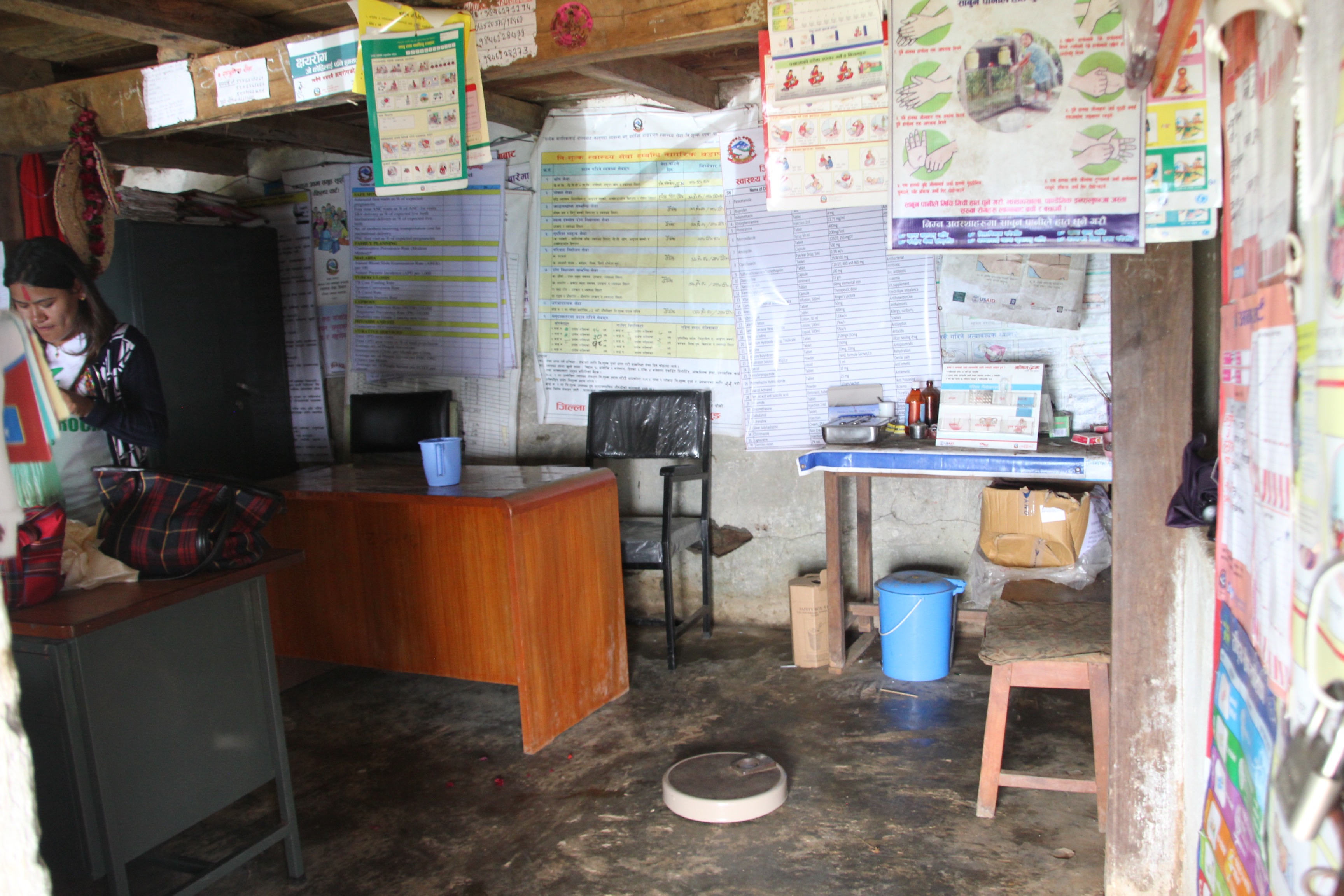
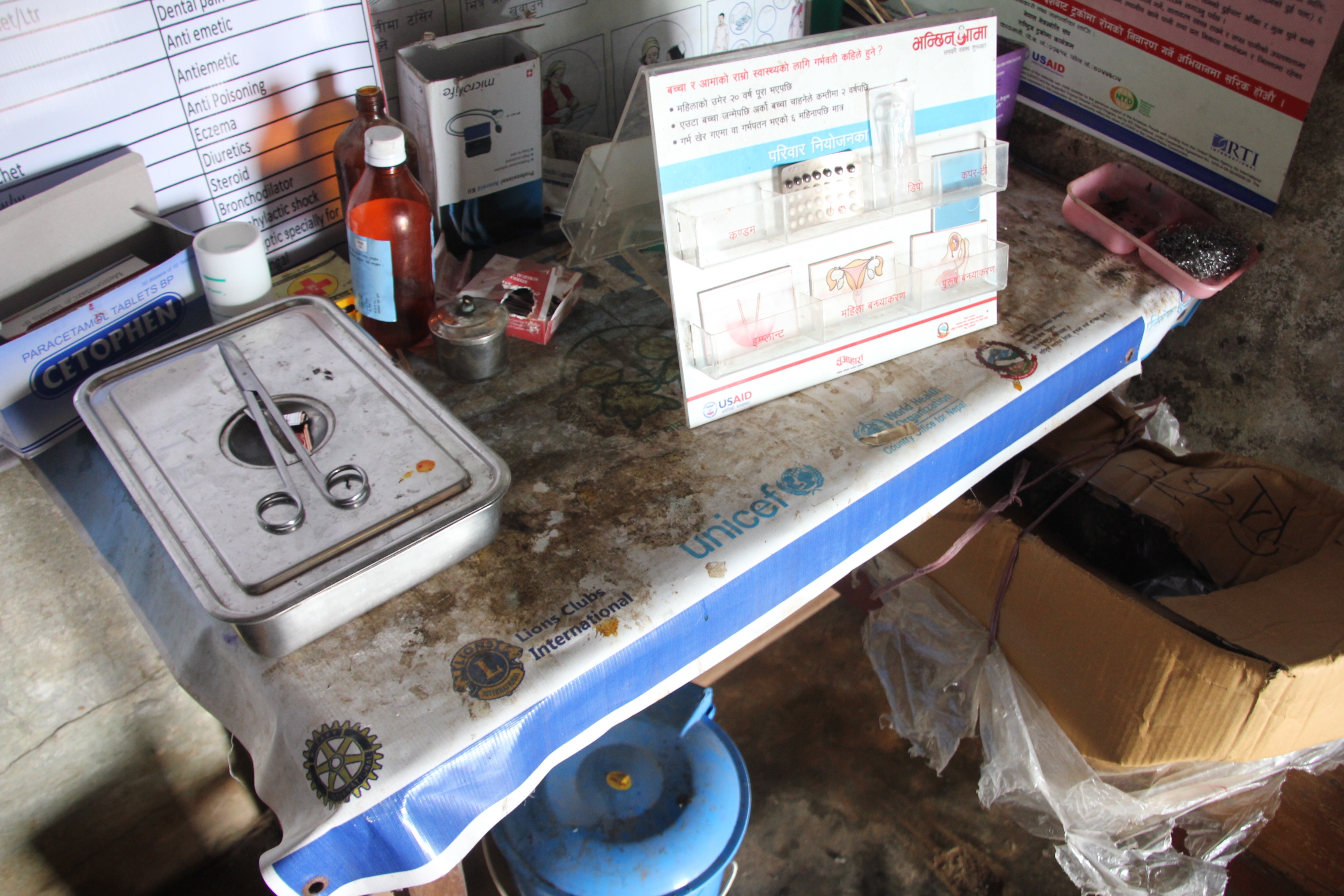
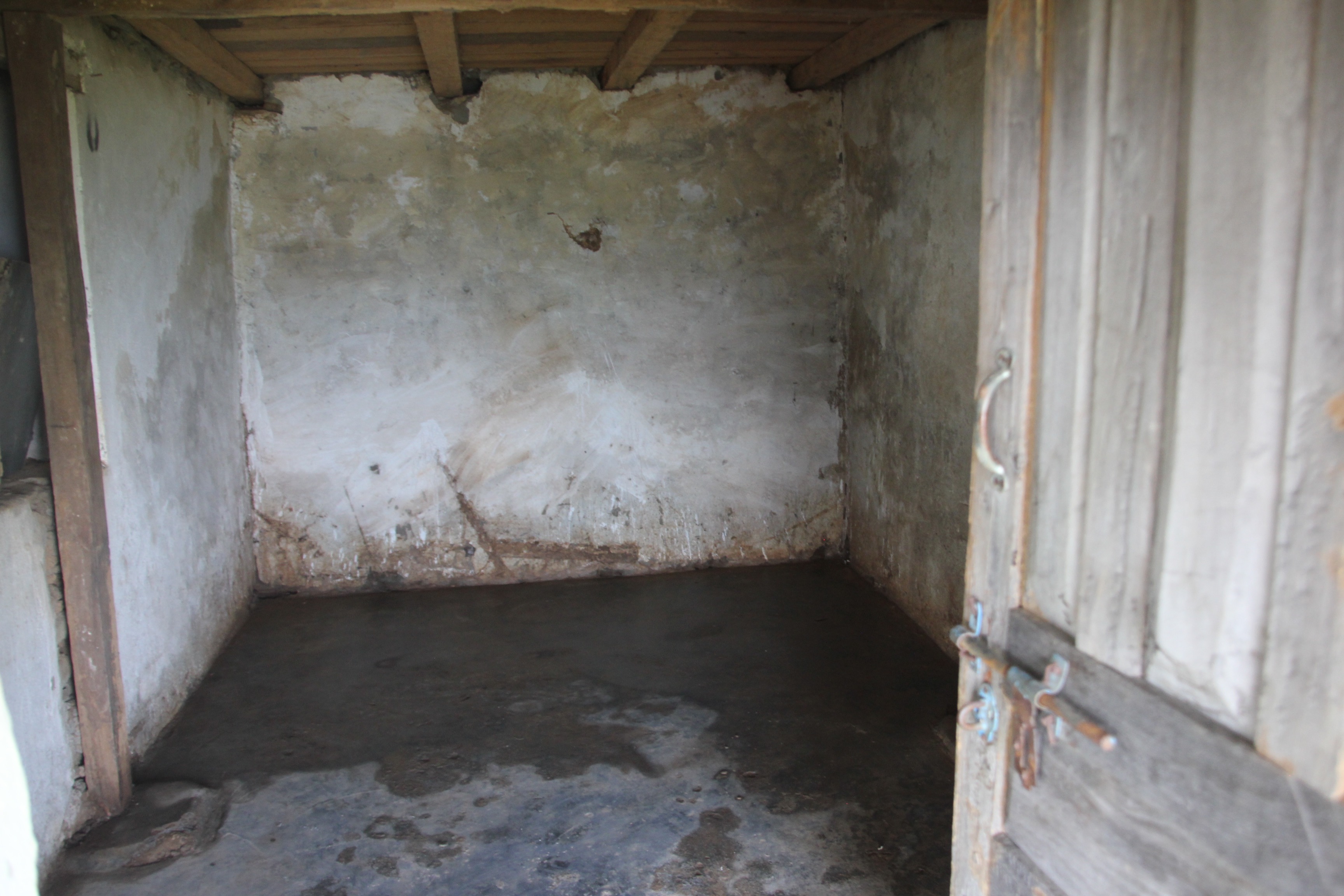
We arrived at the Health Post in Sindure at 2pm to find that, while work had been done on the clinic room, such as making sure it had a roof over the entryway, the room itself was filthy. To give you a frame of reference, here are pictures from main room of the Health Post, which sees patients regularly to distribute medicine and make referrals. Unlike our dental clinic, the Health Post is not performing surgical-type procedures—nevertheless, setting up a dental clinic with rigorous infection control is, well, basically up to us.

IMG_3231 IMG_3233


Still, there’s a reason we rely on rooms provided by the community instead of building ourselves new facilities. I’ve seen how that can be the difference between imposing new resources haphazardly, and mobilizing existing capacities to raise things to the next level first.  Then it’s a good time to push the boundary, which in this case as in many others, has not yet been approached. After all, with some sweeping and a few buckets of water and phenol, our dreary clinic room started looking a lot better.  There’s no water source at this Health Post, so Dilmaya, Neha, and the Health Post Assistant good-naturedly hauled buckets of water from a “nearby” house at least a quarter mile away.

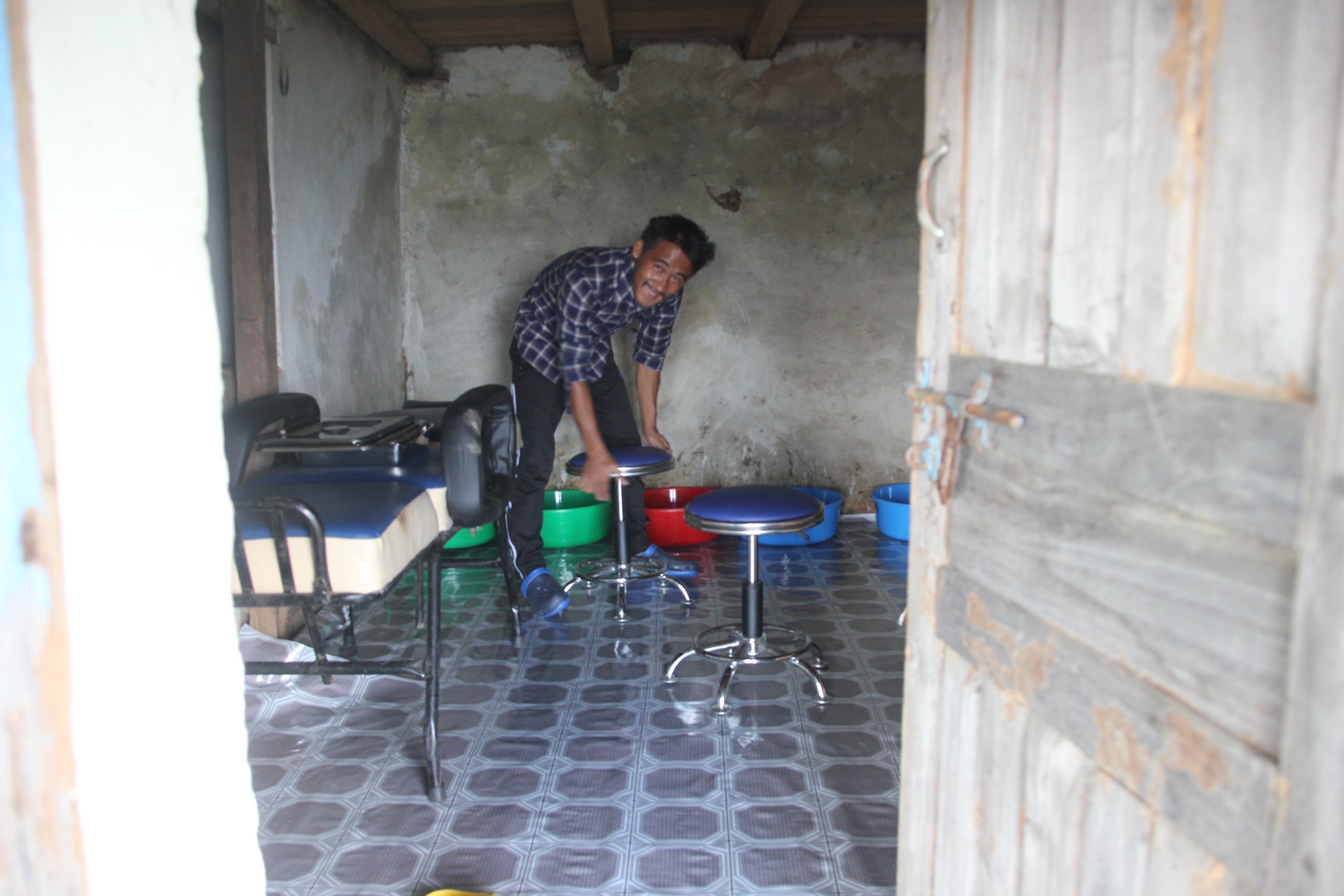
A few hours of washing, drying, and setup, and things are improving already. This room will need a nice bright coat of paint on its stained walls – we provide the paint, the team does the labor – but for now, here is JOHC Technician Jagat Dura in his new office!  And we’re not even at the best part yet.


IMG_2994IMG_3001


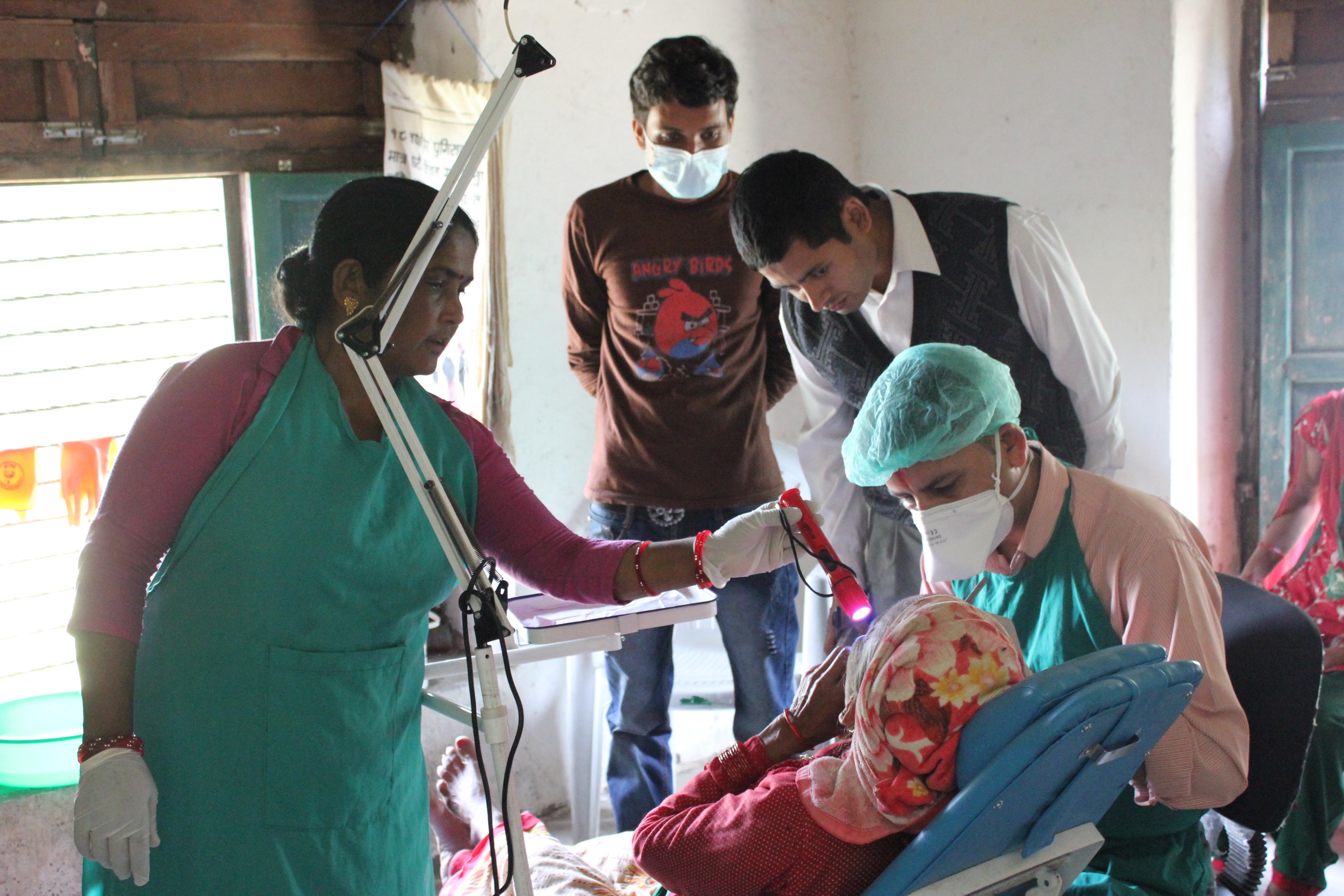
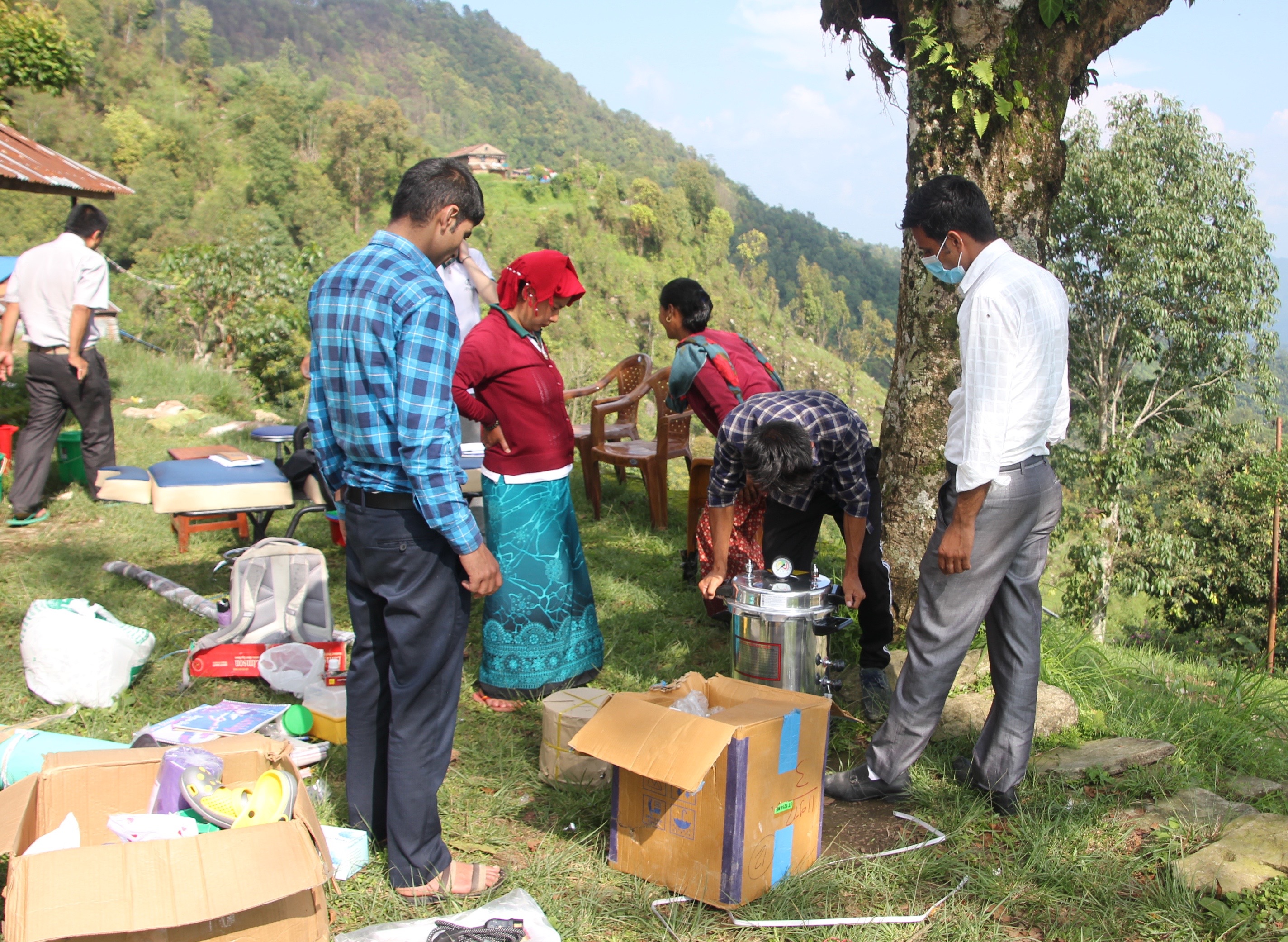
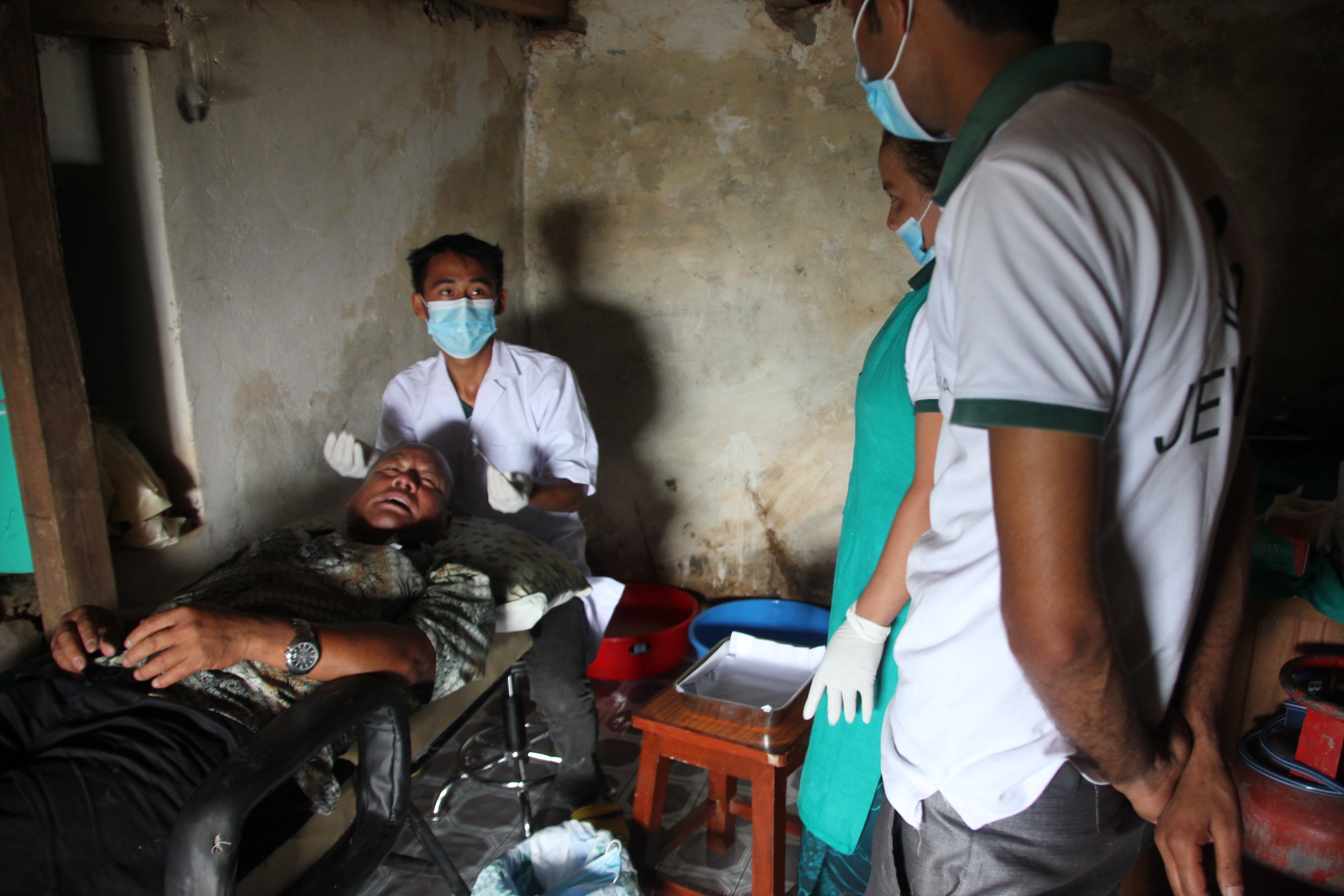
During our pre-opening day, a veteran technician and our medical field officer go over everything from top to bottom with the new technician (who’s already had weeks of training before this) and clinic assistant.  It was awesome watching Megnath Adhikari, who started with us in 2013 and now runs the Puranchaur clinic, reviewing with the new clinic team everything from how to put the top on the autoclave to how to fill out the patient forms to when to change their gloves. Our infection control protocol, when followed, is stricter than that observed by many field teams and local hospitals. The new teams always look so new and wide-eyed that it throws me off every time. To be fair, imagine if you took a few weeks of training in dental medicine, and then, say, your congressman came in and asked you to pull their tooth out?!  But then, as the months go by, inevitably these green clinical teams turn in to people like Megnath, who started out with sagging jeans and a quizzical look, too. This growth in skill and confidence, which I’ve witnessed over and over, is one of the coolest things about this program. It inspires me to believe that this is a system that could be deployed widely by the government with the right investment in training and resources.

IMG_2986

Senior technician Megnath Adhikari reviewing use of the autoclave with the Sindure team

In the evening we stayed at the home of our technician, Jagat. His mother cooked heaps of food and poured us one cup of local moonshine after the next. I was so tired I kept falling asleep and had to get out of bed for each succeeding round of dinner.  And still…the best part is yet to come.

Sindure is a predominantly Gurung area with different traditions of respect than many of the other areas where we’ve worked. The local President had spent the evening with us, and after everyone was overfed, it was time to sit around and sing for a while. I’m not a very good traditional Nepali folk singer, but I’m a decent self-taught drummer and chime-player. So, having secured an empty plastic bottle and a set of tin cups, I am confident saying my role in this process was solid, although you can’t hear it in this video cause I was filming.

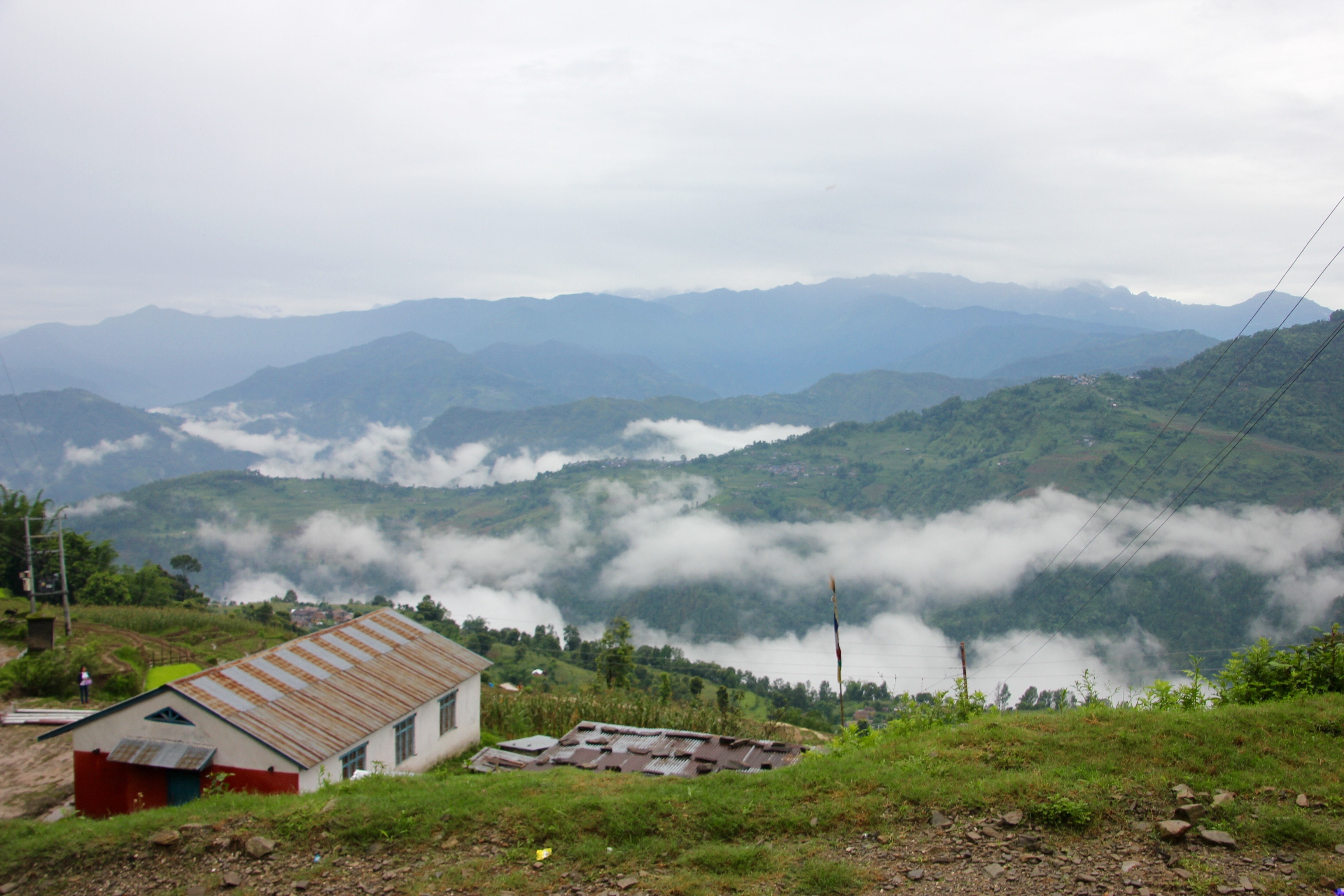
The next morning dawned in a downpour, which cleared as we made our way to the clinic for opening day. The clouds nestled down in to the hills like cotton and we climbed up over them. Sindure was too beautiful to leave out a scenic photo.

IMG_3067

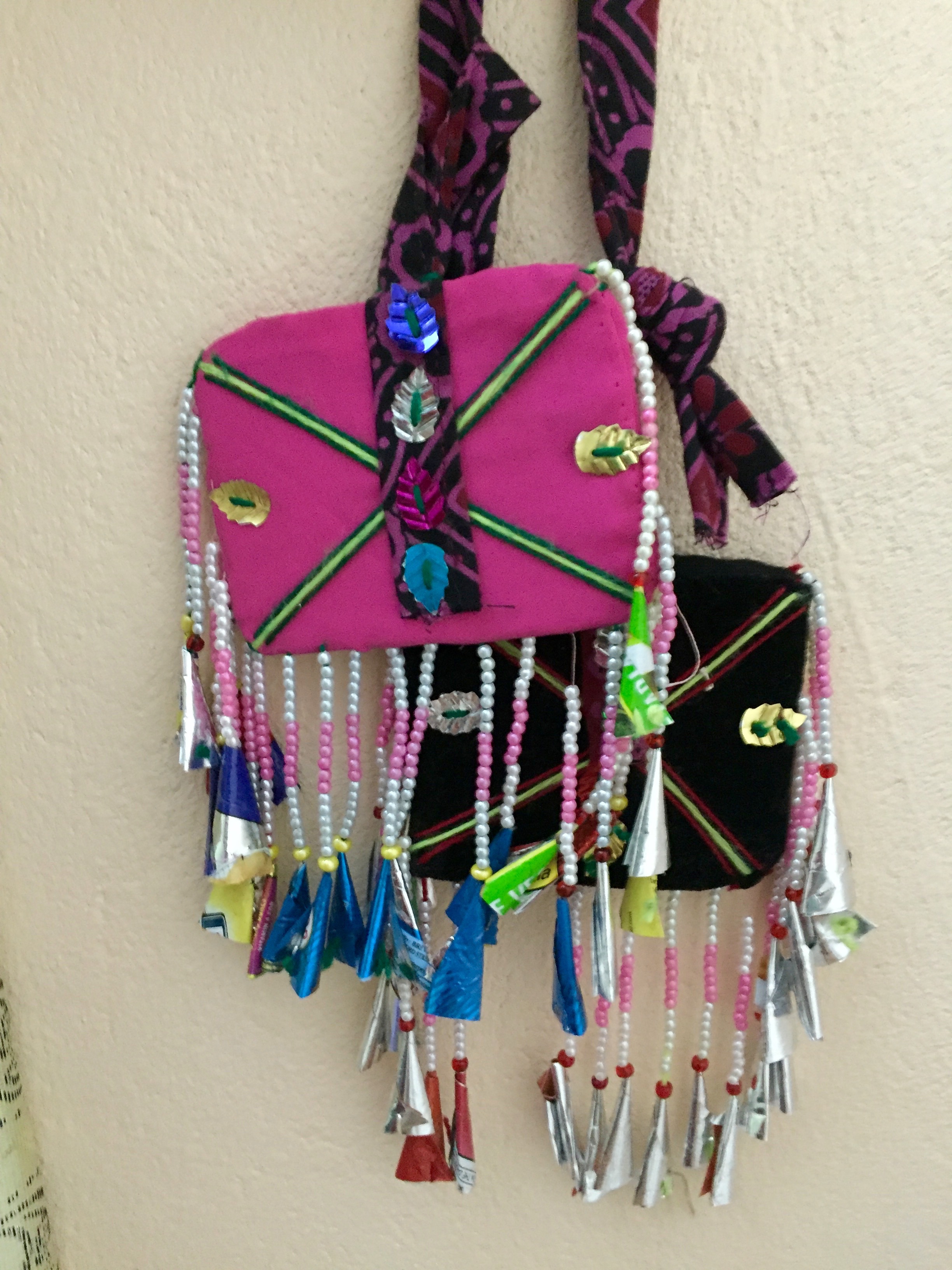
In an opening ceremony, we were each given gifts, and I received the finest one, a magnificent Gurung-style ornament made by our technician’s grandmother. These shiny dangles are made from cracker and candy wrappers! I love this thing.

IMG_8768

The door to the clinic was officially opened by the Singing President, who had apparently recovered from last night’s revelry and lay down honorably as the first patient.  Jagat performed his inaugural checkup, supervisor standing by, with a crowd peering in the door and looking very enthusiastic about this whole thing.  Who knew dentistry could be this entertaining?!  And we’re still not at the best part yet.

IMG_3107

IMG_3117


Now then…nothing like showing off your new filling!

IMG_3220


It is currently the busy rice planting season, which is about the worst time of year to open a dental clinic because everybody is in their fields. Nevertheless, we had a pretty solid attendance from a fleet of Female Community Health Volunteers (official women’s health workers trained by the government) and some other folks here and there.

We plucked various people off the road, such as one man walking by on his way to plant rice. All in all, the new clinic was inaugurated with about 25 patients, with Megnath carefully supervising the new team, and seeing that was especially gratifying.

As our day was coming to an end, I happened to look up at the sky. And for only the second time in my life – the first time being on the sacred day thirteen after Mary passed away – I saw the following sight:

IMG_3194

Look! I cried, look! Everyone turned their faces up and let out a collective breath of delight. I ran over to a clear patch of ground to try to get a picture, but my camera was having trouble focusing while pointed directly in to the sun.

“It looks just like a roti!” exclaimed the man who had stopped by on his way to plant rice.

Now then, my mind chirped, this must happen a lot. Weather patterns are repetitive; I mean, I know where to find all the rainbows in Kaskikot, and in what sort of light. It’s so predictable that I’ve usually climbed a hill and pointed my camera already by the time a rainbow is emerging. Still, I consigned, how lucky for me to receive this lovely gift today in a brand new place.

“Do you see this kind of rainbow often?” I casually asked the man who had stopped by on his way to plant rice. To confirm my suspicions.

“I see rainbows all the time,” he said, “bent sideways like this. But I’ve never seen this kind of round rainbow in my life!”

I clicked and clicked in to the sun, and the shutter went off only one time. Almost immediately, the clouds moved back in and the wonderful roti faded away.

Later that night, after a long, bouncy and exhausting ride home, back in bed in Pokhara, I lay in the dark and pulled the photo up on my phone. I turned it this way and that, looking for something. I kept thinking of Mary saying trying to show me the big hand in the sky, and how I couldn’t find a thing until much later. I zoomed the photo in and out and scoured for clues. Then, tired and lonely for her, I held the phone back and sighed. And there, right where I couldn’t miss it, was a perfect Buddha, the sun shining from its heart.

Once I saw it, I couldn’t not see it.


As a little extra flourish, an unmistakable smiley face, etched off to the right hand side, grinned at me as if to say: how obvious do you want me to get, you little shit? I clicked my phone off and fell asleep with it lying near me on the bed.

Welcome to Sindure, world.

*

A Life of Love

A Life of Love

Waiting Out Rain


I’ve just arrived in Nepal, and the dust and diesel is shining on the streets of Kathmandu, stilled by summer rain.  Honestly for a whole decade I didn’t want to be here during the hot and buggy monsoon, but last summer I discovered that of course, like any season, the rainy time has a unique and indispensible magic.  The water clatters and pounds, washing everything and making us wait.  It comes down too hard to walk around or do anything.

Just wait.

It’s strange to re-enter this season which was so intense last year, when I arrived to a stunned and grieving city dotted with blue and yellow tents.  It seems that this country has basically just plugged on, absorbing the earthquake on to its pile of other messes, the unlucky people who lost the most – possessions, limbs, relatives – doing what people do: surviving.  The next day just keeps coming, and for anyone whose life wasn’t irreparably altered, that catastrophe isn’t the topic of conversation any more.

Things for me, however, have changed a lot.  When the earthquake threw us in to the ring with the big multinational agencies, it helped show our tiny staff the value of our community-level expertise.  This spring we launched our dental project in Lamjung district where we did earthquake relief.  

In the fall I also started a Master’s Degree in social work, and I’ve been able to incorporate a lot of what I’m learning in to our program right away.  Guys, seriously, a lot of this stuff I’ve been trying to explain has an entire body of theory and practice associated with it called human rights!  People are doing rights-based health care at the United Nations!  I found out I am basically an expert on rights-based dental health care in rural Nepal…WHO KNEW?!  (Who becomes an expert in that by accident?)

Ok, just wait.

Also, a few years ago, we thought we should do some baseline surveys in our villages.  Not too focused on the concept of sample sets, we thought we’d survey ALL the households…3,374 of them distributed over various hills and more hills, actually.  Because as long as you’re doing it, do it, right?  I wrote a survey with input from various people, we trained some high school students as surveyors, and just last week – 2 years later – we completed a 58-page report on this survey (thanks, Sarah Diamond!).  Come to find out there’s very little current research of this kind in Nepal, and this report is a thing.  I am taking it around like my visiting cousin and introducing it to everyone.  Here is a picture of our report.  Let’s call her Cousin Mae.  She’s in color, with pie charts and clones and everything.
FullSizeRender-2
All this has come together in a very cool way.  Over the course of this year, three major U.S. Universities have developed a potential interest in partnering with us for research or medical collaboration.  It feels awesome!

So with all that in mind, this summer, I’ll be doing a few things:

  1. Visiting each of our ten clinic locations (past and present).
  2. Establishing a Rural Dentistry Coalition in Nepal to advocate for policy level recognition of our model, so that rural dental clinics can be established systemically for all villages through the national health care system (eventually).
  3. Laying groundwork for future research partnerships (hey, positive thinking!)
  4. Revisiting some of the places we did earthquake relief  (unforgettable)
  5. Planting rice with Aamaa and getting myself in to as many embarrassing situations as possible (inevitable, really).

IMG_6059 (1)

I am very ready for all of this following knee surgery in February.  At physical therapy, I do a warm-up each day where I put the treadmill on “maximum incline” of about 20 degrees and walk for 10 minutes.  Yay!  Now I am here and our newly launched Sindure Clinic is reached by a 5 hour hike.  That means physical therapy + dental clinic supervision at the same time.  This is not a deal you can find just anywhere, people.  Take note.  It’s not even a limited-time offer.

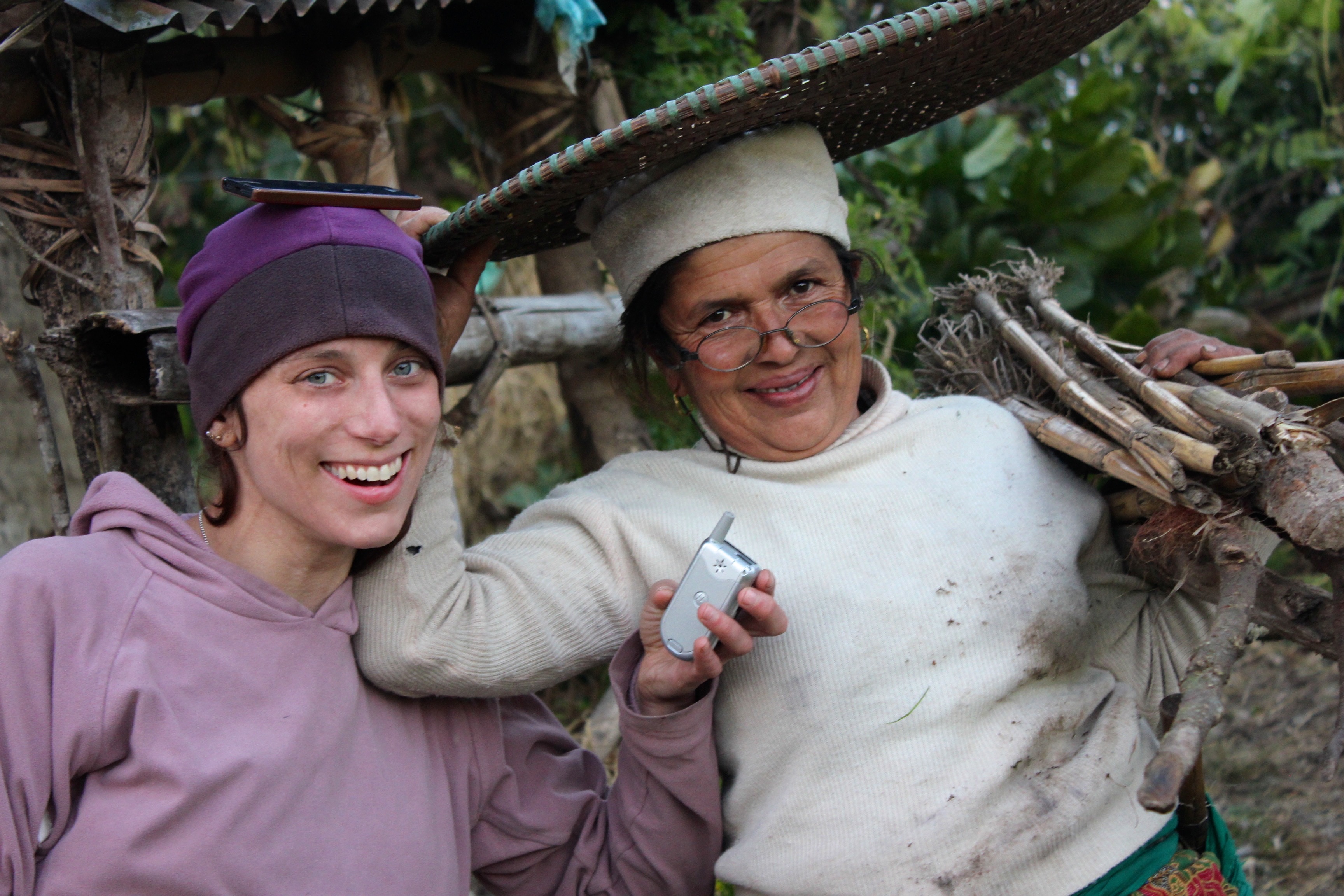
I’ll sign off with a few lines from a recent article in the Guardian that I really appreciated.  It can be very hard to stay motivated doing this this kind of thing, even though it’s true I sometimes get to pretend my iPhone is a grain-sifting woven pan and put it on my head, and we can reliably say it’s not a cubicle job.  But the pervasive story of the American (Social) Entrepreneur is hard to see past, with its celebration of saviorism, speed, and simplicity…as if there’s an equation to solve or a prize at the end.  But society doesn’t work that way, and often building things is just hard work.  You only stick out when you screw up; most of your ideas are 78% wrong the first 8 times, but there’s something good in there; when you disappear, that means it’s working.  If being humbled isn’t exalting, you’re in the wrong business.  I decided to tape this bit up on my door:

“I understand the attraction of working outside of the US. But don’t go because you’ve fallen in love with solvability. Go because you’ve fallen in love with complexity. Don’t go because you want to do something virtuous. Go because you want to do something difficult. Don’t go because you want to talk. Go because you want to listen.”

And then…just wait.

*

IMG_6334

Memorable Trips


It has been six months since our post-earthquake housing projects in Archalbot and Bharte. We’re launching dental programs in or near these areas in 2016, so today Aamod needed to visit the Lamjung District government offices in Beshishar to get signatures that are required complete agreements in our new sites.  Yes, this sort of thing must be done in person in Nepal, not by fax or email or any other method, so Aamod has to travel 3 hours from Pokhara to Besishahar to get the signatures.  We decided that Dilmaya and I would accompany him to Lamjung and get out a few kilometers before Besishahar to visit The Bamboo Village in Archalbot. We wanted to see how everyone was were doing, and we also had to decide what to do about the earth bag house that didn’t get finished over the summer.

12540744_10153467334264087_2380862383026066020_n

Three good looking people suffed in to two front seats in a van to Lamung

We decided to go with local transportation.

There is a fuel shortage right now due to strikes along the Indian border, so prices for gas have skyrocketed, and most regular people are getting their cooking fuel on the black market. Transport has compensated by raising prices, by running fewer buses and taxis, and, obviously, by stuffing even more people in to the same number of car seats.

I took tons of photos last summer when Archalbot was building, so today we brought prints to give back people. I highly recommend this practice – it’s always much appreciated because until cell phones, most people had very few photos of themselves. Even now, sorting photos is always An Event. Older people will people examine each thing in the photo in great detail – the buffalo, the way their sari is tussled, the water pot in the background – and will ask questions like, “Only one of my sons is in this photo. Where is the other one?”

The first house we arrived at belongs to one of the last houses we helped with.  Last June there were about ten people with a few babies living in the tiny house hidden behind the clothes line.  Now they are still living in their new house and it looks great.

IMG_1893 IMG_1897


While we were talking with this family, people from Archalbot started to notice us and come shouting excitedly down the road.  Remember Uttam’s sister in law, and the day she and her husband left to go cut bamboo after much cajoling?  She came bouncing down the hill shouting out to Dilmaya and me.

IMG_1901

The next house we came to was Uttam’s family – I admit this house is tied with the Golden Cottage for my favorite of all 150+ houses we helped with after the earthquake. I was thrilled to discover that, while living in the shelter they built last summer, Uttam and his brothers rebuilt houses on their own land. Just four days before we arrived, they had relocated the tin roof we provided on to their new stone house, which has yet to be completed and plastered. What a fantastic example of everyone pitching in the thing they have, and of the dignified resiliency that is so characteristic of Nepali people.

IMG_0555

July 2015

IMG_9440

June 2015


Uttam's family recently moved their shelter tin on to this new permanent house.

Jan 2016 – Uttam’s family recently moved their shelter tin on to this new permanent house.

Uttam’s older brother had also rebuilt his house – so the whole complex has moved back on to the family’s land in six months time. I was really pleased to see that the older brother’s new house is made from plastered bamboo chim – the same building style we pressed people to use when we provided roofs for the original shelters. This house is actually cheaper and far more earthquake resistant than a heavy stone house (you can see Uttam’s stone house in the background).

IMG_1936

We spent a lot of time giving people photos of themselves. This activity produced too many great moments to choose from!

This slideshow requires JavaScript.

Overall, the houses that we helped people build in Archalbot look good. In a few cases, people are living in them full-time. In many, they are sleeping in their bamboo shelters while cooking and storing belongings in their damaged houses. In a few, the shelters remain but aren’t being used, either because the family has relocated altogether or just decided not to actually stay in it. Kripa’s family used their tin to rebuild the buffalo shelter where we glamped.

Glamping, June 2015

Buffalo & Goat Hotel, Jan 2016


The earthbag house is an interesting story. Our role here was as facilitator – my friend Robin had training and materials to build one earthbag home, and we provided a connection with a community that needed a house. I documented this process last summer right up to the point we had to put the building on hold for the monsoon, with promises to return this winter.

Well here we are this winter. The family with the half-earthbag, half-bamboo house has built a pretty impressive collection of houses out of it and they are living there full time.

There are many things I have to say about the earthbag house, so I’ll write about that separately. One of the things we had to figure out on this visit was whether or not we had enough manpower in Archalbot to call Robin back with tools and supplies to finish the house….and the answer was no. So this earthbag/bamboo house will stay as it is, which is a bit frustrating, but that’s that.

After tea and snacks back at our HQ in Kripa’s house, Dilmaya and I left Archalbot and walked back down to Bote Orar. We crossed the bridge that has replaced the one with a loose cable that held us up in the muddy road with a ton of corrugated tin for an hour and a half last summer. We got ourselves some knockoff Redbull in homage to the gallons of knockoff Redbull that kept us going during those hot months.

Aamod came reeling down the road from Besishahar and we clambored in to another crowded, swervy van. As the day became later we and switched to a bus in Dhumre, we settled in for the last two hours of our journey.

Yes, this is where it happens.  The inevitable road travel story.

As it turned out, somewhere up the road people were striking because an accident had struck someone in the road yesterday. There was a blockade that went for miles.

When we reached the blockade it was already dark out.  Our choices were to either wait it out until some undetermined time in the bus, or to start walking.  So we got out of the bus and set out past the endless line of stopped vehicles, some with people in them waiting for the 100% unpredictable hour or day that the blockade would be opened. The highway wound its way alternately through small towns and the middle of nowhere. We were still over an hour’s car ride from Pokhara.

There were still motorbikes coming by, so we made a plan to divide up.  Dilmaya and I hopped on the back of the first bike that could fit both of us, and rode it up to the mouth of the traffic jam. We waited there until Aamod caught up behind us half an hour later on another bike, and then we walked the last half mile or so to where people where crowded around the usual tires and logs blocking the road.  Behind the blockage was a group of women was sitting in on the pavement, not talking much. Some were fiddling on their phones. It occurred to me that they had probably just lost a family member or close community member on this stretch of road just 24 hours earlier – a strange contrast to the miles and miles of hassle that stretched out from either side of their circle.

Now we started past cars lined up in the opposite direction. Just to be clear: we were not a walkable distance from home.  Even by Nepali standards.

All of a sudden a jeep began rolling out past the innermost barriers of the blockade, headed in the direction we needed to go.  I turned around and saw it was an ambulance.

We sprung in to action. Aamod stopped the jeep and spoke with the driver who, understandably, told us that he could not let us hitch a ride in an ambulance. Aamod got on the phone with his brother in law, who is a doctor, and I stalled by keeping one arm in the rolled down window of the ambulance and talking to the drivers in Nepali.

“Sir, what ever shall we do? It’s quite cold out. We can’t possibly sleep here in the road.”

“I don’t know what to tell you- I’m not allowed to take people in an ambulance.”

“I see I see, but this is an unusual circumstance….” Etc.

I keep at this until Aamod has his brother in law on the phone, which he hands to the ambulance driver. Who then opens the back of the ambulance – and in we go.

And thus our day ends with us bouncing along in the back of this ambulance back to Pokhara. At one point, we drive through a checkpoint, and I lie down with my arm over my face, feeling slightly guilty, while Dilmaya sits next to me looking concerned and wearing a surgical mask that she has with her for general dusty road travel purposes. We roll through the checkpoint.

“Can I get up now?”

“Lie down! Not yet.”

It’s 9pm when we get to Pokhara; the ambulance driver amicably drops me off within walking distance from our office.

As Dilmaya, who was my partner in crime for the entire two-month adventure of our post-earthquake housing extravaganza, said: “Laura miss, our road trips are always very memorable.”

Oh, and one other thing – remember how the point of this trip was that Aamod was going to get papers signed by the district officials in Besishahar?

Yeah, well, there was some kind of meeting today and all the government employees were out of the office. So we have to go back to Besishahar for the signatures again.

*

12524004_10153467352629087_6525138070658968485_n

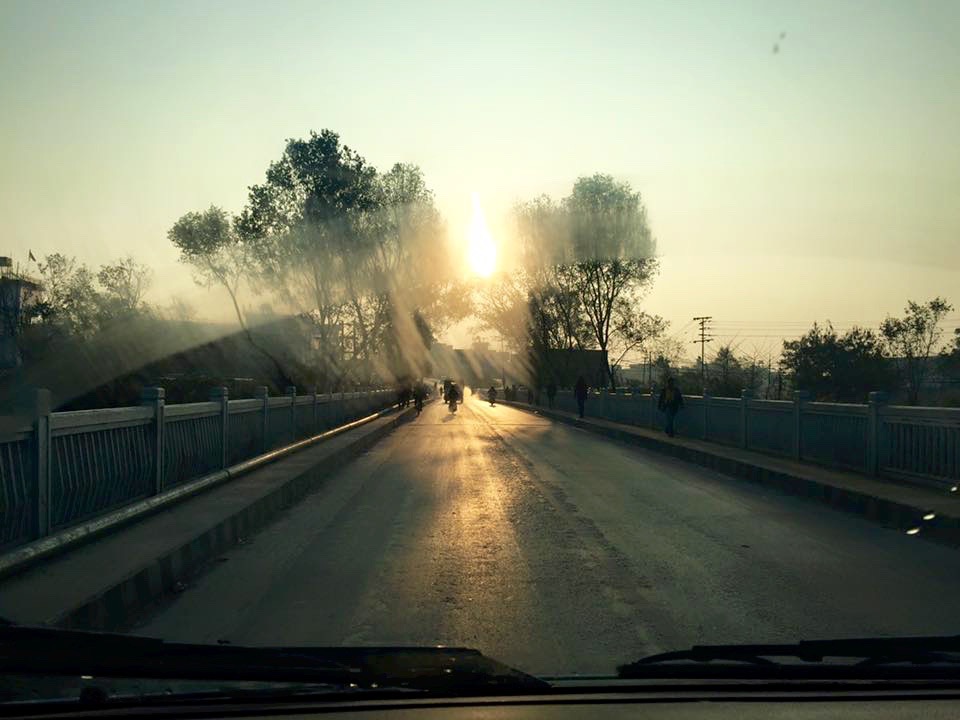
The early morning road from Pokhara to Besishahar


Puranchaur Clinic


Today I made my first visit to our clinic in Puranchaur, which launched a year ago in winter 2015. We rode motorbikes – I hopped on one with our program director Aamod, and I stuck my friend Freeman on the back of the other bike with our field officer Gaurab. Freeman lived in rural Afghanistan for two years and his training involved things like “how to drive through a blockade,” so I figured it would be okay.

FYI, re: riding on the back of a motorbike:

  1. Paved road –> plus side: fast / minus side: scary
  2. Rutted dirt road –> plus side: good workout, bracing / minus side: rather sore bum, dust
  3. Previously paved road that has deteriorated and broken up in to a patchy mess with some dirt packed around in it –> plus side: there’s a road, so you’re not walking / minus side: everything else

IMG_6319The way to Puranchaur comes in at a solid #3 for a vigorous 64 minute joy ride.
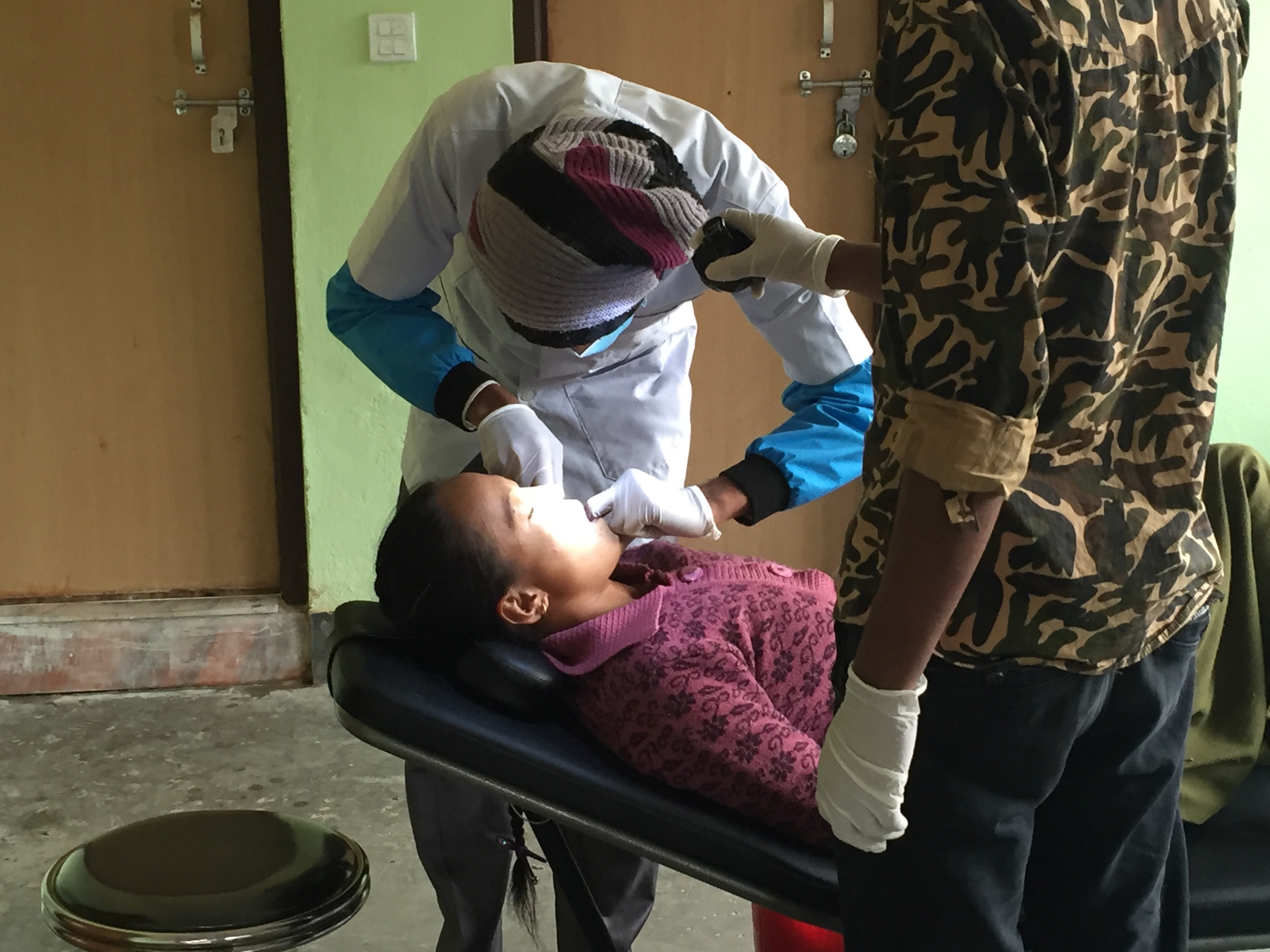
Fortunately, we were greeted at Puranchaur by the sight of a very well-built Health Post. All of our clinics are in buildings provided by the community, and where possible it is ideal if the building can be in or next to the existing government Health Post. But Health Posts aren’t usually this nice.

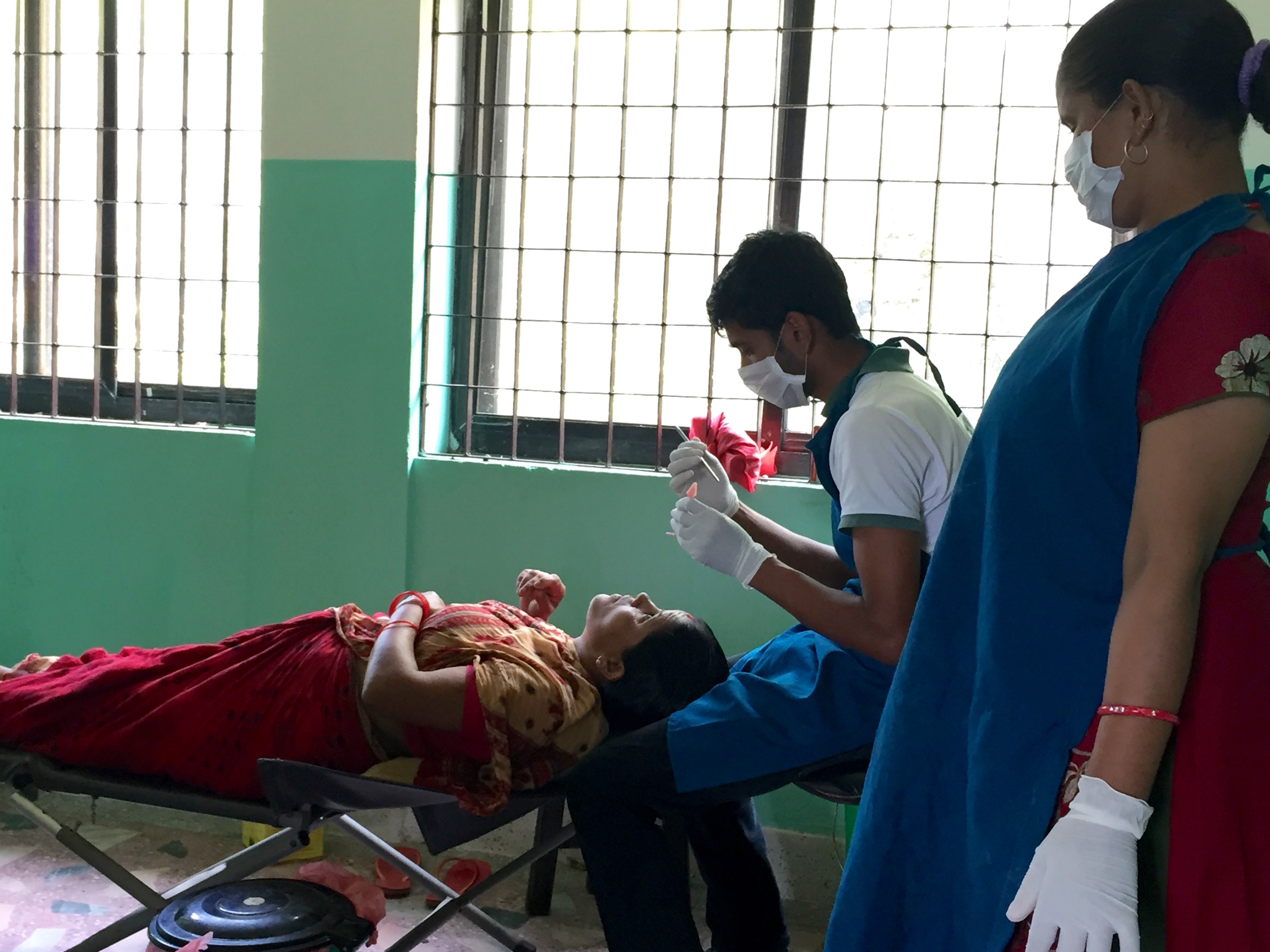
It was immediately clear that we’ve received good local support at this stage of the game in Puranchaur. There was a lively crowd of patients waiting on the balcony, and this clinic is run by one of our more experienced technicians, Megnath.

See for yourself:

We went through our supervision checklist, which includes a rigorous infection control protocol that I wrote myself by talking with dentists and rural trainers, then making modifications based on my own knowledge of the environment, because I realized that none of the existing guidelines were really adapted for these conditions. Amazingly, the only existing protocols I could get my hands on were for dental hospitals with electricity and technology – think, UV disinfection – or, alternatively, unwritten procedures used in temporary dental camps, which presume very high patient volume and the lack of any stable infrastructure. Can you believe that I could not locate a single infection control protocol designed for a permanent rural dental clinic in Nepal? 80% of Nepal’s population and nearly all the government Health Posts operate in rural conditions!

Which is why now I know more than I ever planned to about gloving and re-gloving, positioning of safety boxes, and timing of Virex disinfection, among other topics.

IMG_6304

Our rewarding visit to Puranchaur has me thinking more and more about the larger idea of our project. It’s great when we’re able to establish these services and it sure is gratifying to come all the way here, after hours and hours of sitting at a desk, meetings on Skype, researching oral health data, giving talks and raising money, and see patients coming in to a clinic in Puranchaur on a Wednesday afternoon. It’s also awesome to me that none of these people associate their clinic with me or my slideshows or any kind of charity, which is not what these services are intended to be. All that is good stuff.

On a bad day it seems like it just isn’t enough. There are so many problems here. A toothache is definitely one of the worst things in the world if it is in your mouth…but it’s not as bad as child trafficking. These clinics don’t solve problems of violence or lack of basic security or opportunity. Sometimes it seems like a lot of effort to still end up in a world that has those problems anyway.

But one thing I think we’re isolating bit by bit has to do with recouping lost opportunities for self-determination. Something our little project does increasingly well that I don’t see very often in this sector is to understand and respect the present capacities of individual people and the communities where we work on all levels. That means letting go of the UV disinfection, but it also means having a proper replacement and monitoring it. It means making services accessible, but then holding people accountable for accessing them by choice, rather than spoon feeding and disempowering everyone for our own gratification. It means that explaining to an old lady that she will not be blind if we pull her tooth out, and making the service psychologically available, is just as important as having a dental clinic that’s physically available.
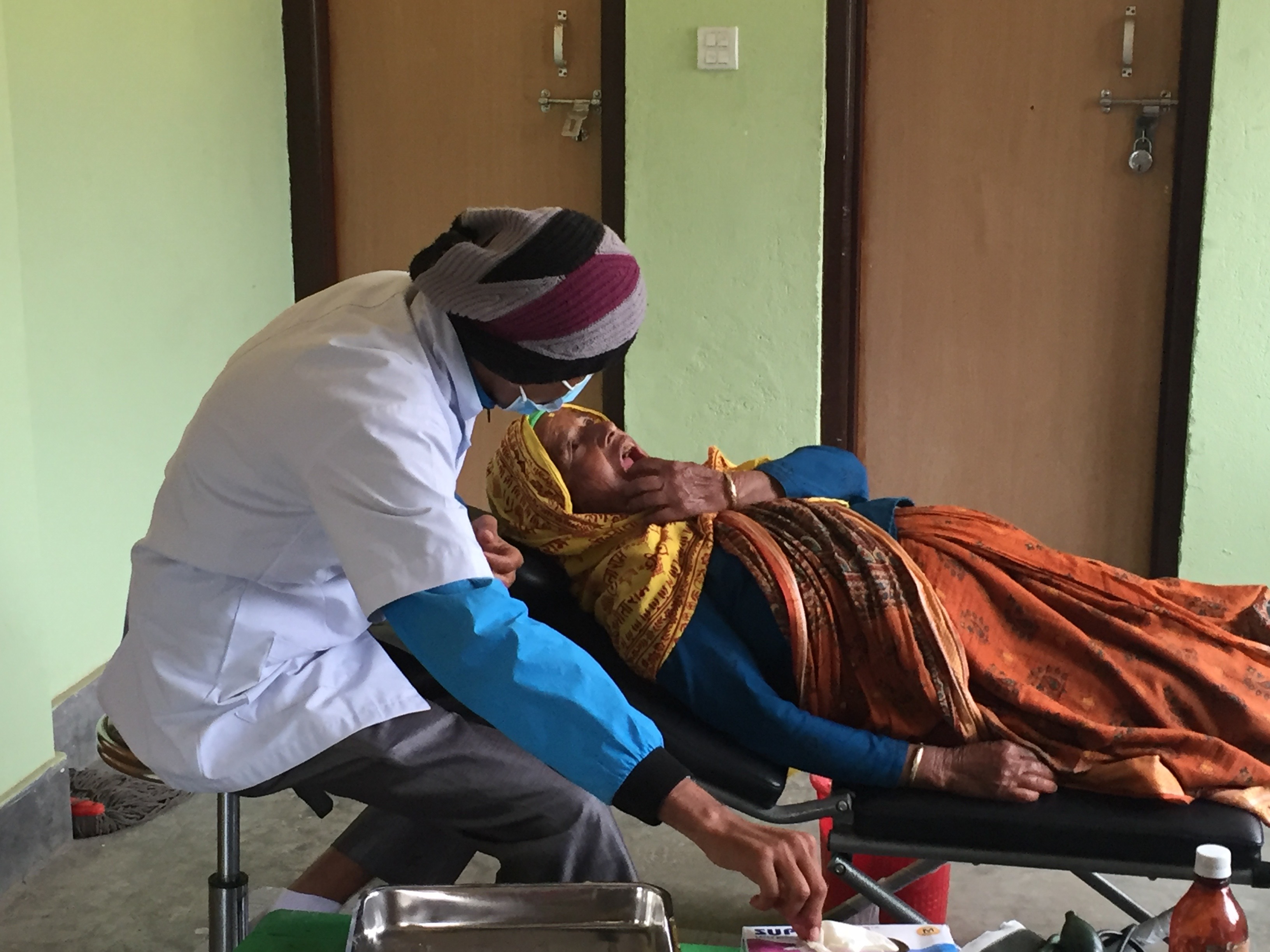
This is hard to do. It requires an unreasonable amount of patience and the willingness to constantly sort out where to impose control and where to throw everything you think is correct out the window. Inevitably, there are moments where it seems like you’re dong everything wrong and it’s all for nothing.  At some level, I think it only works if you find people as interesting and challenging and curious as the problem you are trying to address.

That’s what has me wondering what we’re really getting at here. I’ve always felt like, even with the visible services this dental project provides, for me as a person, it’s an exercise in something else I haven’t understood yet. Maybe this is just a story I tell myself after a good day, but we would live in and more dignified and peaceful world if we cared as much about actual people as we do about ideas of people.

Today, one old lady with a toothache spent a good bit of time explaining how she’d treated it by putting tobacco in there.  The tobacco helped. Megnath couldn’t extract her tooth because she had complicating heart issues that require referral to a hospital – but he had a nice long conversation with her about the tobacco, anyway.

*

IMG_6283